

Making climate risk investable
Explore lessons from our FIRST Fund climate adaptation portfolio, which harnesses climate data and financial innovation to protect the livelihoods of fisherfolk and farmers in Southeast Asia.
Latest insights
New ideas from FCDO Pioneers

By her own admission, Liz Bautista is a bit of a geek. Early in her career, she had taken supplemental courses on robotics, coding and data analytics simply because she was interested in how those technologies might supplement her interests in governance, public policy and development.

In April of 2015 Nepal was affected by a large earthquake that killed almost 9,000 people and injured around 22,000 more.

This could protect identities by replacing blurred faces with life-like avatars. The possibilities are broad. And these strands could all pull together to shift the power balance and offer victims a genuinely safe and possible route to justice.

Coca, the leaf needed to make the illegal drug cocaine, can be grown easily in most regions of Colombia. Crops like corn, soybeans and most kinds of coffee need regular sunlight, but coca is capable of thriving in the shade - but so is cocoa.

By his own admission, Matthew MacDevette began his career in the investment space thinking that finance was “a little bit evil”. Then he began working on how to get private investors into risky and impactful sectors in Africa. He began to warm to the topic.

The 2007 Dreamworks film, Bee Movie was generally regarded as a bit of a letdown, but 15 years later, it can confidently claim to have inspired one of the latest projects taken forward as part of Frontier Technology Livestreaming.
Real-time insights from the Hub
Call for consultants to help with fundraising and partnerships in the search for and identification of missing people in Mexico. Applications close on Friday 6th November 2026.

Call for Mexico-based organisations to pilot tech-enabled solutions to enhance Mexico’s OCSEA response. Applications close on 2nd November 2026.
The Hub's funding and proof of concept now allows us to unlock reshoring and localised manufacturing for organisations and companies of unlimited size.
Call for AI expertise to help teams find, build and test tools that add real value to their work. Applications close on 28th October 2026.
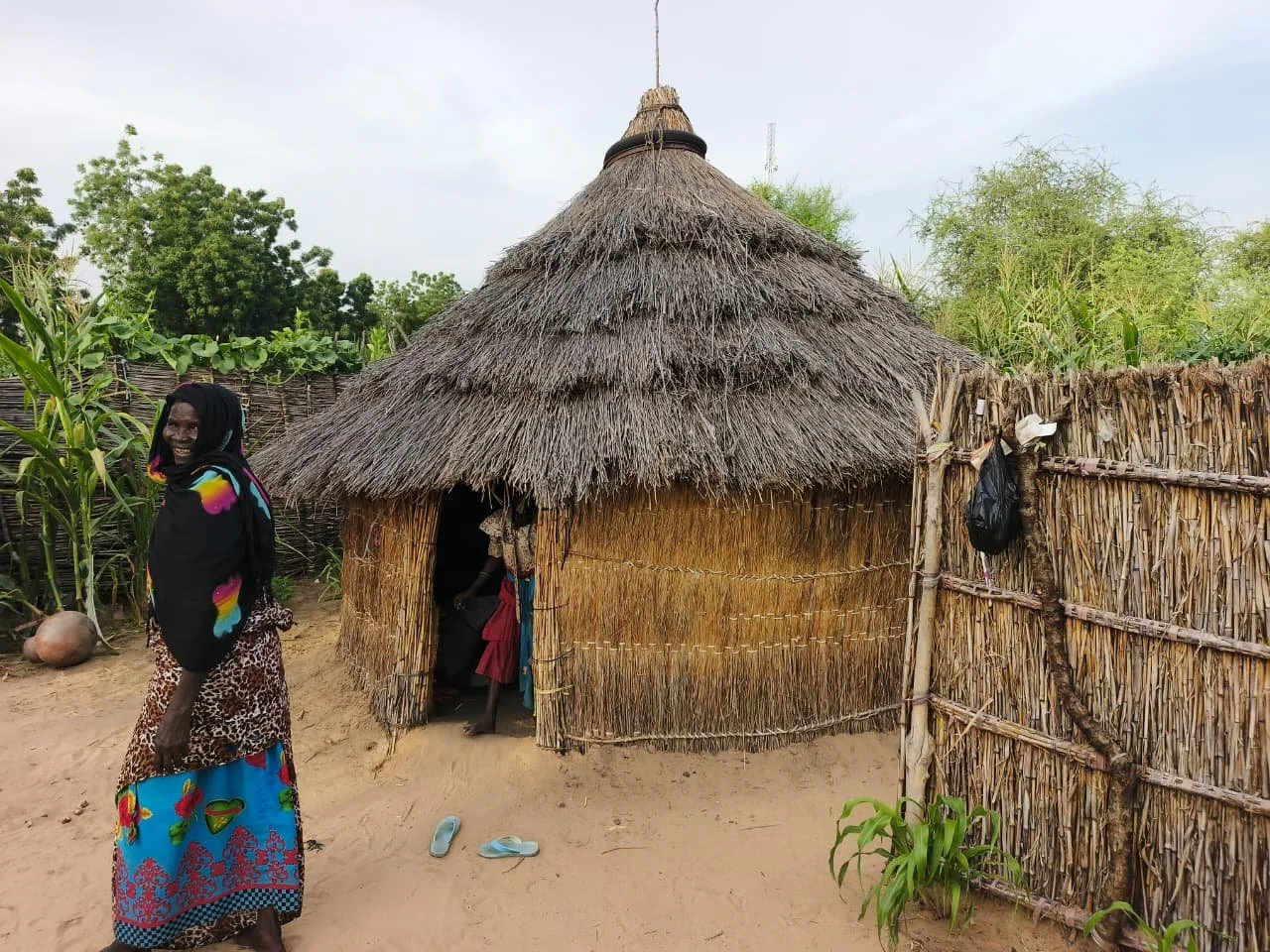
The Cool by Design pilot is exploring whether passive cooling techniques can help shape shelter that is adapted to a hotter future.
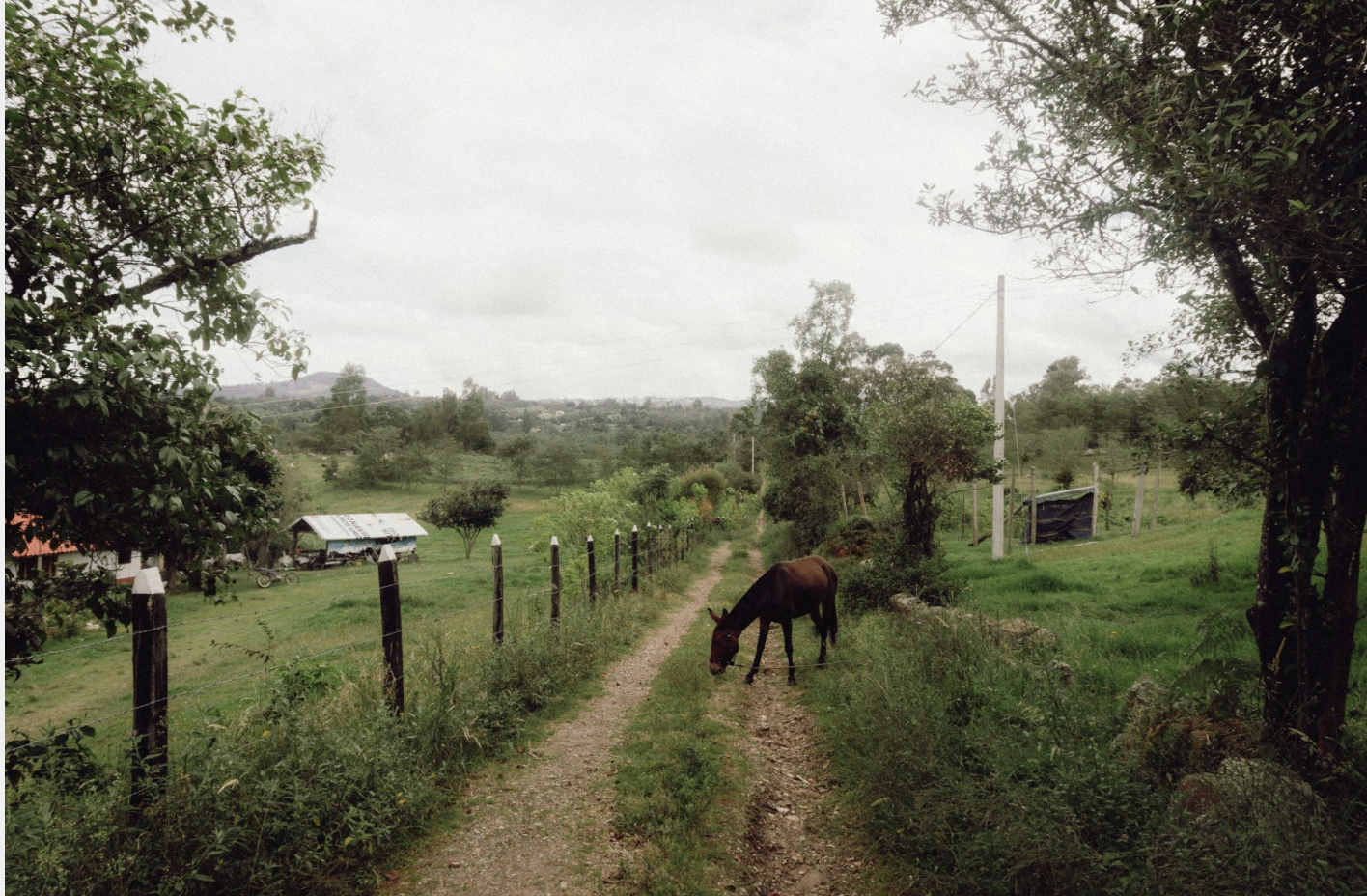
Exploring shared challenges around widening access to justice, from the courts of East Africa to the fields of Colombia.

Call for a translator and interpreter to help Mexico Safe Online work across two languages. Applications close on 16th October.
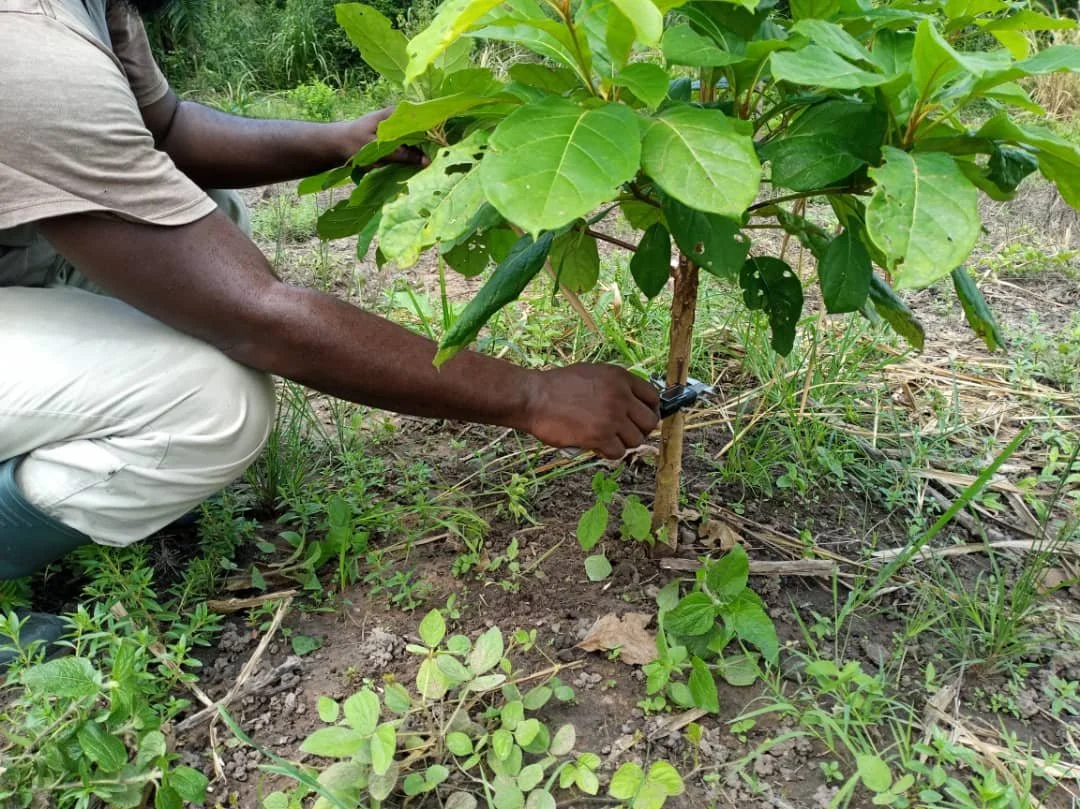
Call for Mexico-based expertise to help shape a new initiative. Applications close on 9th October.

When building a tool to improve access to justice for women in Tanzania our biggest successes came from more than just improving the AI architecture.
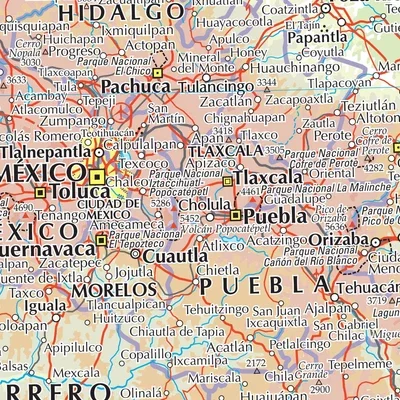
Call for Mexico-based expertise to help shape a new initiative. Applications close on 9th October.
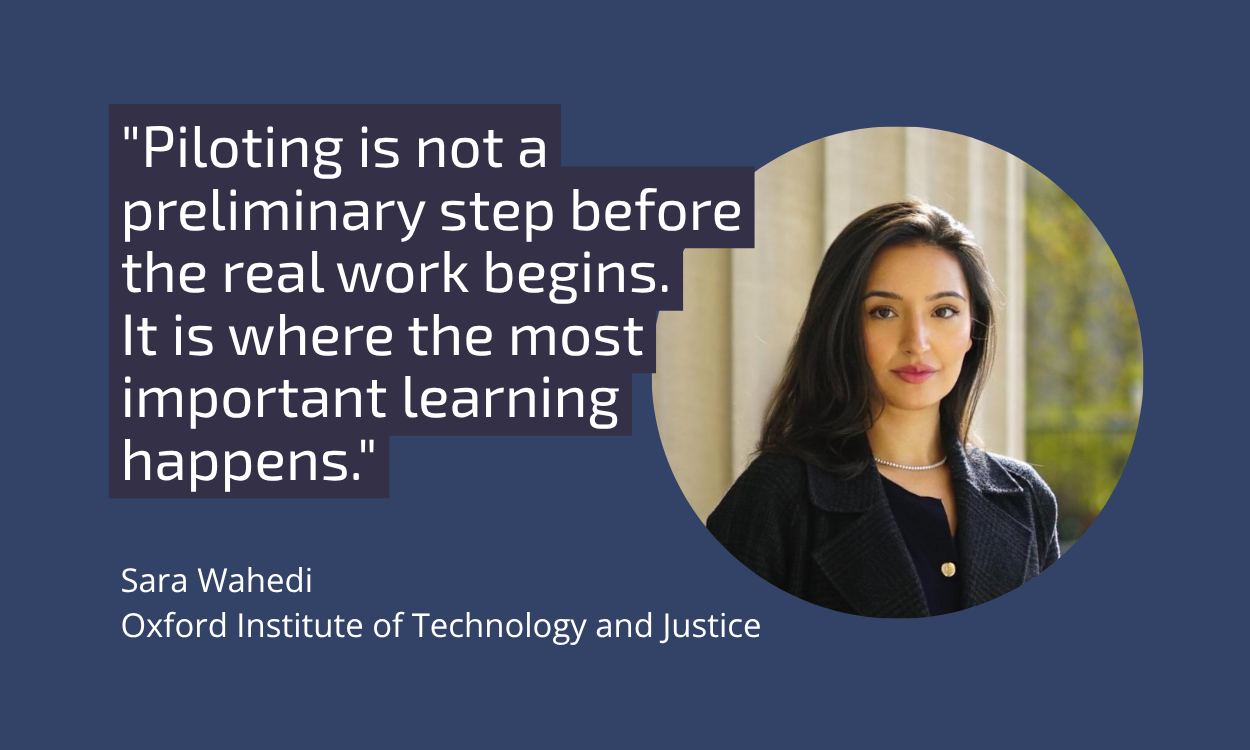
Reflecting on insights from our Access to Justice Learning Brief with Sara Wahedi at the Oxford Institute of Technology and Justice.

When a woman in Tanzania goes to the police, she will often be told that the problem she’s facing, whether it is around inheritance or gender-based violence, is a domestic issue. Therefore, it’s not something for them to intervene in. That response is legally wrong, but unless she knows that, it’s the last she’ll hear on the matter.

12 September is the International Day for South-South Cooperation. This year's theme, Solidarity Rising, rests on the observation that proven solutions already exist across the Global South, but too often they stay fragmented and hard to reach.
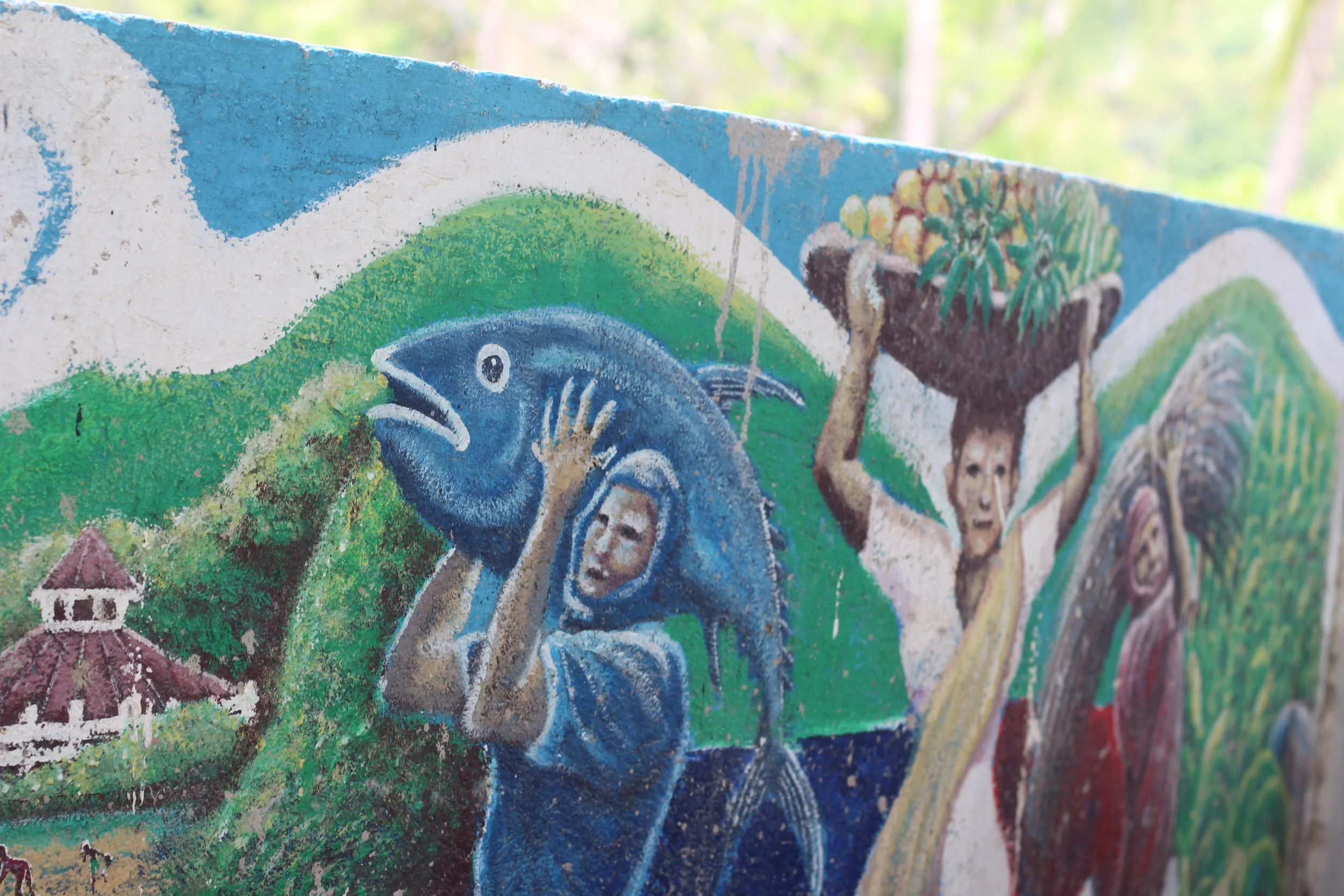
A new film and report sharing what we learned from our first climate adaptation portfolio. Can frontier technologies turn climate risk into something someone is willing to pay for?



Introducing our latest learning brief on integrating AI and other technologies to improve access to justice for survivors in low-resource and post-conflict settings
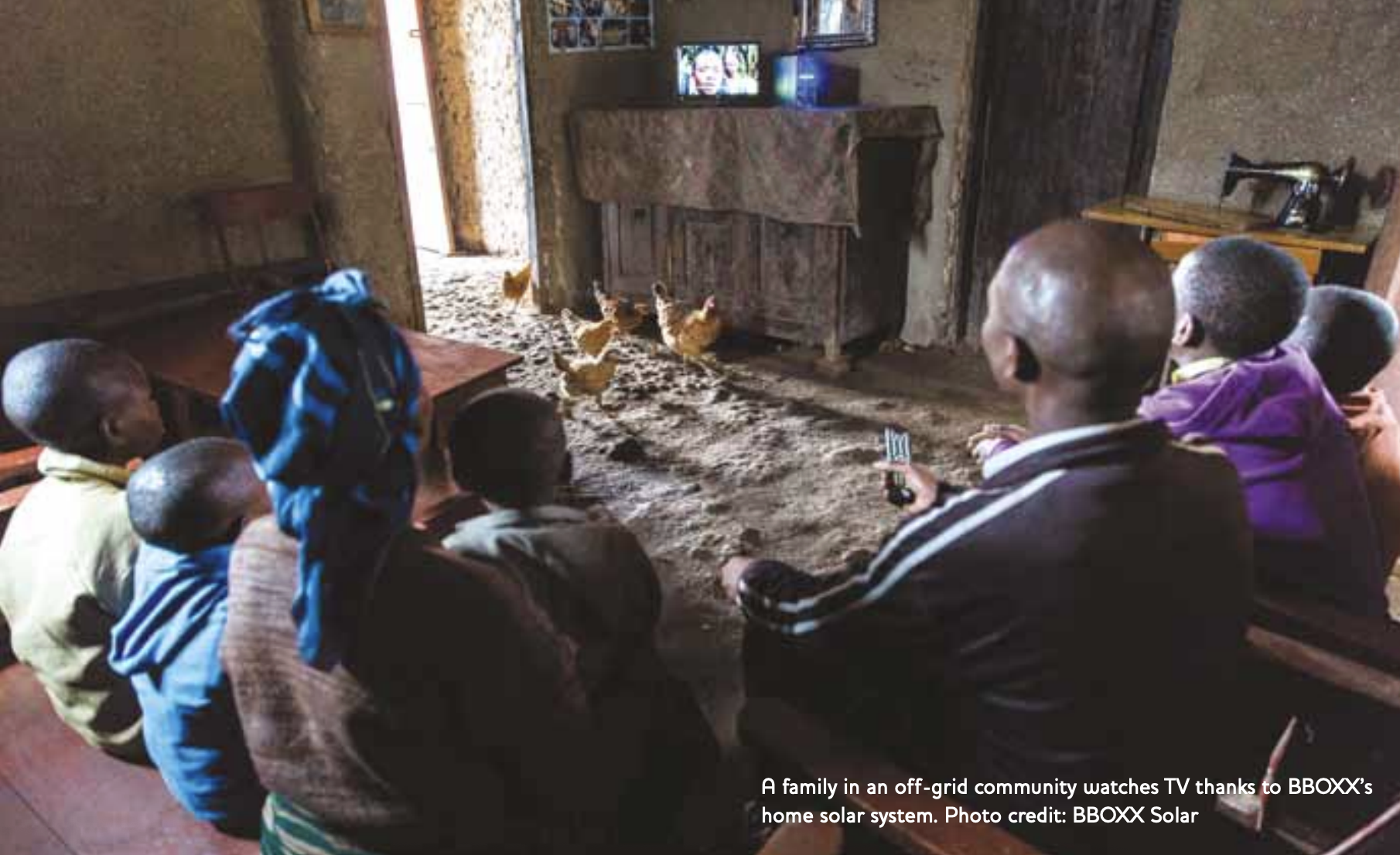
Ten years ago, tech was stuff you could pick up and drop on your toes. Now it’s often AI + X. What might AI make newly possible for people doing development in the future?
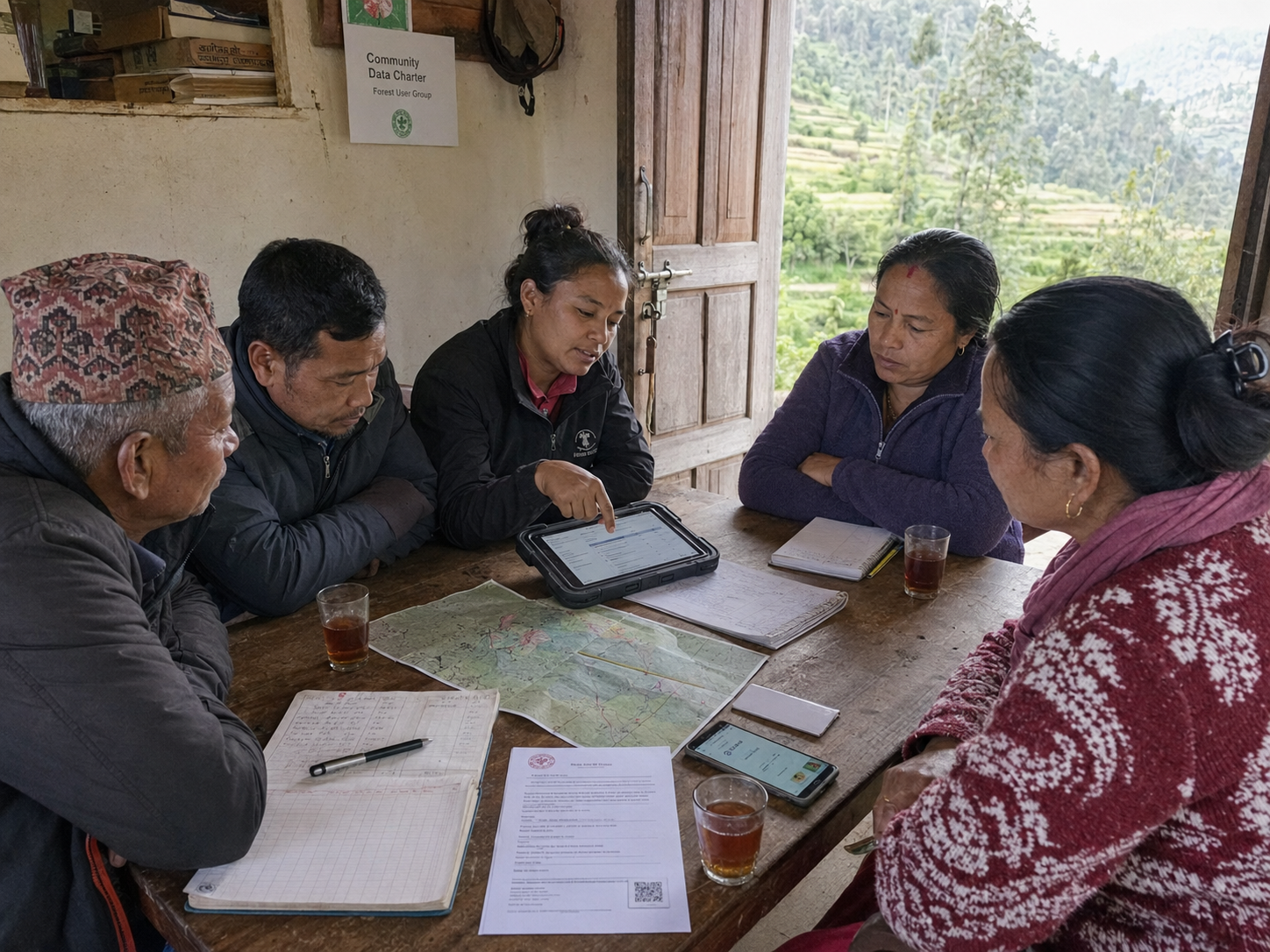
Fitting AI to real systems, building institutions that can work with it, and testing new arrangements that shift power over how it is developed and used.
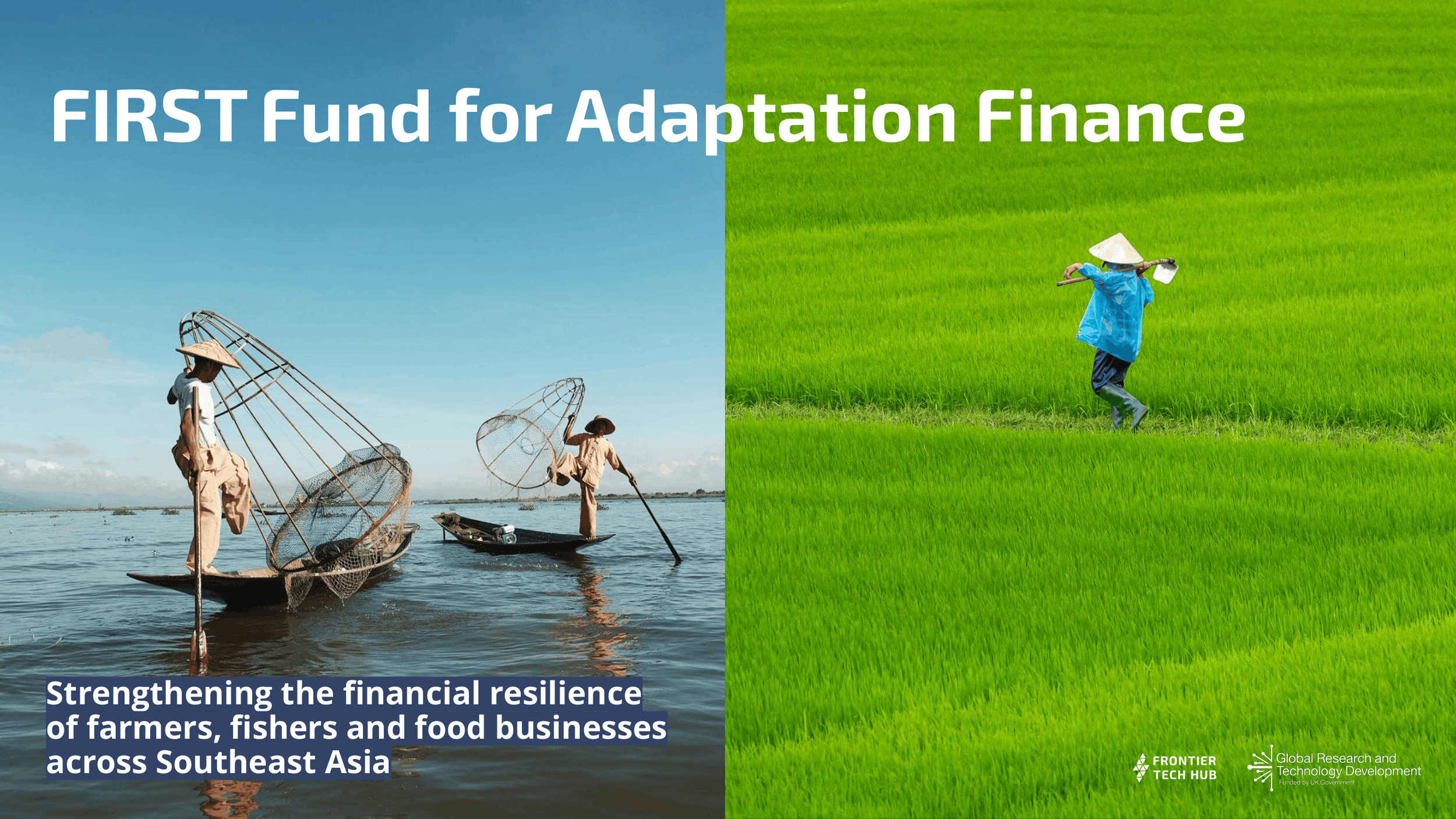
We're offering catalytic grants of £15,000 – £20,000 to help ventures and organisations with solutions to address financial resilience of farmers, fishers and food businesses across Southeast Asia.

AI is a snapshot of the past. Ten years of AI pilots taught us that the constraint is rarely the algorithm.
OASIS is a shared, open home for AI in development, where practitioners can find, discuss and build on each other's work rather than starting from scratch. Come and join us.

We explore what the next phase of adaptation finance could look like for food supply chains exposed to climate shocks.
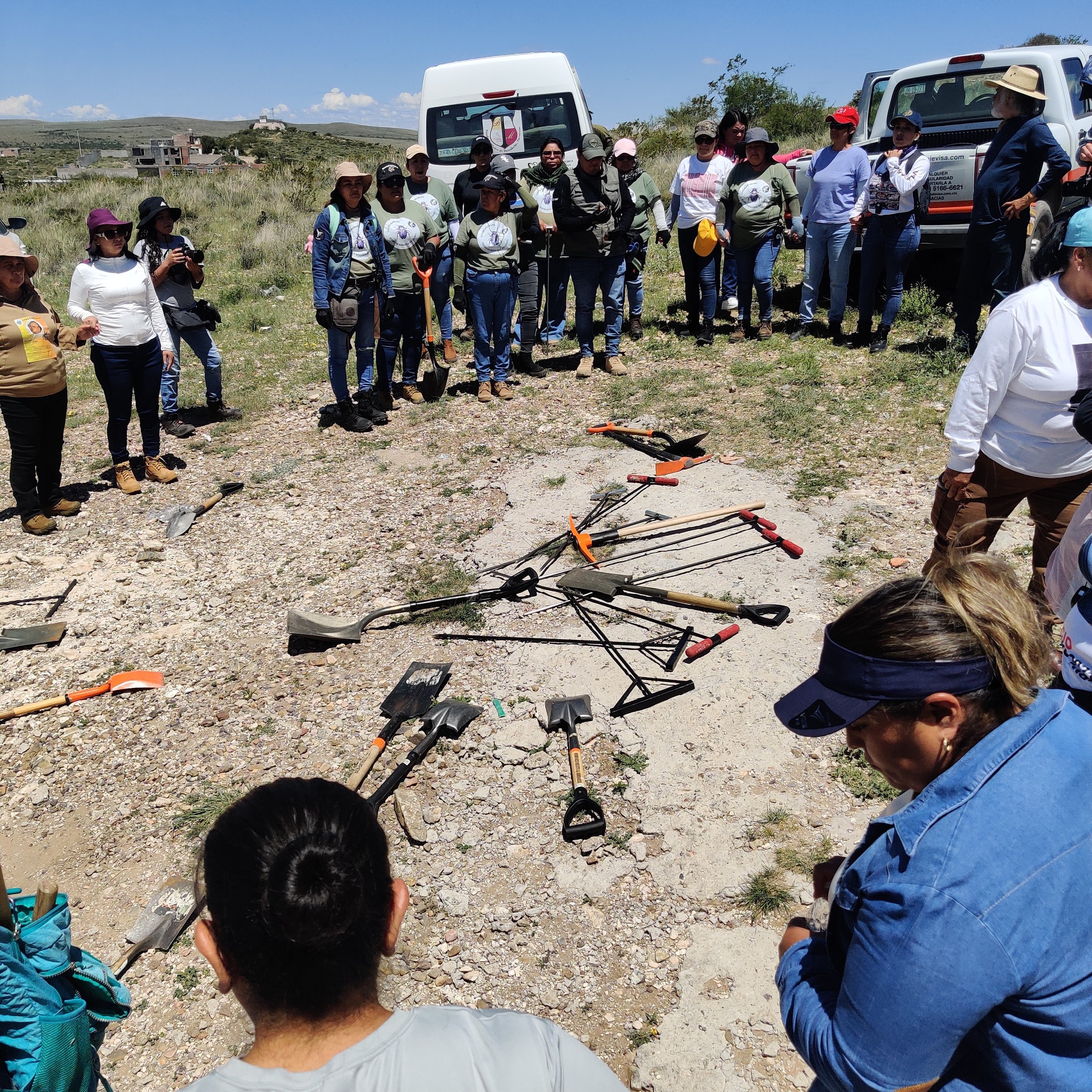
What does ethical action look like when humanitarian crises intersect with rapidly advancing technologies? Eight ethical lessons from the frontier of forensic technologies.
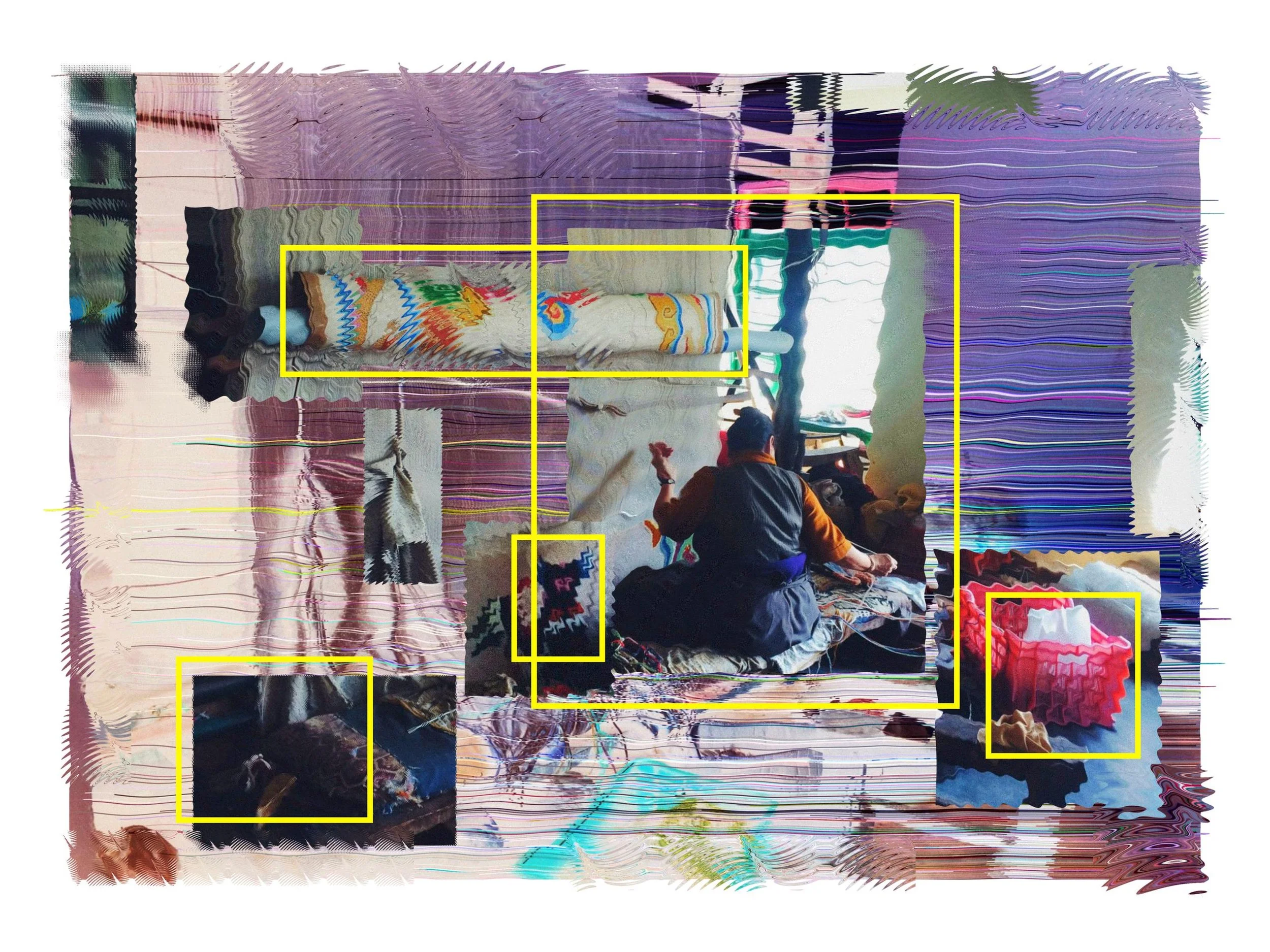
The value of testing something imperfect often outweighs the cost of not testing it at all.
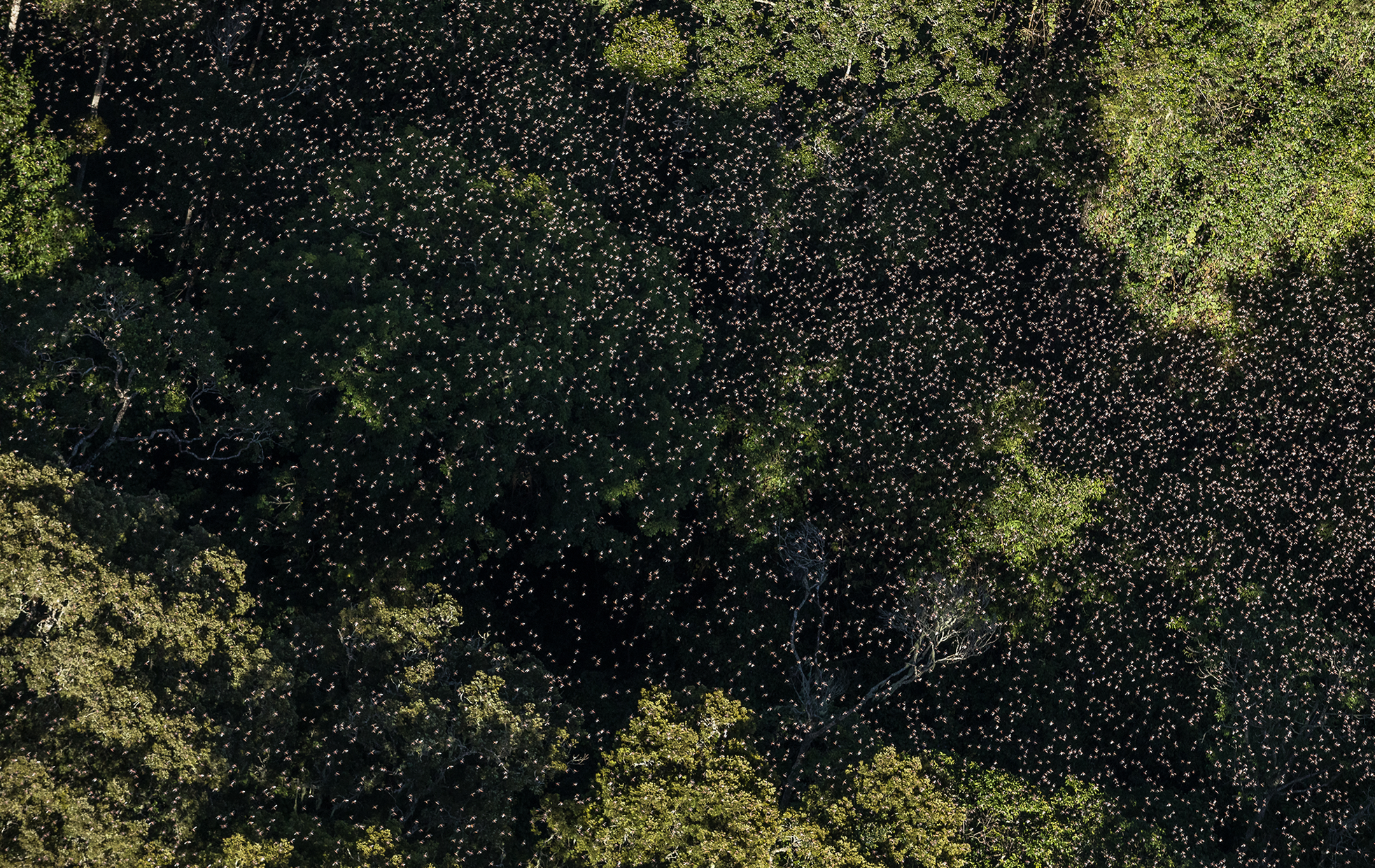
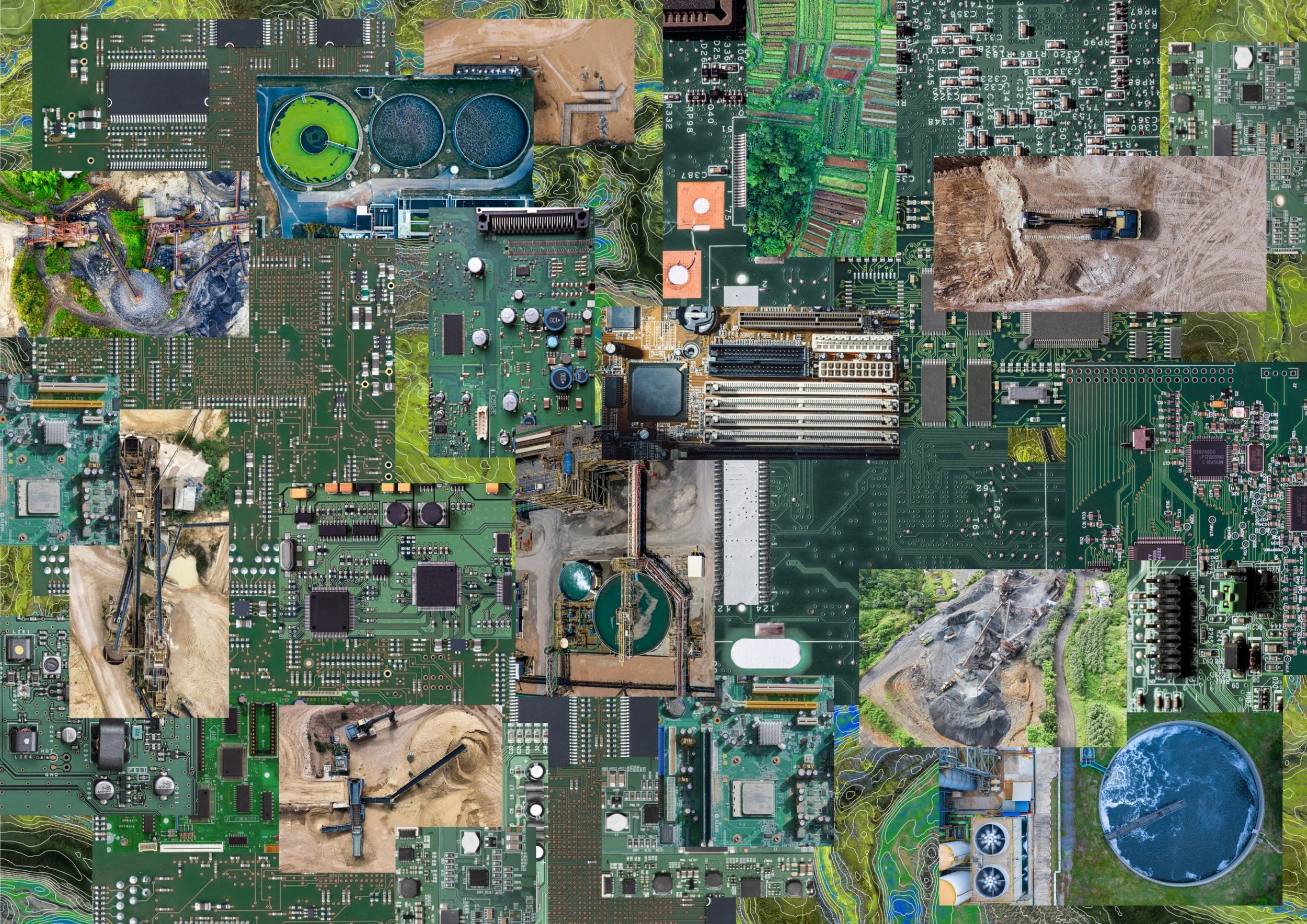
How can you cut through the noise of superabundant AI content? By telling stories of impactful AI that no one has ever heard before.

Can AI enable civil society organisations, culturally and contextually embedded but often under-resourced, to act faster and at a more ambitious scale to create more resilient societies, and to detect mis- and disinformation initiatives more effectively?
Explore the pilot portfolio
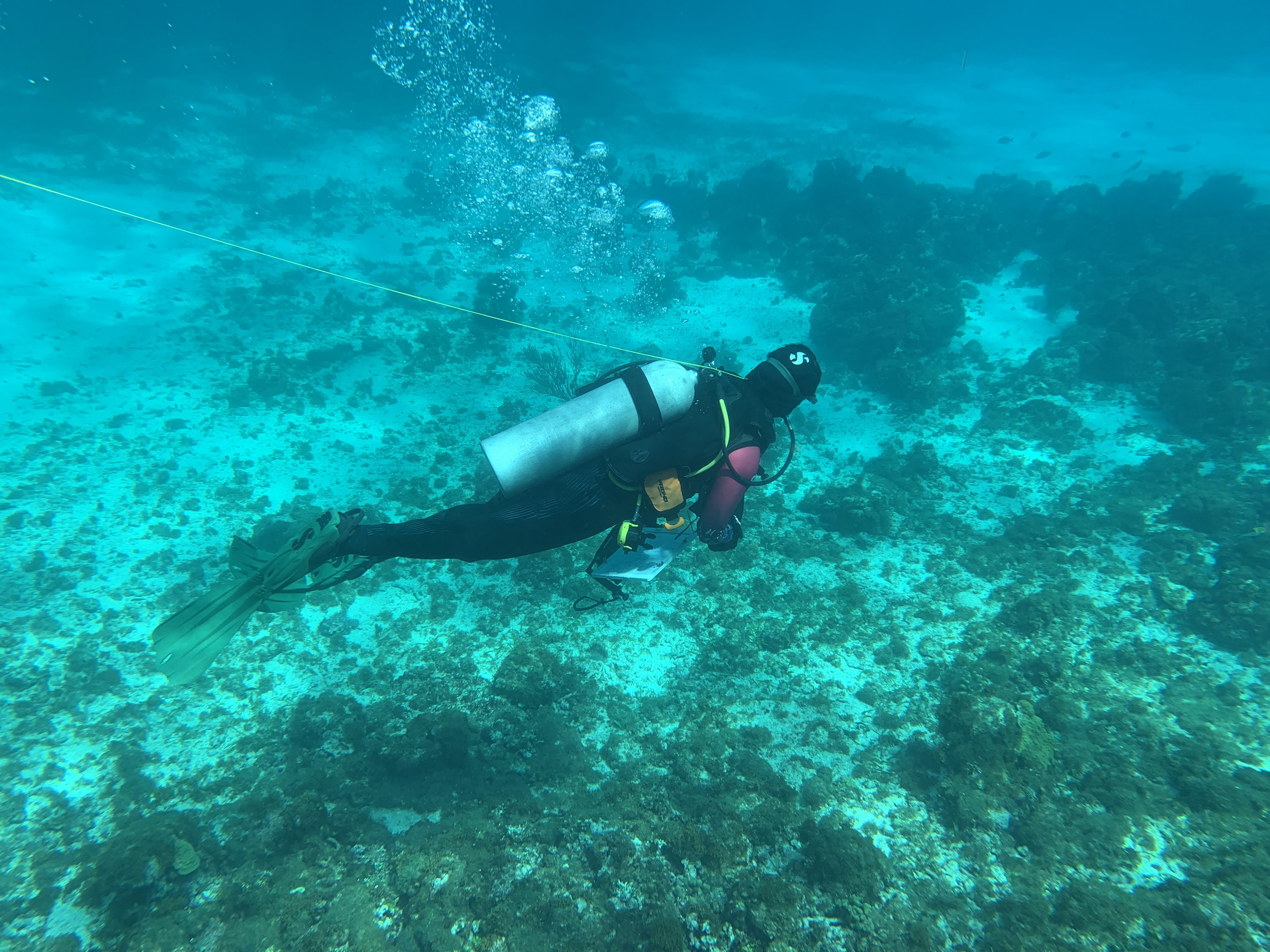
Can drone imagery and AI map reef health at scale, providing faster, lower-cost alternatives to traditional underwater monitoring in the Caribbean?
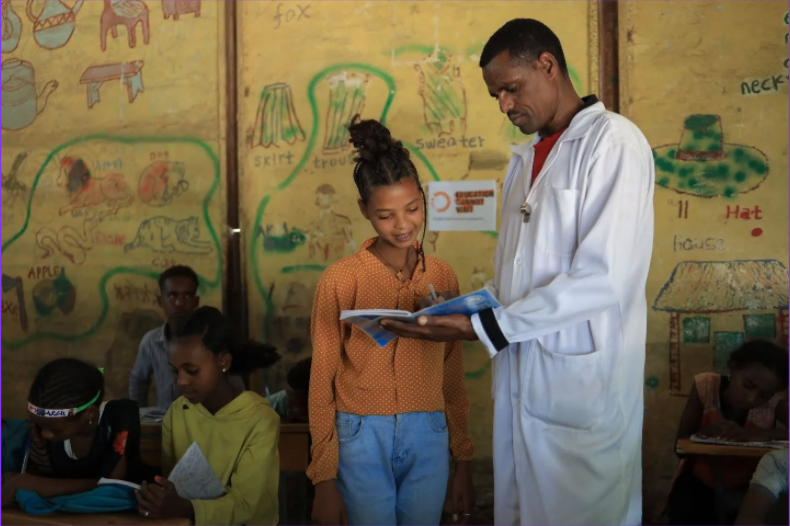
Can an AI-powered, bilingual platform improve the confidence, classroom delivery, and professional development of teachers transitioning to English instruction?
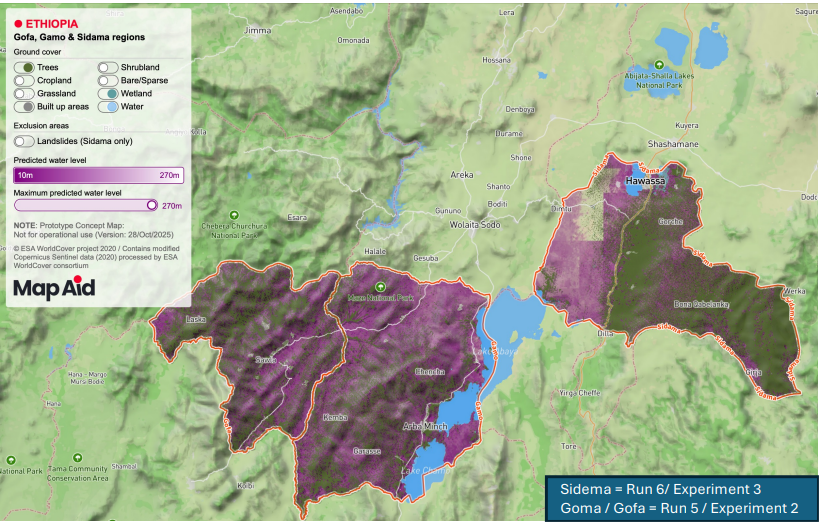
Can machine learning predict groundwater levels accurately enough to reduce failed well drilling in drought-affected communities across Ethiopia?
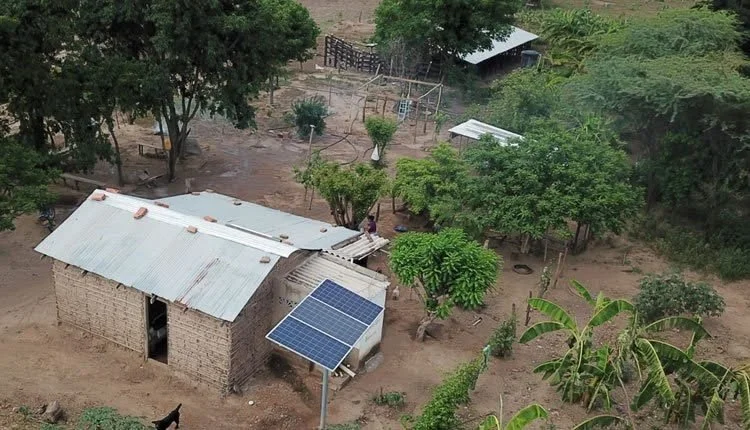
Can smarter metering and monitoring systems improve the sustainability, efficiency and climate resilience of off-grid, community-managed energy utilities?
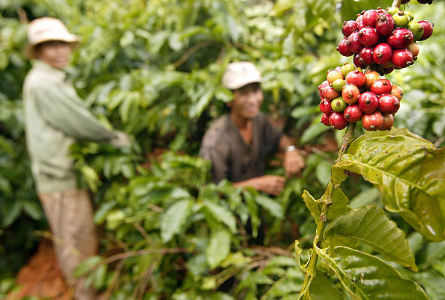
Can traceability and climate risk protection be bundled into a single coffee transaction, improving market access for smallholders while meeting buyer demands?
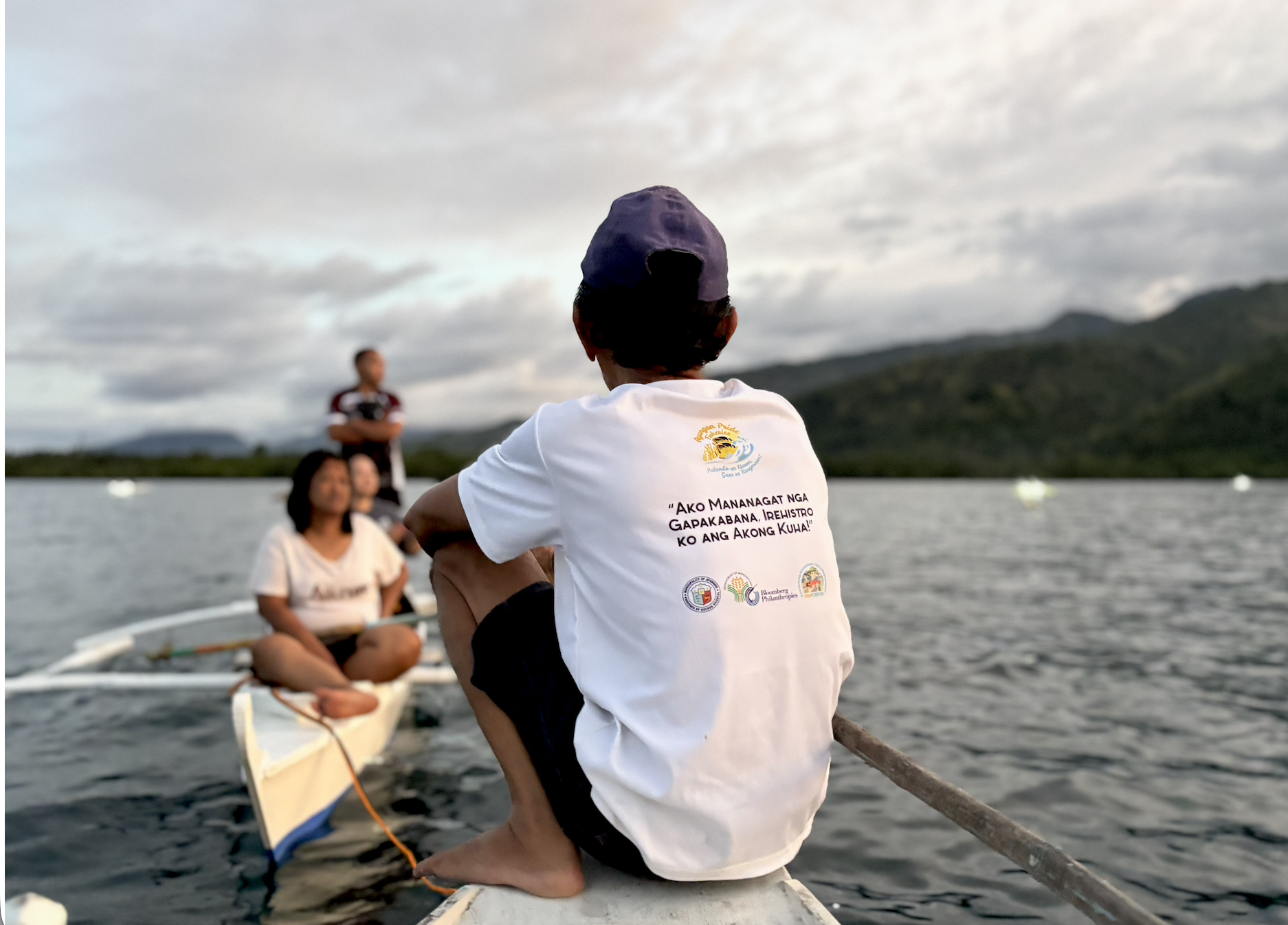
Can climate insurance payouts be more inclusive and reliable for small-scale fishers, without building new systems?
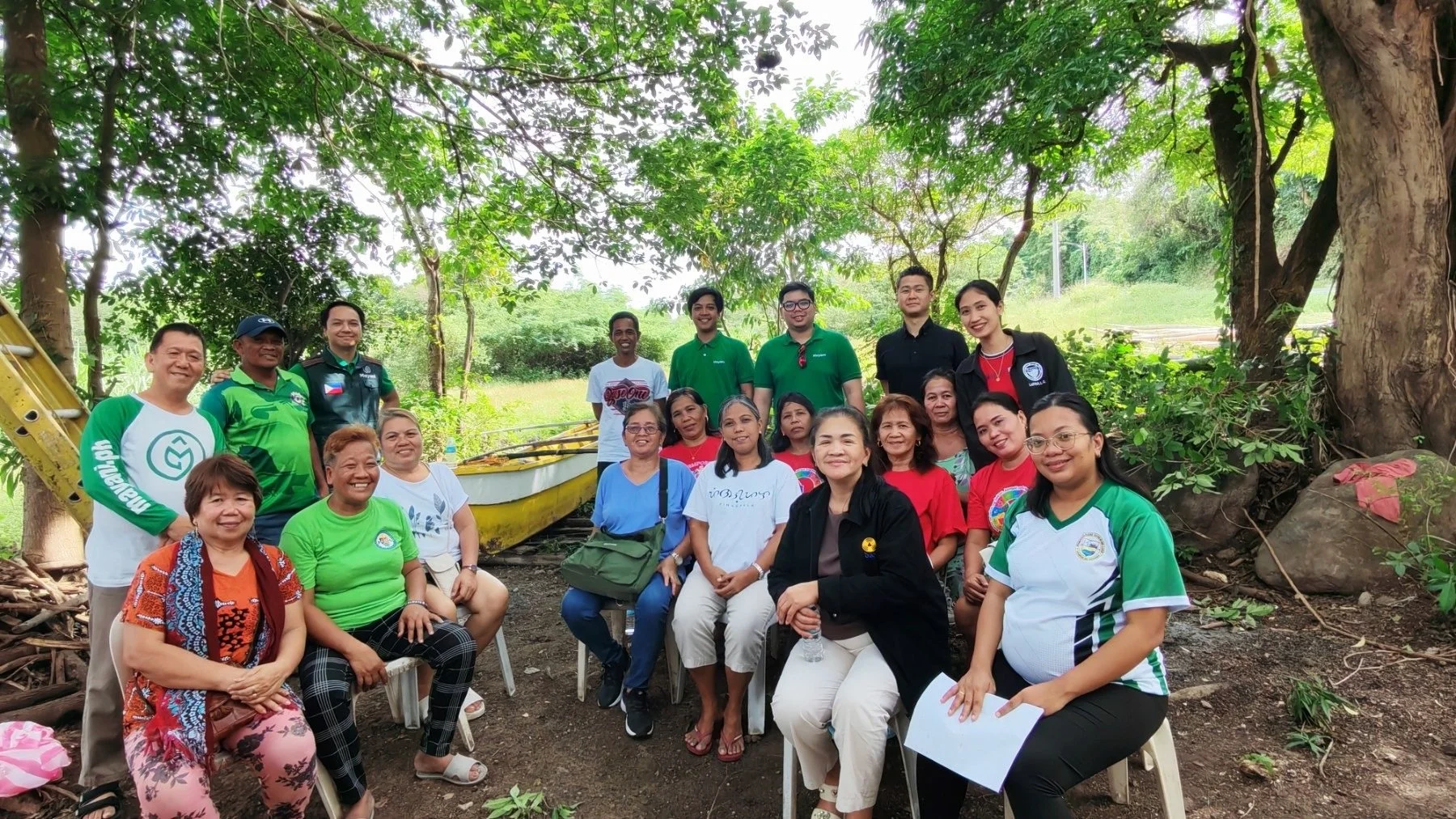
Can market offtake-linked parametic insurance help smallholder fisherfolk build financial stability and climate resilience?

Can an AI-powered offline tool provide personalised legal support for hard-to-reach populations in rural Tanzania?
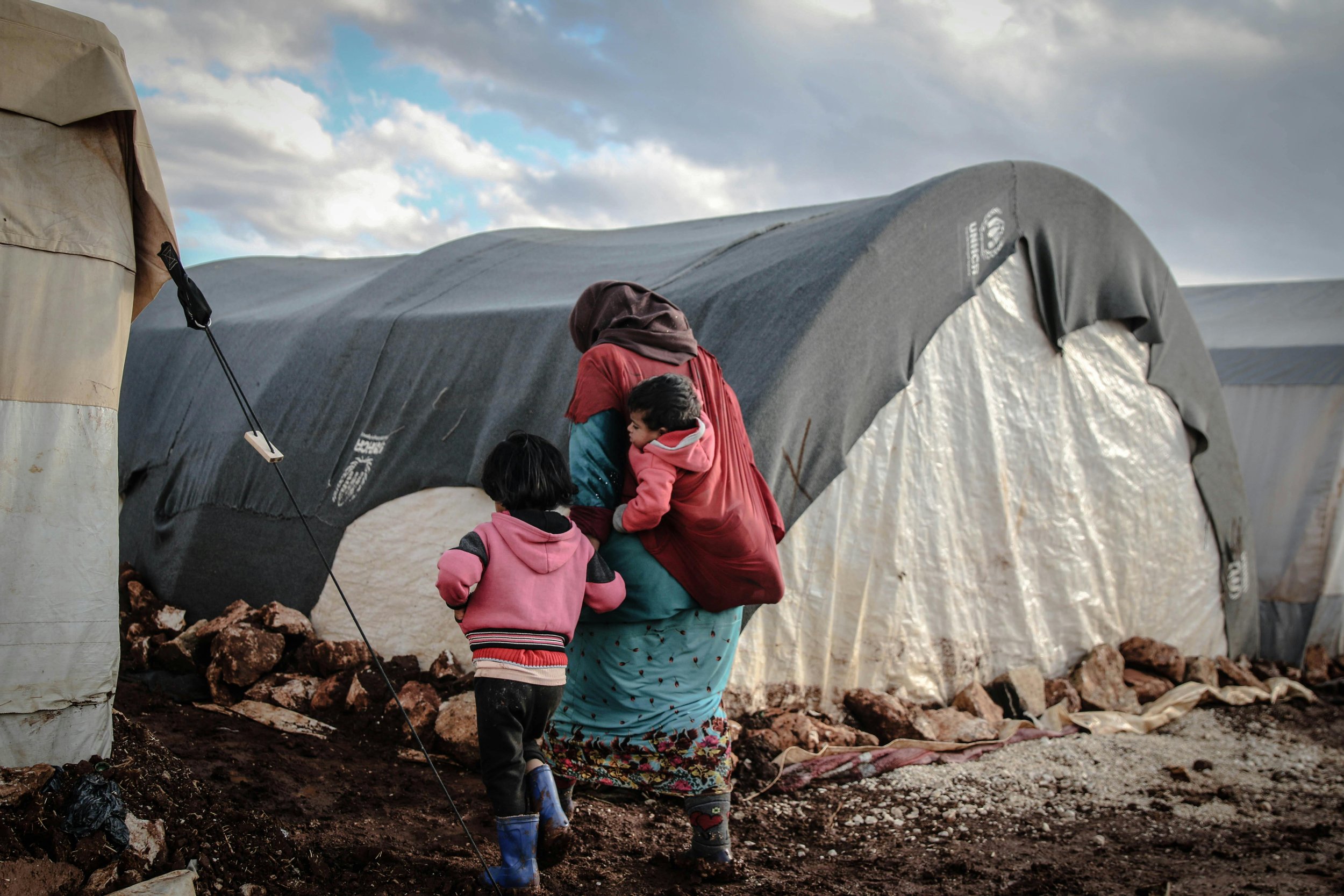
Can solar-powered hardware with multilingual software help vulnerable migrant populations better understand and communicate their medical needs?
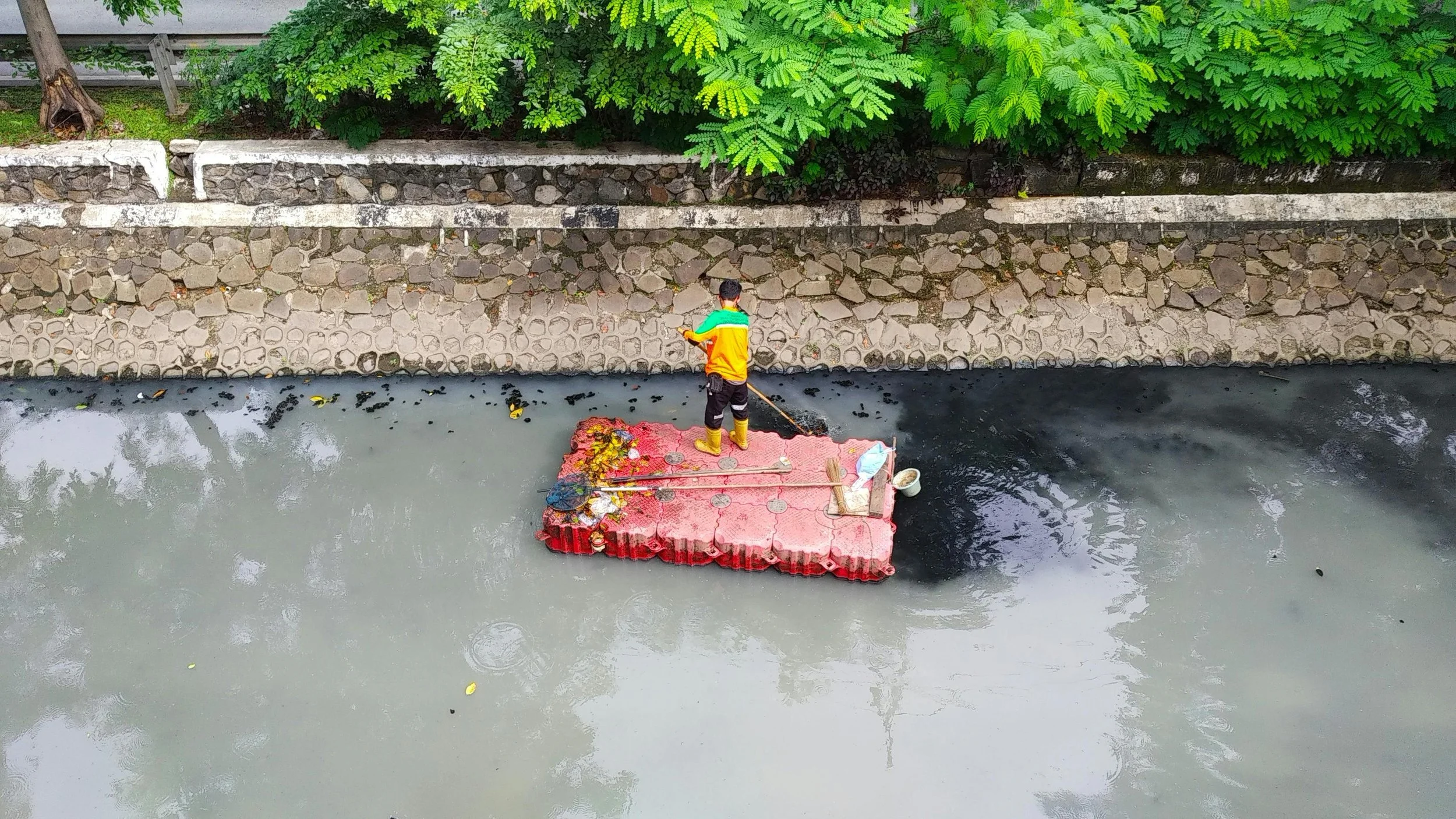
Can satellite-based mapping and hydrometeorological data identify communities exposed to mining contamination and guide targeted interventions?

Can an AI-driven forensic search tool speed up the identification of missing persons and ease the burden on families in Mexico?
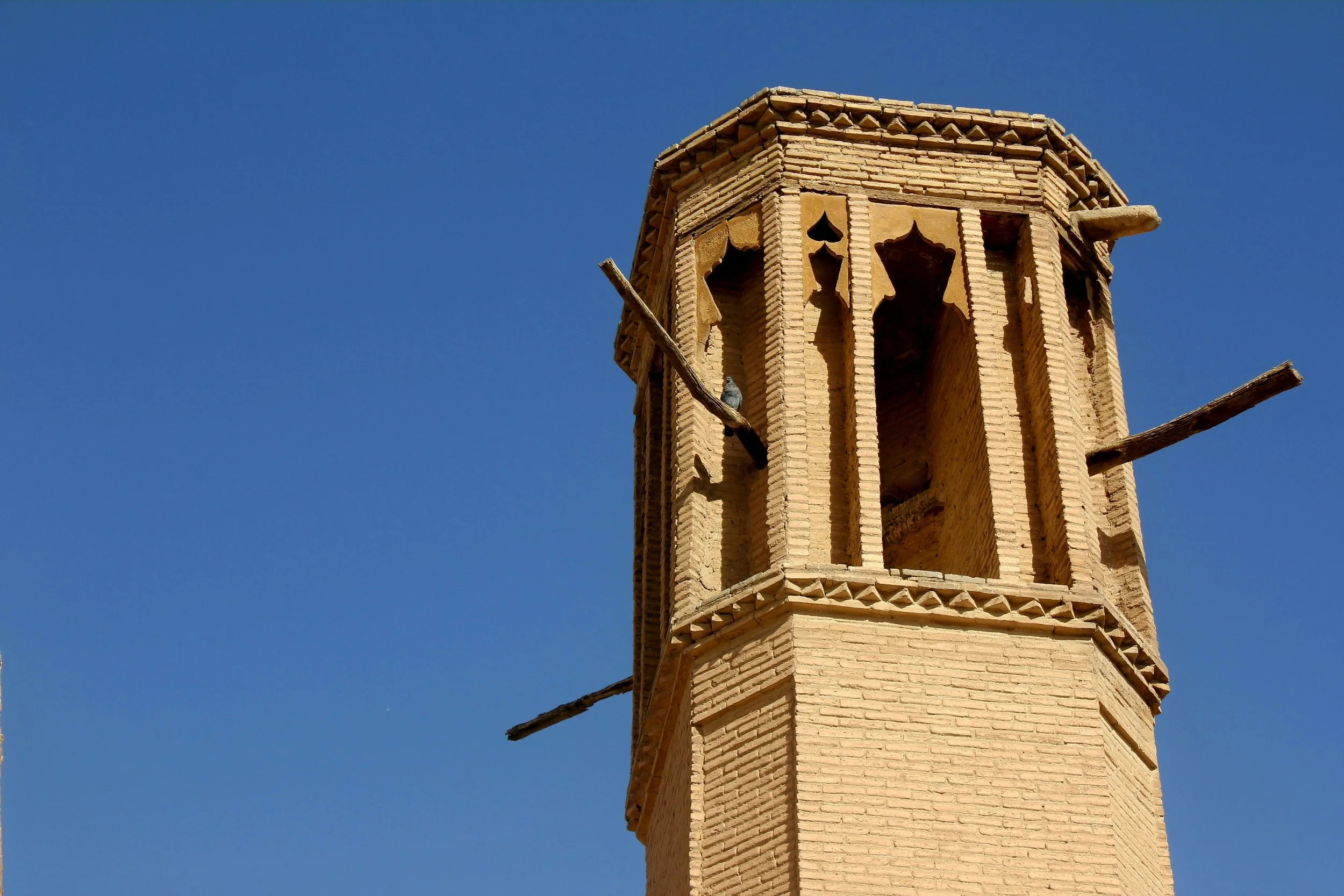
Can ancient desert technologies be adapted to support safer living conditions and strengthen climate adaptation for people facing prolonged displacement?
Films, podcasts and reports
Films from our pilots

Climate adaptation needs to move beyond isolated solutions to resilient supply chains, and we need investable solutions that make this possible.
This 9-minute film follows two parametric insurance pilots working to protect the livelihoods of fishing communities across the Philippines, using climate data and financial technologies to support one of the world's most climate-vulnerable communities.
Climate adaptation needs to move beyond isolated solutions to resilient supply chains, and we need investable solutions that make this possible.
This 9-minute film follows two parametric insurance pilots working to protect the livelihoods of fishing communities across the Philippines, using climate data and financial technologies to support one of the world's most climate-vulnerable communities.
Read more about the portfolio and the FIRST Fund here: https://www.frontiertechhub.org/firstfundforclimateadaptation

Life on Earth is disappearing faster than we can track it. But innovative solutions can't scale without accessible, reliable data. This film showcases two UK-developed technologies being adapted for use in Kenya and Colombia—making biodiversity monitoring faster, cheaper, and accessible where it's needed most.
Life on Earth is disappearing faster than we can track it. But innovative solutions can't scale without accessible, reliable data.
This film showcases two UK-developed technologies being adapted for use in Kenya and Colombia—making biodiversity monitoring faster, cheaper, and accessible where it's needed most. Published on November 6th 2025, it marks one year since COP16 Colombia called for capacity-building in biodiversity conservation for low- and middle-income countries.
🦋 In Kenya: The UK Centre for Ecology & Hydrology (UKCEH) has found ways to manufacture their AMI (Automated Monitoring of Insects) system locally at 50% of the cost, making insect monitoring—previously too expensive and difficult—finally viable for conservation planning.
🧬 In Colombia: Oxford Nanopore Technologies' MinION device enables portable DNA sequencing to tackle illegal wildlife trafficking, reducing costs from $14 to $0.46 per sequence and delivering results in 48 hours instead of weeks.
Both technologies fit in a backpack. Both demonstrate what's possible when cutting-edge innovation meets genuine co-design and local ownership.
📊 READ THE FULL REPORT: Frontier Tech for Biodiversity - What we've learned from supporting early-stage biodiversity technologies and innovations https://www.frontiertechhub.org/resources/tech-for-biodiversity-monitoring
Featured Contributors: Dr. Jenna Lawson, Biodiversity Scientist, UKCEH Dr. Aaron Pomerantz, Director of Global Segment Marketing, Oxford Nanopore Technologies

Expensive, slow and unreliable supply chains significantly hold back local businesses in the Solomon Islands.
The Frontier Tech Hub explored the use of distributed manufacturing technologies to localise supply chains and strengthen local production capacities with manufacturing sector partners.
Expensive, slow and unreliable supply chains significantly hold back local businesses in the Solomon Islands.
The Frontier Tech Hub explored the use of distributed manufacturing technologies to localise supply chains and strengthen local production capacities with manufacturing sector partners.
The project explored multiple digital manufacturing technologies including 3D printing, laser cutting and CNC milling, through expert led research.
Our analysis pointed to three key factors; market, firm, and tech. The distributed manufacturing tech that was strongest for all three was CNC milling and our partner Tropic Group Builders.
The challenge for small-scale manufacturers using these technologies is in developing sustainable business and investment models. This pilot builds upon previous learnings from other Frontier Technology Pilot’s, such as Kijenzi in Kenya and our Distributed Manufacturing Deep Dive.
Find out more on their pilot profile: https://www.frontiertechhub.org/pilot-portfolio/3dprinting-solomonislands

To save lives, humanitarian aid needs to be in the right place at the right time. But GeoSeals could help ensure malnutrition stock is available for those who need it most.
To save lives, humanitarian aid needs to be in the right place at the right time.
In hard to reach conflict zones, areas without electric and internet connectivity and where staff are overstretched, reliable real time data does not exist. This results in stock running out, medicines expiring and inefficiencies in delivery. Ultimately this puts the lives of the most vulnerable on the line.
But GeoSeals could help. It's a tech-driven solution which could gather the data needed to ensure stock is available for those who need it most, by sticking RFID labels on boxes of aid, and tracking their arrival at rural health points using IoT-enabled sensors called GeoHubs. In March 2024 we followed the team to Ethiopia to capture their live reflections as they installed 6 GeoHubs on the road between Addis Ababa to Fedis: a 600km delivery route for RUTF supplies (ready to use therapeutic food). This enabled them to track 200 boxes of RUTF supplies. If the trial is successful the data collected by each GeoHub will present a clear picture of supply journeys, and the stock at each remote health point of life-saving malnutrition aid.
Find out more here:
https://www.frontiertechhub.org/geoseals

The use of frontier technologies to address biodiversity loss is gaining momentum in LMICs, promising to make monitoring faster, cheaper, and more accessible. But their success depends on much more than technological sophistication.

AI health chatbots are transforming care in low- and middle-income countries, offering private on-demand support where it’s most needed. But to truly deliver on their promise, these tools must be responsibly designed with users in mind.

This report shares our learnings to date on circular economy focussed work, ranging from COVID-19 response, bioplastics production, and agricultural repurposing. It shares a number of findings and recommendations for donors/innovators.
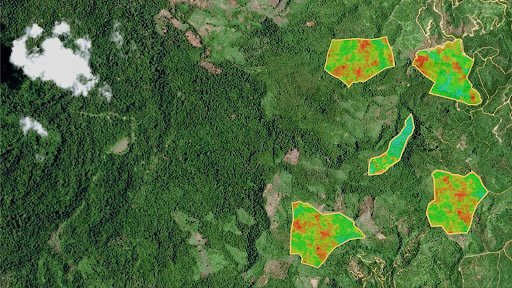
A report on the status and potential of frontier technologies in the Voluntary Carbon Market (VCM), a carbon-offsetting initiative part of wider Net Zero efforts.

Since the programme's launch, 10 Frontier Technologies Livestreaming pilots have used Internet enabled sensors as part of proposed technical solutions aimed at delivering social, environmental and humanitarian impact. We conducted a review to understand what has been proven by Frontier Technologies pilots, on the potential for these solutions to work within different contexts, and unlock impact.


A landscape review of how climate finance is accessed by early stage pilot innovations, and the role that public sector grant funding can play in unlocking private sector climate finance investment in early-stage innovation.

Through four pilots at the FT Hub, we’ve been surfacing learning about the potential to scale distributed manufacturing in different contexts. This deep dive aims to collate the learning from our pilot portfolio, and extend it with six additional case studies.

The Frontier Technologies Hub is currently in the process of conducting a review, along with Impact Plus, to reflect on what we’ve learned about blockchain, it’s application in the international development and humanitarian contexts, and what this means for the Foreign Commonwealth and Development Office, and other actors, when it comes to implementing blockchain for impact.


This brief shares the key lessons learned from COVIDaction Local Production Local Solutions (LPLS). Through its work, LPLS identified that localisation of production, distributed manufacturing and circular economy approaches can help increase resilience to emergencies and improve the responsiveness of production systems to community needs. These approaches can also help to reduce waste, limit carbon emissions, and mitigate the impacts of production systems on the environment.
Podcasts


The Data Frontier is a 7-part podcast series examining the newest uses of data in development and diplomacy, with people at the heart of the data frontier. In each episode, we hear from a guest using digital data in different ways.

Stories about how to overcome the biggest challenges in tech for global development, straight from those who’ve been there and done it.
Evidence from the Hub
Want to be inspired and informed by the Frontier Tech Hub? Connect with us by joining the Frontier Tech Network!

The original spark for what eventually became Project Sapling came to Christina Toepell when she was on holiday in the north east of Sierra Leone.