Piloting AI before it became mainstream
A blog by the Frontier Tech Hub
Credit: Sinem Görücü
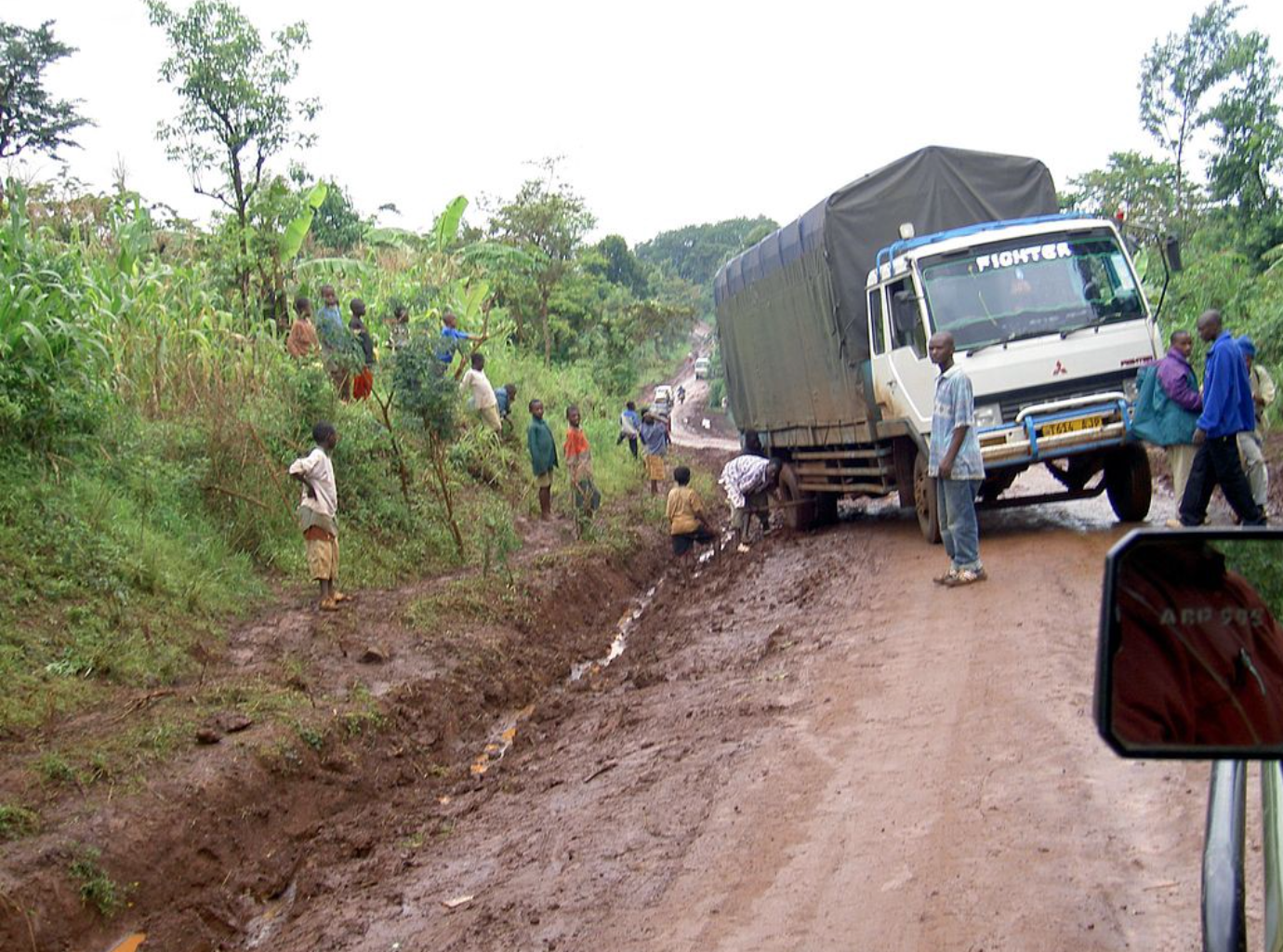
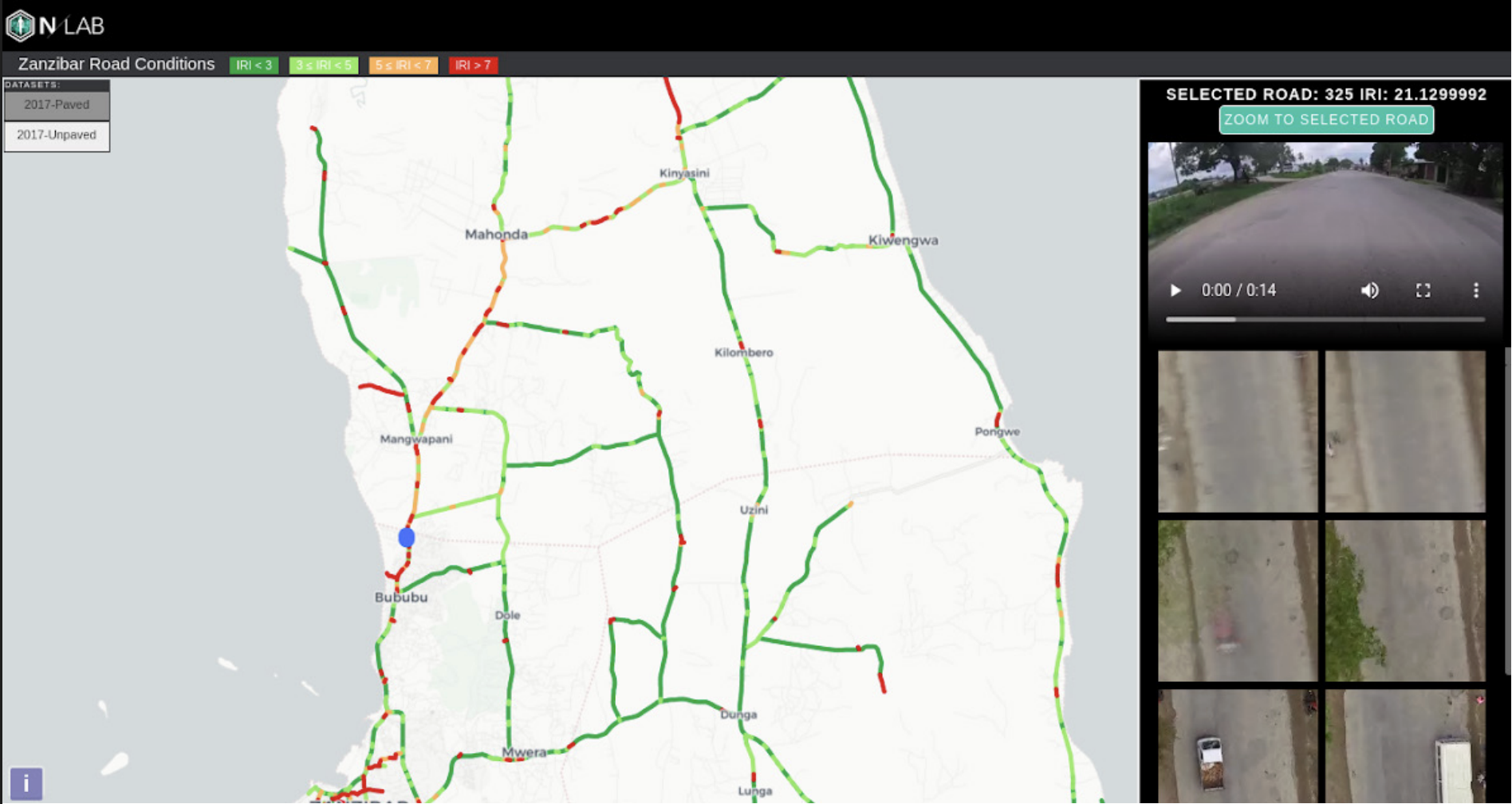
In 2017, the Zanzibar Department of Roads identified an issue. Tanzania had an estimated 100,000km of rural roads, some of which were in dire need of repair, but existing road survey methods were manual and could cover only 50km per day. This meant that a full rural road survey would take about 10 years, not counting any new roads built throughout the course of the decade.
The proposed solution was to collect 1,200km of data, via bump sensors, smartphones, GoPro cameras, and human observation, and use it to train a machine learning model to perform road surveys using existing drone imagery. The results were promising, with 73% accuracy in distinguishing good vs bad roads.
And despite how novel it felt at the time, the only mistakes were caused by bad drone image quality at the time. The machine learning worked just fine.
Before the Boom
Since 2017, the Frontier Tech Hub has supported 27 pilots that tested, or are testing, frontier applications of AI in low-resource settings such as Colombia, Yemen, Ukraine, and Nepal. We’ve been working with teams using AI long before it found its mainstream voice, and following our first pilot (described above), new, bold ideas quickly diversified across geographies and sectors.
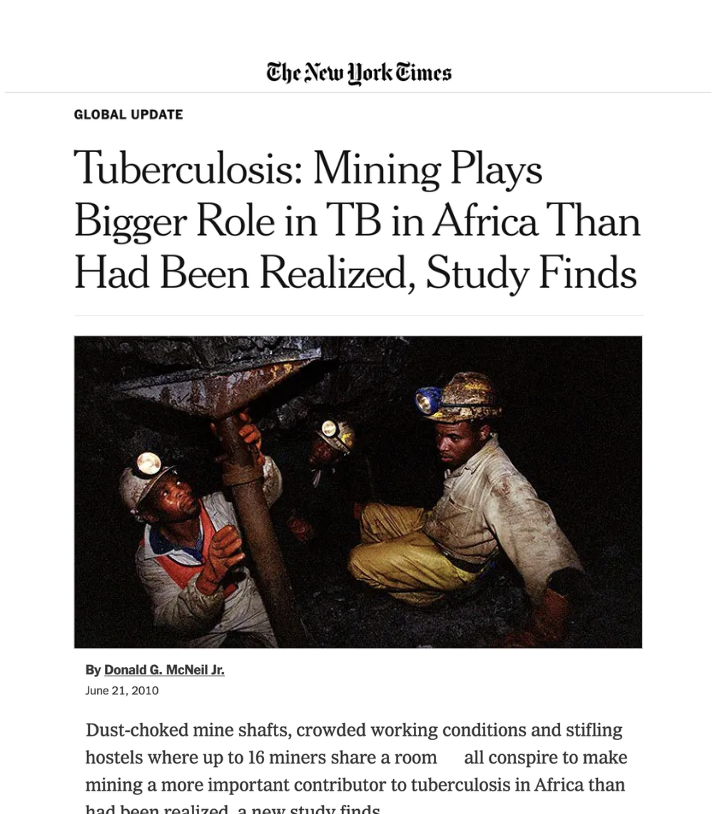
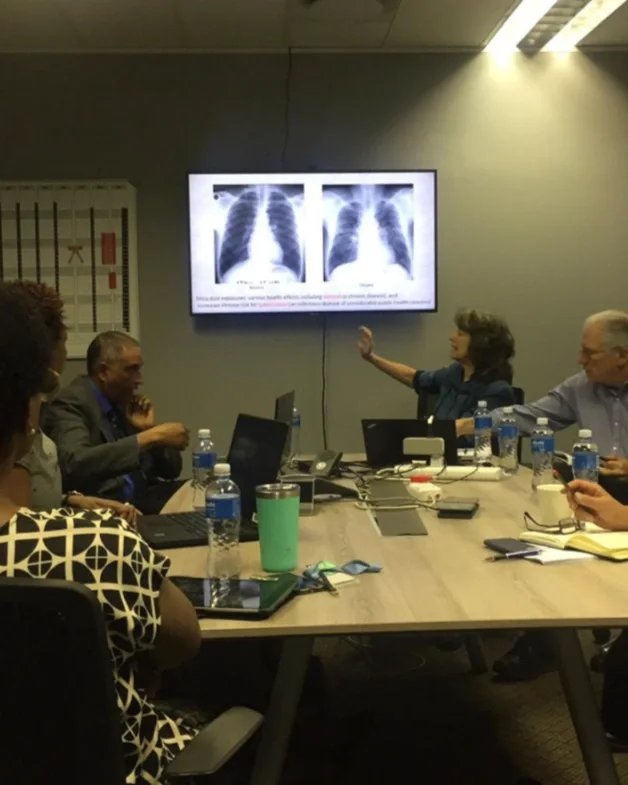
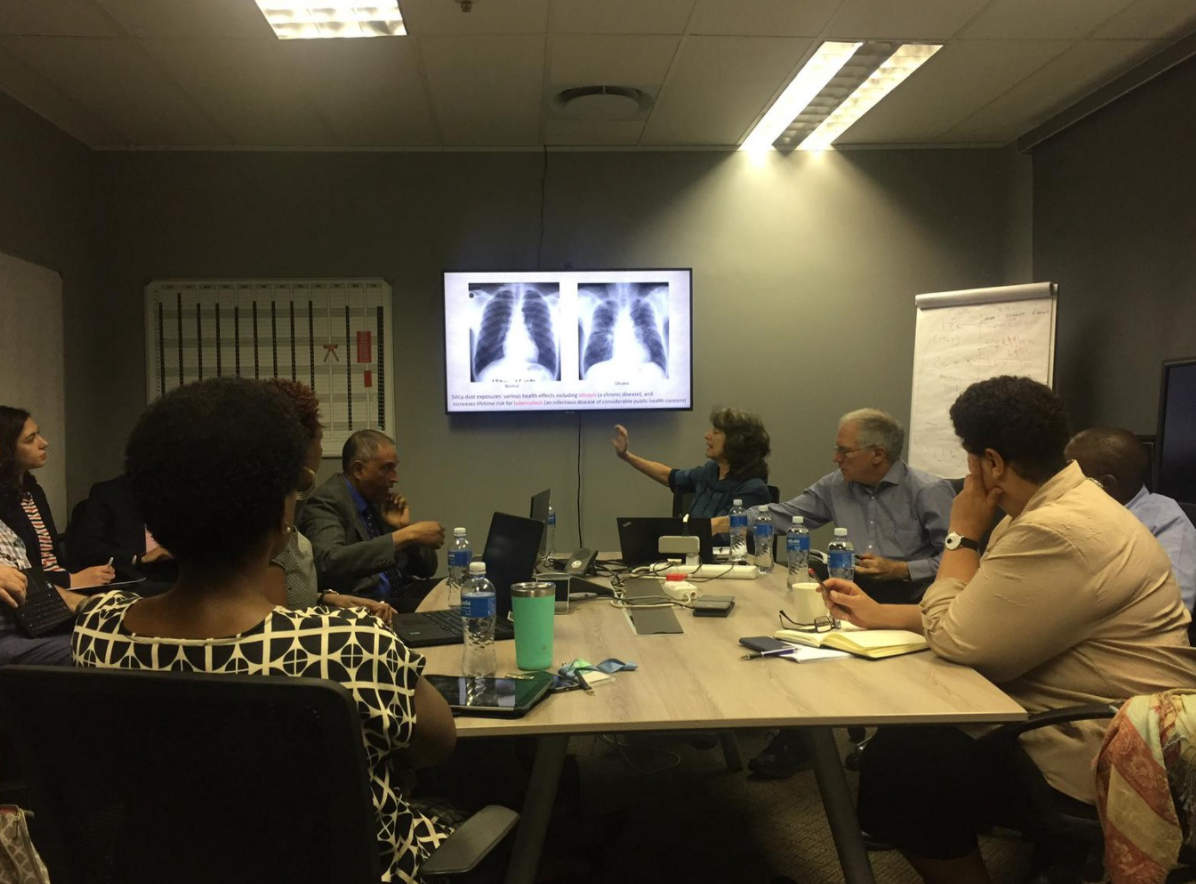
While our first pilot harnessed AI to observe and analyse roads of Tanzania, the second used it to successfully diagnose tuberculosis in the chests of people who worked in South African mines. They collectively had TB rates higher than any other population worldwide due to the silica dust and silicosis that would gather and sit in their lungs, reaching rates of 25% in long-service miners.
Today our AI portfolio is spread across 22 countries and spans use cases in Agriculture, Climate, Education, Evidence, Global Health, Governance, Human Rights, Humanitarian Assistance, Infrastructure, Energy, Biodiversity, and Economic Development. Click play on the animation below to see how this has diversified over time.
It’s refreshing (and critical) to discuss frontier AI applications outside the perimeters of Silicon Valley because:
It demonstrates that some of the most impactful uses of AI are emerging from the global majority, offering blueprints to locally relevant innovations.
It recentres agency in AI development to local actors and busts preconceptions that frontier technologies cannot work or scale in low-resource settings.
It advances a wider and urgent conversation about what enabling ecosystems for AI innovation looks like in developing contexts.
The final point carries with it that different contexts require their own considerations and rules, and if AI is to contribute towards equitable development and common good, it is important to delineate the rules within which new AI applications work. The pilots in the Frontier Tech Hub portfolio present novel applications of AI because they are demand-led and solution-oriented. Learning from these pilots and their experiences, we can extrapolate lessons around designing people-centred, ethical, and responsible uses of AI that can be applied to the world of development, whether it comes with a big “D” or a small “d”.
More than Large Language Models
AI has become synonymous with mainstream, everyday tools like ChatGPT, but the use of AI across our pilots is not limited simply to any specialised or localised formulations of existing chatbots or LLMs. The pilots are designed to meet specific demands and contexts, which means the use of AI must be targeted and tailored to a given solution.
We have identified five distinct buckets, most of which have existed for years before the OpenAI boom in 2022. The examples we described above feature computer vision (teaching AI to make sense of what it can see), and this use case has remained distinct across time.
We’ve seen geospatial AI surge in popularity over time, and with the growth in natural language processing beyond Global North languages, we’re seeing new ideas using speech and language AI.
Click play on the animation below to watch how these have grown since 2017, and then explore each of the five AI buckets below.
Computer Vision
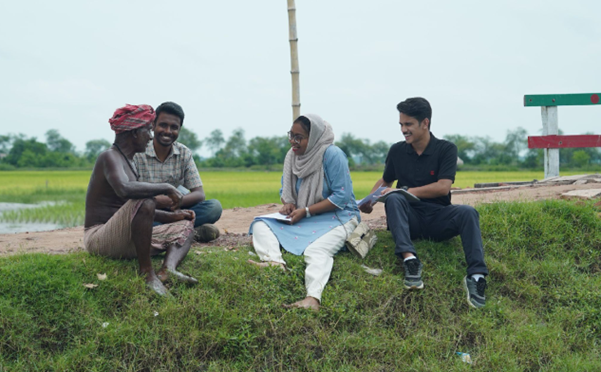
These pilots teach machines to make sense of what they see. That might be a chest X-ray, a thermal image of a forest, or a photo of a rural road. Across the portfolio, computer vision is helping teams spot patterns that would take humans weeks to find manually, and turning images into data that governments and communities can act on.




Geospatial AI
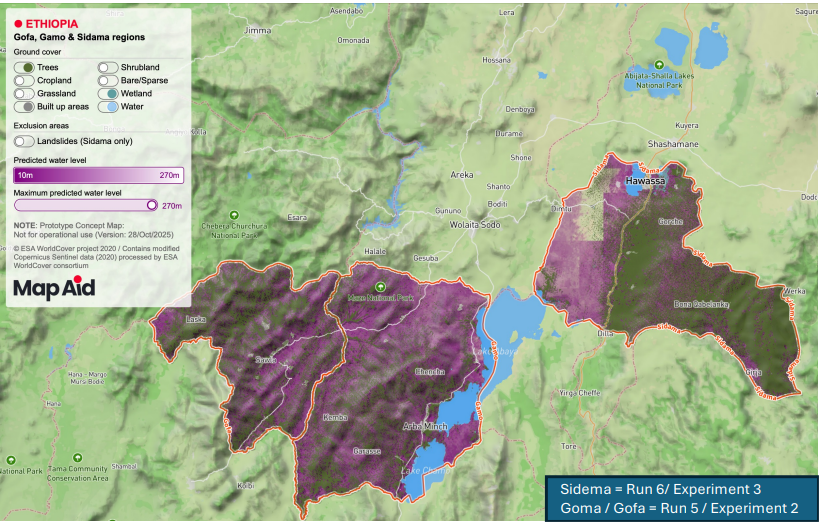
Pilots in this category train machine learning models on satellite imagery, drone footage, climate models and environmental data to answer practical questions about the physical world: where groundwater sits, which communities face flood contamination, and how forest carbon is changing. It offers reliable insight across large or inaccessible areas at a fraction of the cost of ground surveys.






Generative AI
Where the computer vision and geospatial pilots interpret images and data, these pilots use large language models to generate something new like tailored legal guidance over a basic phone line or clinical advice via WhatsApp. The common challenge is making LLM outputs trustworthy enough for high-stakes contexts, so each pilot pairs generation with safeguards, whether that's verified content libraries, human clinical oversight or regulatory red-flag checks.



Predictive modelling
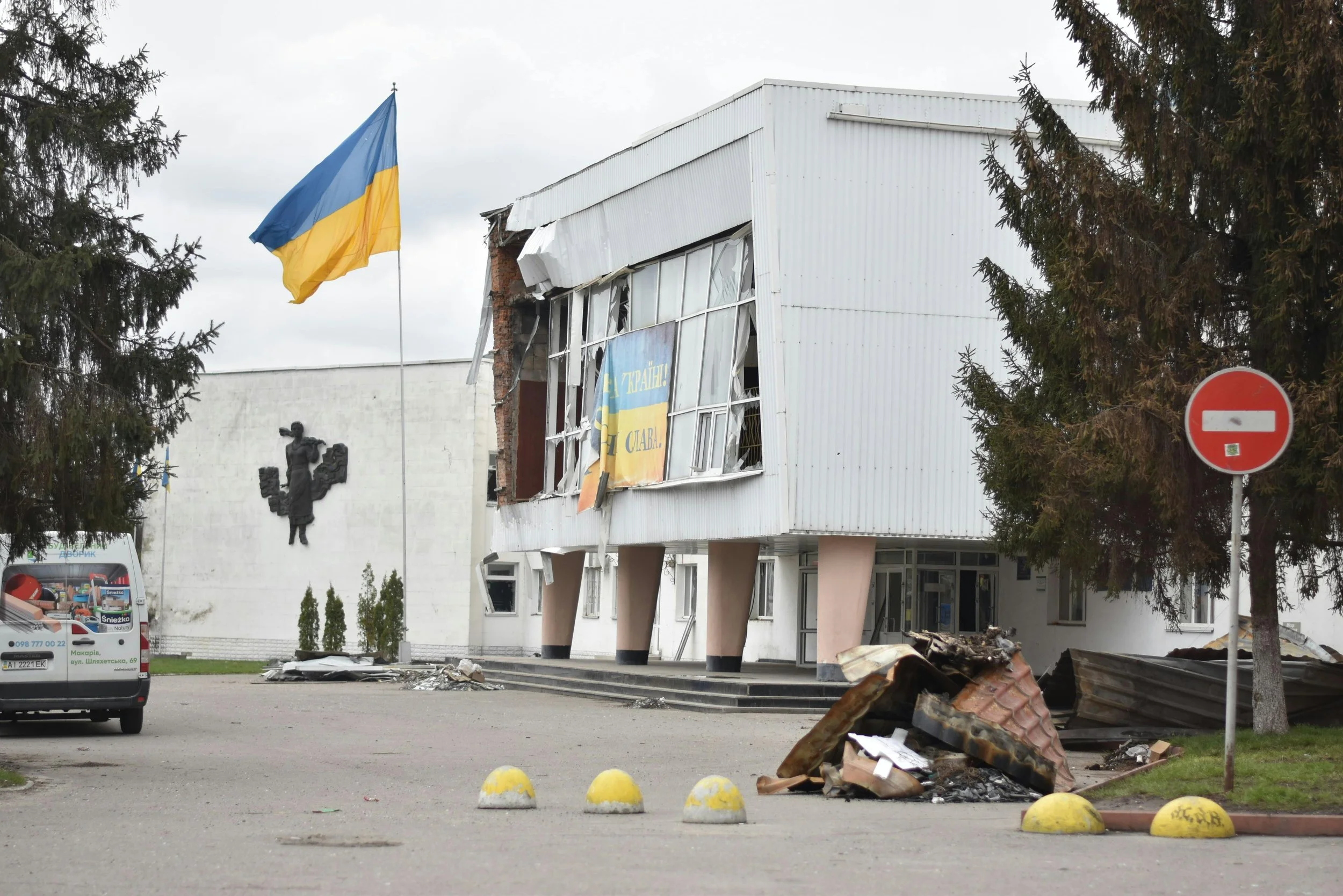
Machine learning can find patterns in data and turn them into decisions: forecasting forced displacement before it happens, flagging which households most need social support, matching start-ups with the right funders, or spotting anomalies in a community utility's energy use. Rather than generating content or interpreting images, these systems work with structured data: historical records, real-time signals, and demographic information. The aim is to help teams or communities prioritise, plan and act earlier.


Speech and language AI
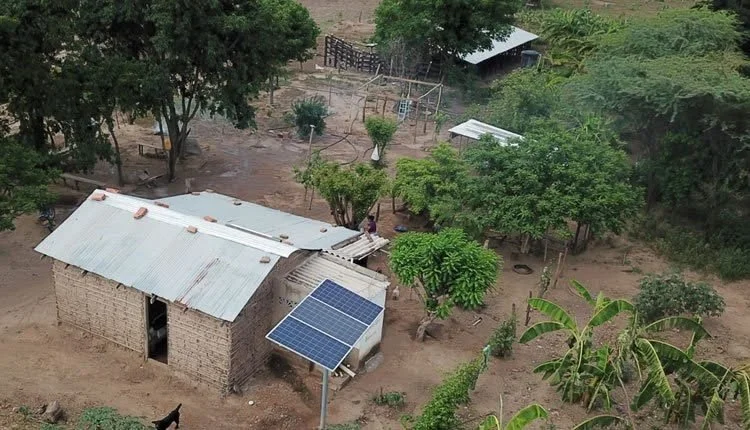
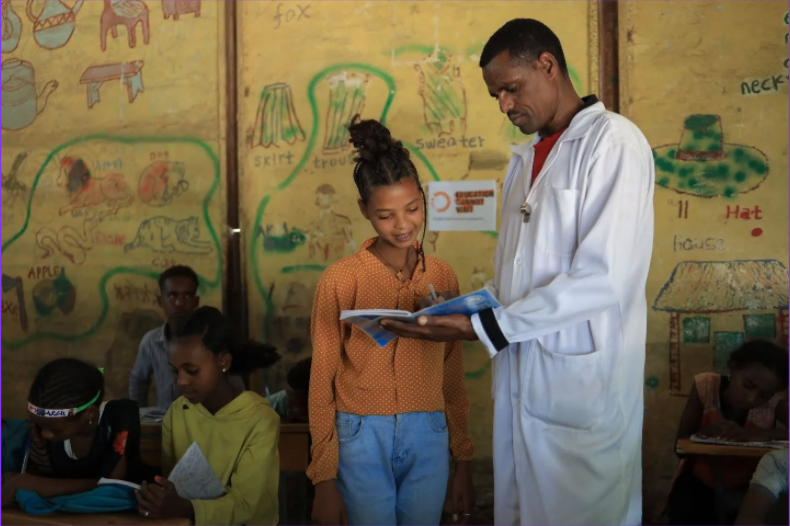
These pilots apply AI to spoken language in places where connectivity can't be taken for granted. One gives Ethiopian teachers real-time feedback on their classroom English via an offline-capable app, while the other puts solar-powered translation devices in the hands of frontline workers supporting migrants. They test whether speech technology (which is usually built for well-connected, English-speaking users) can work where it's arguably needed most.

Insights are meant to be scaled
This is just the beginning of what we have to share. Each pilot has its own local experts, pioneers, and coaches who collaborate to test and scale a specific innovation, and one could spend all day learning about the technology and trajectory of any given intervention. But the real value is when we zoom out and connect the dots across our pilot learnings to advance urgent questions about what enabling ecosystems for AI innovation must look like in developing contexts, and, critically, how we can ensure they are implemented ethically and responsibly across the board.
In the coming weeks, we will be diving into overarching lessons, best practices, and ethical taxonomies and frameworks that emerged from the analysis of our AI pilot portfolio. Our insights, much like our pilots, are meant to be scalable, to work across contexts, and to inform other individuals or organisations learning how to support AI solutions in a bottom-up, ethical, and ultimately effective way.
Next up, we will discuss the ethical use of AI in pilots and developing context, and how we applied our pilot learnings to build out an overall ethical framework.
Have you engaged with ethics and AI? Have your projects yielded surprising learnings, whether good or bad, or do you have any thoughts on the use of AI in development?
Reach out to Shayan to share thoughts and insights: snavab@r4d.org
If you’d like to dig in further…
🔘 Explore the potential for ‘Physical AI’ (robotics) in LMICs
🔘 Read how AI chatbots are being used in the health sector
🔘 Take our short learning module on AI use cases
🔘 The rise of six new ‘data orchestrator’ roles in government
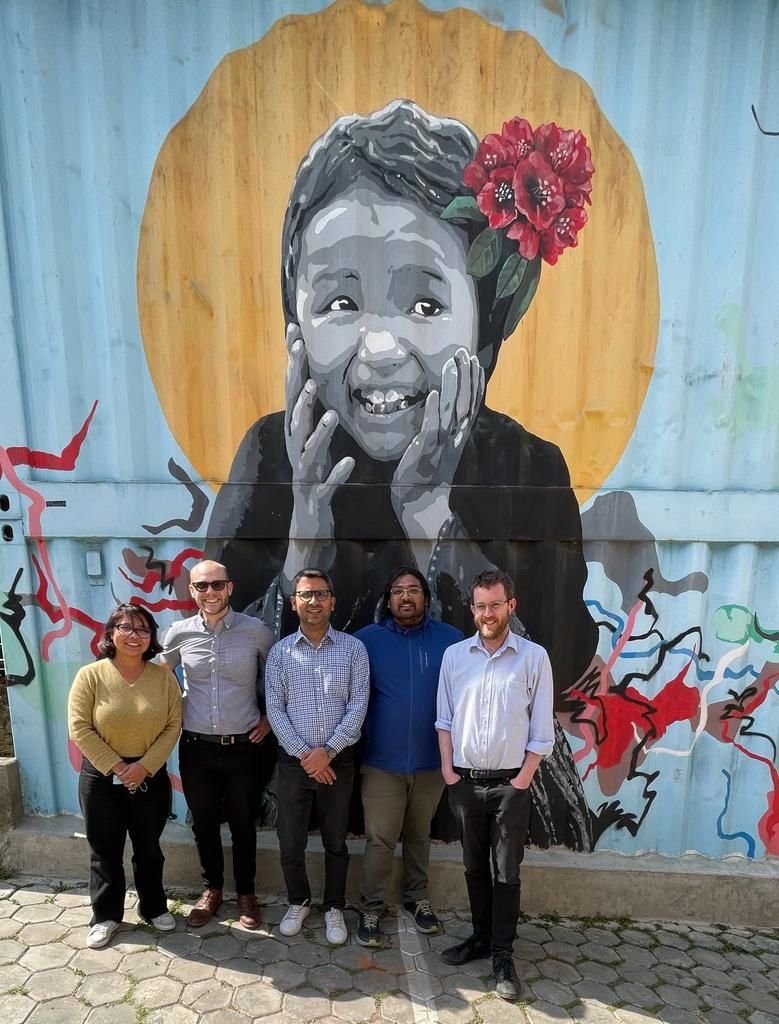
🔘 Watch a short film about fixing rural water taps in Nepal with AI-enabled image recognition