
Smart Monitoring Energy Communities
THE QUESTION
Can smarter metering and monitoring systems improve the sustainability, efficiency and climate resilience of off-grid, community-managed energy utilities?
LOCATION: Colombia
SECTOR: Climate
TECH: Internet of Things, Artificial Intelligence
TIMELINE: 2025 - Present
PIONEER: Carolina Garzon
PARTNERS: Emergente Energía Sostenible S.A.S.
The Challenge
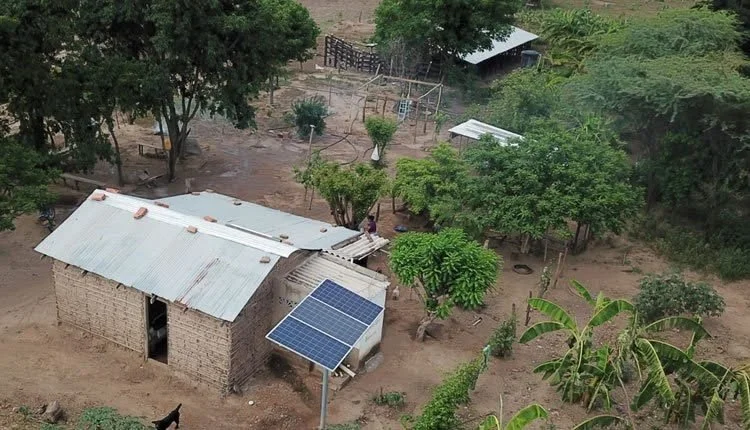
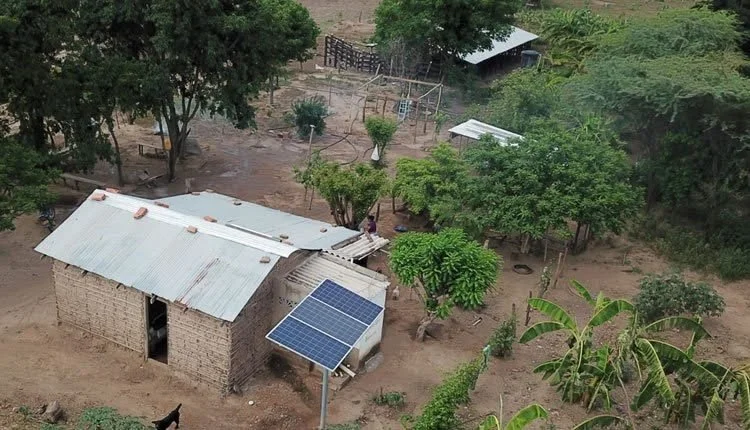
Off-grid communities in Colombia face significant barriers to accessing reliable and sustainable electricity. More than two million people live in non-interconnected zones where energy systems are often managed by local utilities with limited resources and infrastructure.
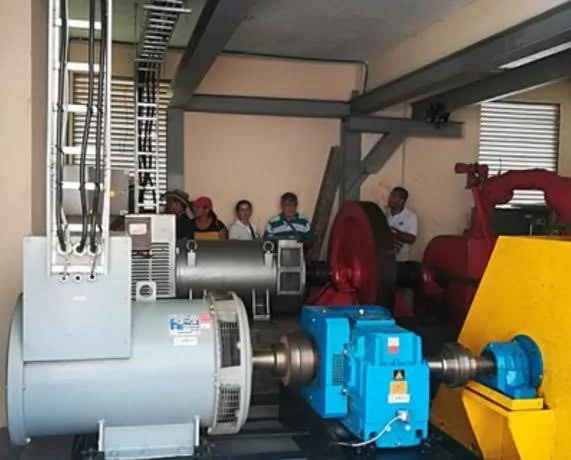
In Palmor de la Sierra, Electropalmor operates a community-run hydropower system that the community itself built over 30 years ago. Like many utilities of its kind, it has long struggled with a fundamental problem: the absence of reliable data on energy generation and consumption. Existing analogue meters, some more than 20 years old, produce inaccurate readings and billing errors. Before this pilot, only around 61% of generated electricity was being invoiced.
This data gap reduces revenue, limits investment in maintenance, and weakens the long-term sustainability of the system. It also prevents the utility from accessing government electricity subsidies, which require consistent and verifiable consumption reporting.
Without digital monitoring tools, detecting system inefficiencies and planning preventive maintenance is also extremely difficult. Operations become reactive rather than planned, and the risk of service interruptions grows. Together, these challenges constrain both financial stability and service reliability, limiting the capacity of community utilities to improve and adapt over time.
The Idea
This pilot tests a smart monitoring approach combining IoT-enabled digital metering with an AI-powered energy management platform, designed specifically for a community-run, off-grid utility.
The solution involves the installation of 28 smart meters connected to a digital platform developed by Emergente and integrated with Enerbit/Kantia technology. The system collects real-time, time-stamped consumption data at both user and system level. Applied AI is used to process this data and automate key operational tasks that previously required significant manual effort and were prone to error, including billing calculations, consumption analysis, and subsidy reporting.
The platform also includes automated billing reports, subsidy reporting tools, consumption dashboards, and alerts for abnormal usage patterns. These features support predictive maintenance and more informed planning.
Importantly, the system is designed to be owned and operated by the community. It introduces structured user and device management tools, and future phases will include capacity building to ensure both operators and community members can interpret and act on the data.
The pilot explores whether an IoT and AI-enabled approach can support a shift from manual, reactive operations to data-driven management. By improving financial flows, operational efficiency, and access to subsidies, the approach aims to strengthen the long-term sustainability and resilience of community energy systems in Colombia's non-interconnected zones.
What We’ve Learned
The first phase of the pilot (August to October 2025) validated the core technical approach and generated important early insights about introducing frontier technology into a community-managed energy context.
The deployment of 28 smart meters across Electropalmor's network confirmed that digital metering is technically feasible in off-grid, community-run settings, even where infrastructure is aging and connectivity is limited. Early data indicated that smart metering could allow Electropalmor to measure and invoice an additional 40,000 kWh per month, potentially representing up to 8,000 USD in additional monthly income. Early projections suggest monthly revenue collection could increase by 50% for large energy users and double for residential users, largely through accurate capture of previously unclaimed government subsidies.
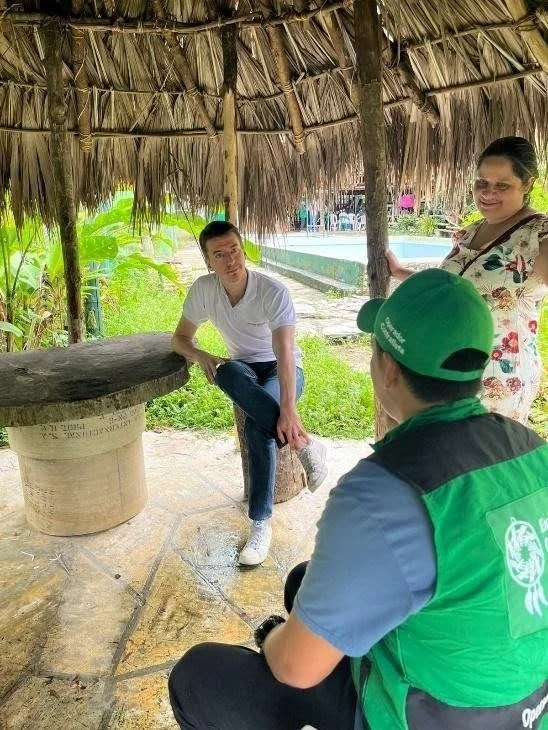
Community engagement revealed important social dimensions too. Women play a central role in household financial decision-making related to electricity payments, but are less involved in the technical side of energy management. This points to the importance of gender-sensitive capacity building in future phases. More broadly, community members welcomed digital monitoring as a tool for fairness and accountability, and expressed a strong desire to see Electropalmor grow into a more professional and self-sufficient organisation.
The pilot also identified a key constraint to scaling. The current cost of data communication infrastructure could represent up to 30% of an individual user's energy bill, which affects the financial viability of wider replication. Finding more affordable connectivity alternatives is a priority for the next phase.
What Happens Next
Building on the first phase, Emergente has secured further Frontier Tech Hub funding to continue developing and refining the solution. The second phase (October 2025 to March 2026) focuses on several interconnected workstreams.
The team is working to test and validate the business and financial model for the proposed solution to evidence its feasibility and viability for scale. The objective of this phase is to support the development of a business case for scaling this model and securing investment from energy communities themselves, from the private sector or from government bodies interested in investing in energy solutions for non-grid connected communities.
If successful, the Palmor pilot will serve as a replicable model for digital transformation in off-grid community utilities across Colombia and beyond.
ADDITIONAL CONTEXT:
This pilot was developed by Emergente Energía Sostenible S.A.S. in collaboration with the Frontier Tech Hub, and builds on a structured programme of scoping work that preceded it. That earlier research mapped Colombia's off-grid energy landscape, engaged a wide range of experts from academia, industry, and government through a multi-stakeholder workshop in Bogotá, and used problem tree analysis to identify the most impactful frontier technology interventions for communities like Palmor. From that process, smart metering and remote monitoring emerged as the highest-priority use case, ahead of other options including AI-powered technical assistance, prepaid billing models, digital training, and market linkage platforms.
Electropalmor was selected as the pilot site because it combines the challenges and enabling conditions that make it a genuinely useful test case: more than 30 years of community-led governance, existing hydropower infrastructure, a motivated leadership team, and clearly identified operational gaps that frontier technologies are well-placed to address.

Our learnings and stories so far
This pilot hasn’t started to publish yet, but there are plenty of other blogs to read below. Check back soon!









The Hub's funding and proof of concept now allows us to unlock reshoring and localised manufacturing for organisations and companies of unlimited size.