Making space to play with AI
A blog by Lil Patuck, a member of the Frontier Tech Hub

'Tis the season for testing, learning (and sometimes failing)
For the last 10 years, the Frontier Tech Hub has enabled FCDO staff to carve out space to test how tech can be harnessed to solve gnarly development and diplomacy challenges. This programme (run by the Research and Evidence Directorate) has enabled 96 ideas to be tested across the world, and it’s no surprise that there’s an increasing focus on harnessing AI.
We recently ran our 10th call for applications, and across 106 ideas from staff in 38 countries the appetite was clear. But we also saw a shift in how people think about AI. Rather than exploratory applications asking, "what could AI do?", most proposals focused on integration: "here's the problem we're solving, and here's how AI fits into the solution."
The shift reflects growing confidence with the technology but also signals the need to keep experimenting and learning about it in safe, low-risk ways. As Mariah Carey shared in 1995: “All I Want for Christmas is You Fewer Hallucinations.”
Here are three ways we've been intentionally creating space for both approaches—structured problem-solving alongside open-ended exploration:
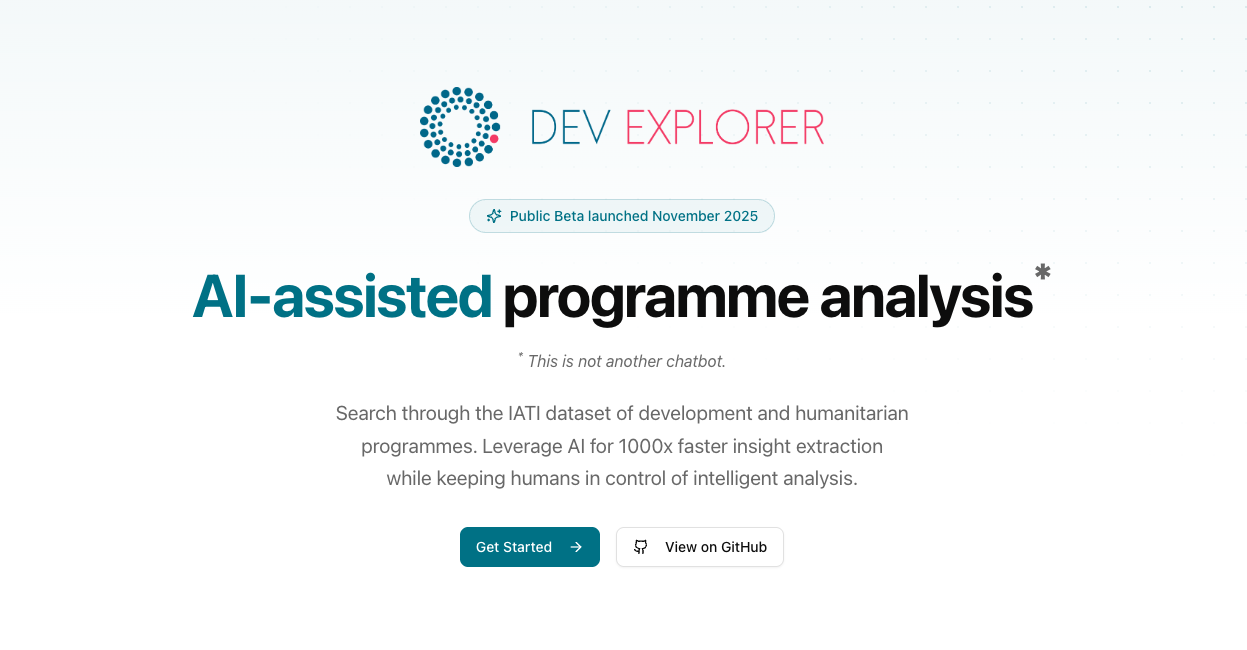
A tool to synthesise development evidence in less than 10 minutes
In 2014, the World Bank reported that 31% of the reports they put online had “never been downloaded, ever, by anyone." International development organisations publish tens of thousands of documents every year, and most practitioners only have time to read a tiny fraction of what's relevant to their work. This means useful evidence gets missed.
DevExplorer uses large language models to retrieve and synthesise information from the IATI database, pulling together insights from annual reviews, evaluations, and business cases that would otherwise remain siloed. For example, it can synthesise outcomes across multiple food security initiatives in Yemen or compare approaches to climate adaptation across regions.
As FCDO Co-Pioneer Seb Mhatre explains, "The process of searching for, extracting, summarising and categorising key lessons, results or partnerships from 50 programmes and presenting it in a usefulformat would likely take a person over 20 hours. DevExplorer enables the same person to accomplish the same task in under 10 minutes."
It’s just launched in Public Beta, so try it yourself! https://www.devexplorer.ai/
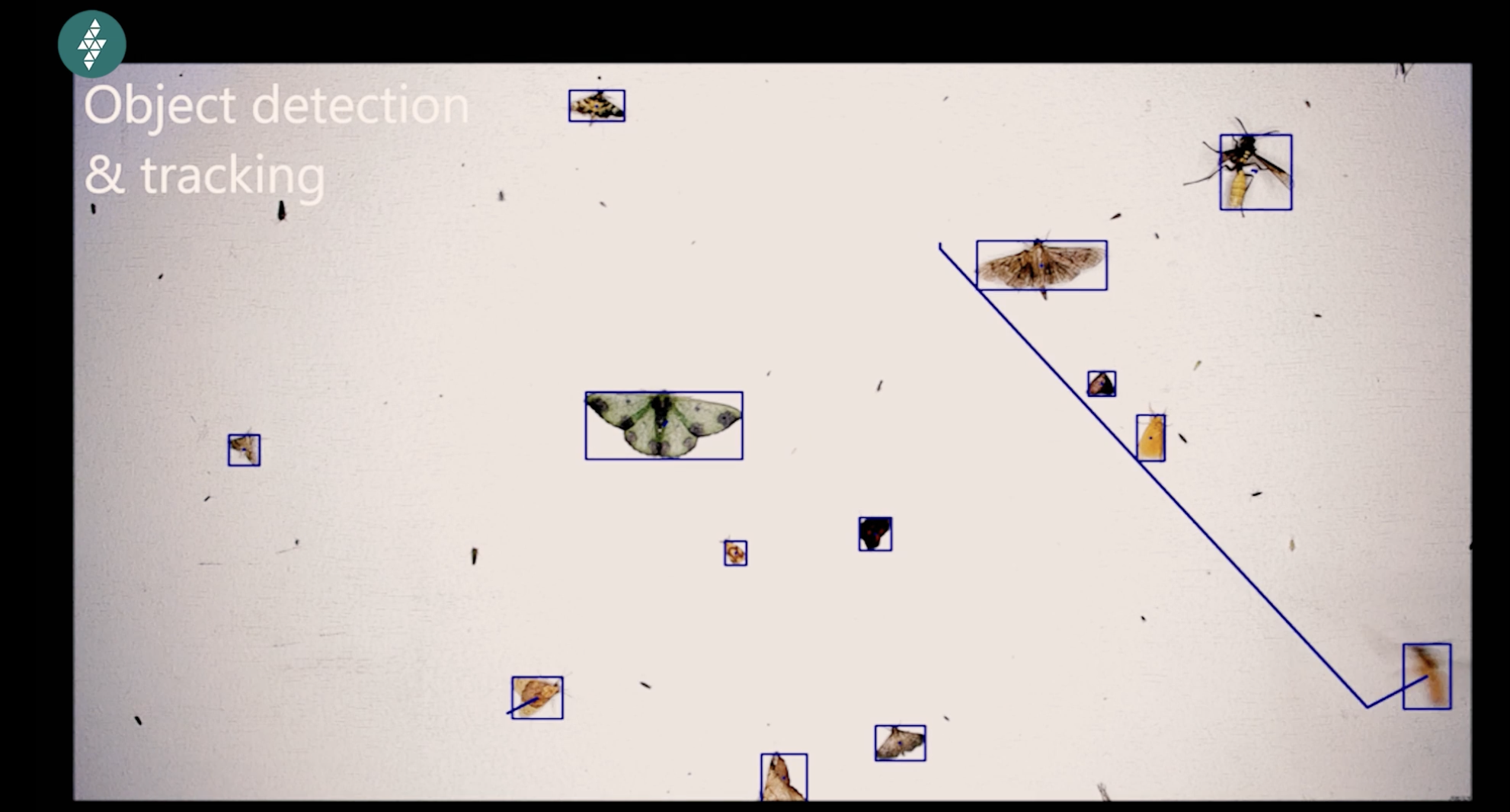
AI-powered biodiversity monitoring: From 30 years to 2 weeks
In Kenya, one pilot adapted a UK-developed acoustic monitoring system for insects, making it manufacturable locally at half the original cost. The technology uses AI to analyse sound data that would be impossible to process manually.
As Dr Jenna Lawson from the UK Centre for Ecology & Hydrology puts it: "I collected 100,000 hours of acoustic recordings and worked out that it would take 30 years to go through the data. Whereas when we built the AI classifier to run the data through, it took two weeks."
We have so much AI capability to share, and this story shows what good tech transfer looks like in practice: co-designing a locally manufacturable system, adapted for new environments. This approach to capacity-building is exactly what world leaders called for at COP16 last year. After all, unlike ChatGPT, we actually remember what happened before this conversation started.
Explore the film and report here: https://www.frontiertechhub.org/uk-tech-for-global-biodiversity
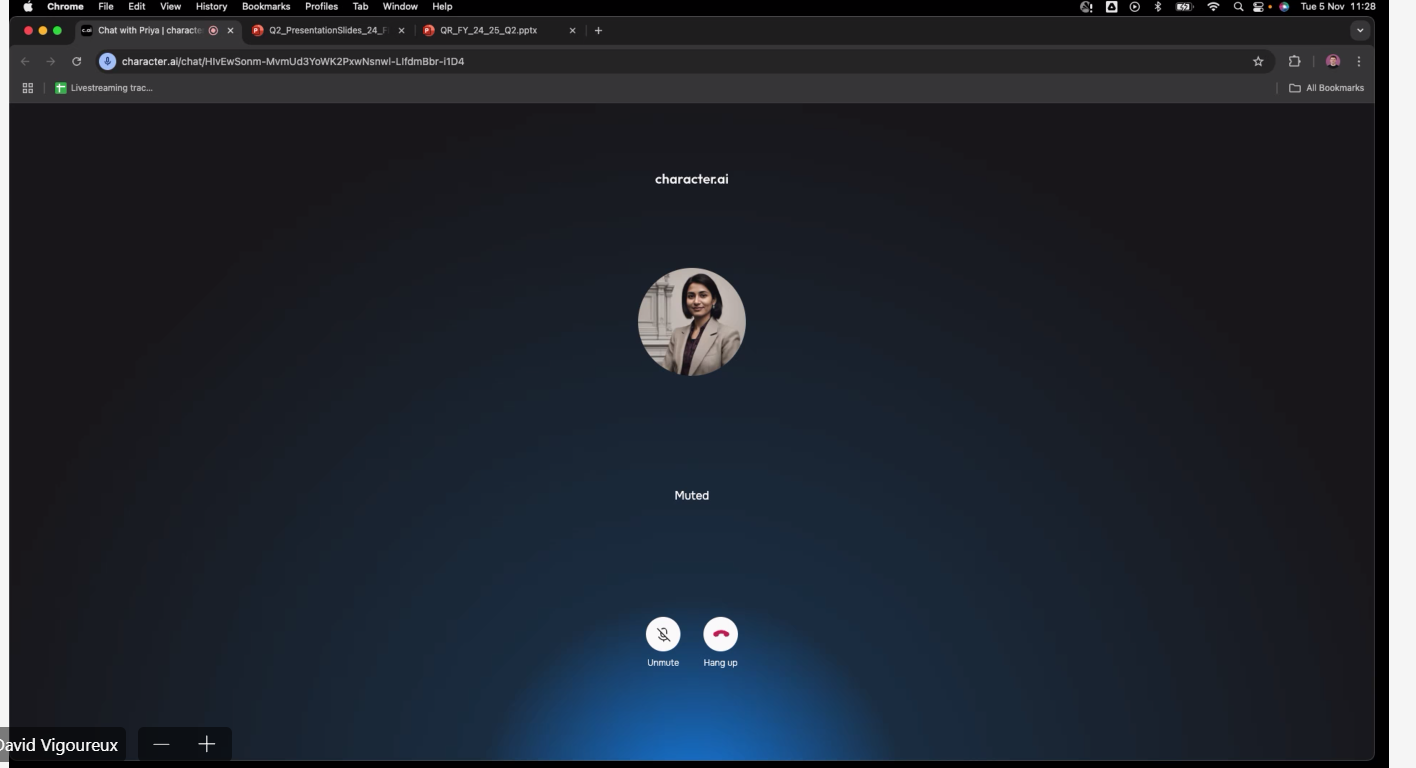
Putting AI to work: imagining the future of diplomacy
When we asked FCDO staff in 2023 how they felt about AI, many were excited but also anxious and overwhelmed. So we used strategic foresight—a proven methodology across UK Government for exploring emerging trends and multiple futures—to help teams spot possible scenarios and prepare for them. Watch out, everyone: Santa's workshop isn’t the only one now running on prompts and vibes.
For the UK Mission to Geneva, we created an immersive "Fieldtrip to the Future," complete with fictional AI agents from 2034. Meet Priya, a chatbot designed to assist in negotiations, and DiploBot, an ethical AI model trained on human rights principles. Both show the astonishing abilities of AI to support diplomacy work in the future (but ask either to navigate the messy reality of human egos or political compromise, and you may well hear: "That falls outside my decision matrix.")
The work explored five key trends—from AI-driven misinformation campaigns to knowledge retrieval systems that could transform diplomatic roles—and invited staff to visit scenarios from 2034. The exercise wasn't about predicting the future. It was about building the imaginative muscle to anticipate change and make better decisions today.
Explore the project: https://www.frontiertechhub.org/fttf-ai-and-diplomacy
The common thread
These three examples prove that the best way to harness AI is to start with the most human skill of them all: curiosity.
DevExplorer began with conversations, not code. The diplomacy project pursued imagination before implementation. The biodiversity pilot co-designed before deploying.
As AI becomes more integrated into daily work, we need both the pragmatism of "here's how AI solves X" and the playfulness of "what if we try Y?"
The best way to unwrap AI's potential? One experiment at a time.
If you’d like to dig in further…
🚀 FT's December newsletter will be exploring how AI is being harnessed for information integrity in Eastern Europe. Sign up to receive it.
📚 What does AI mean for data analysts in government? Read our latest blog.
📝 Our AI:AI learning journey explores AI's value, barriers and ethics in development.barriers and ethics in development.
Date published: 17th December 2026