
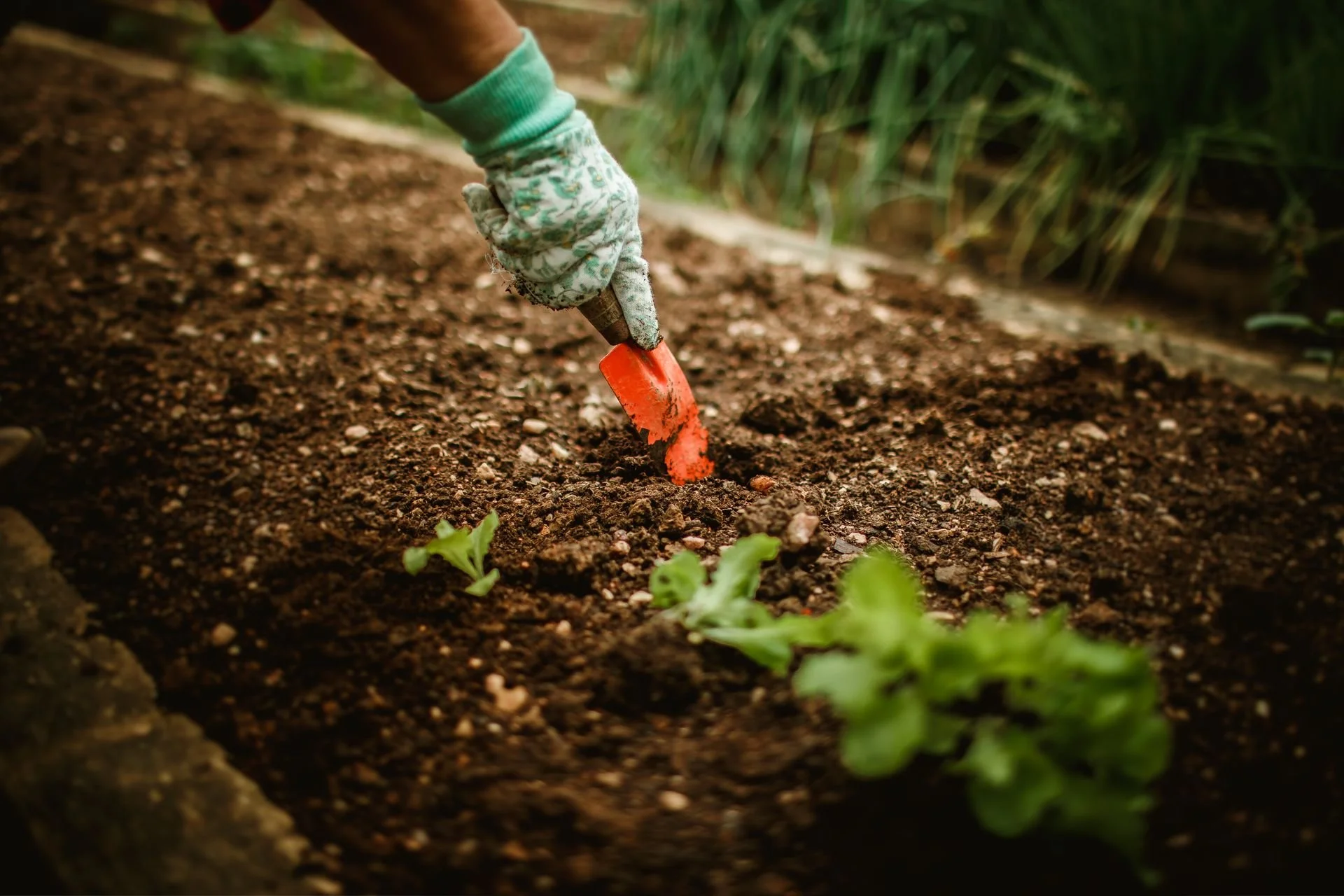
The little maker taking on global supply chains
The Hub's funding and proof of concept now allows us to unlock reshoring and localised manufacturing for organisations and companies of unlimited size.
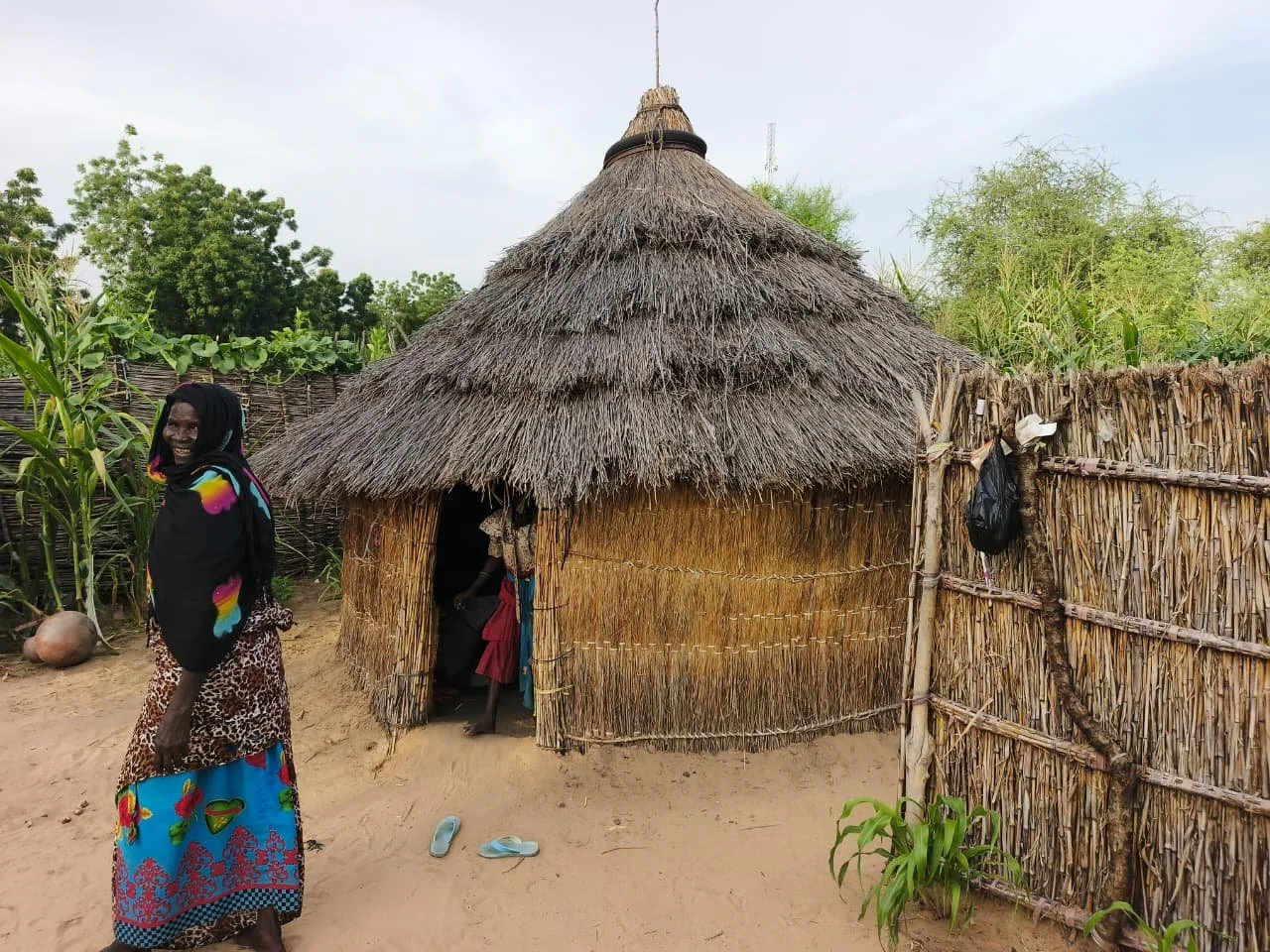
Rediscovering the wisdom of the past
The Cool by Design pilot is exploring whether passive cooling techniques can help shape shelter that is adapted to a hotter future.
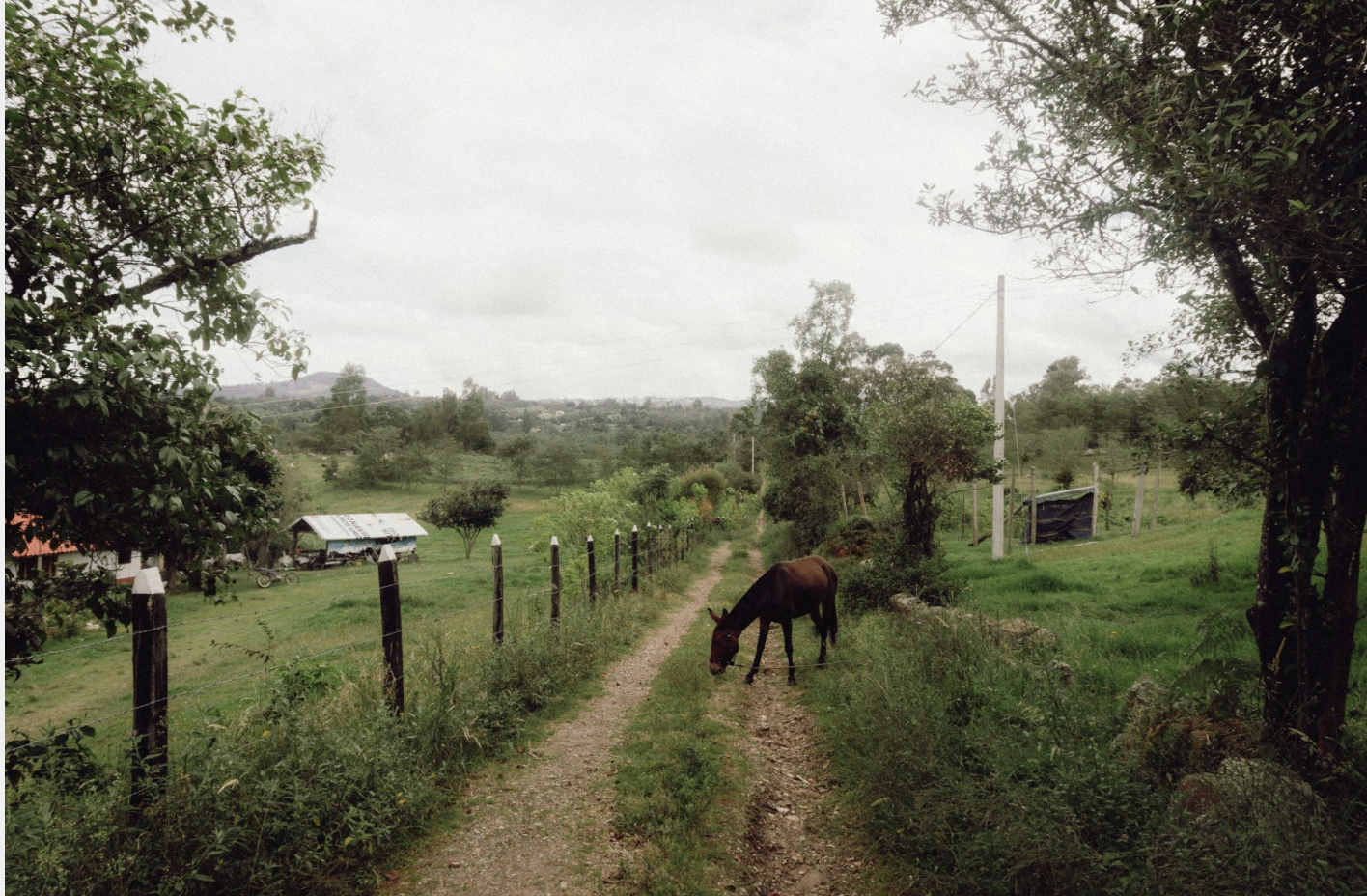
Justice in the fields
Exploring shared challenges around widening access to justice, from the courts of East Africa to the fields of Colombia.
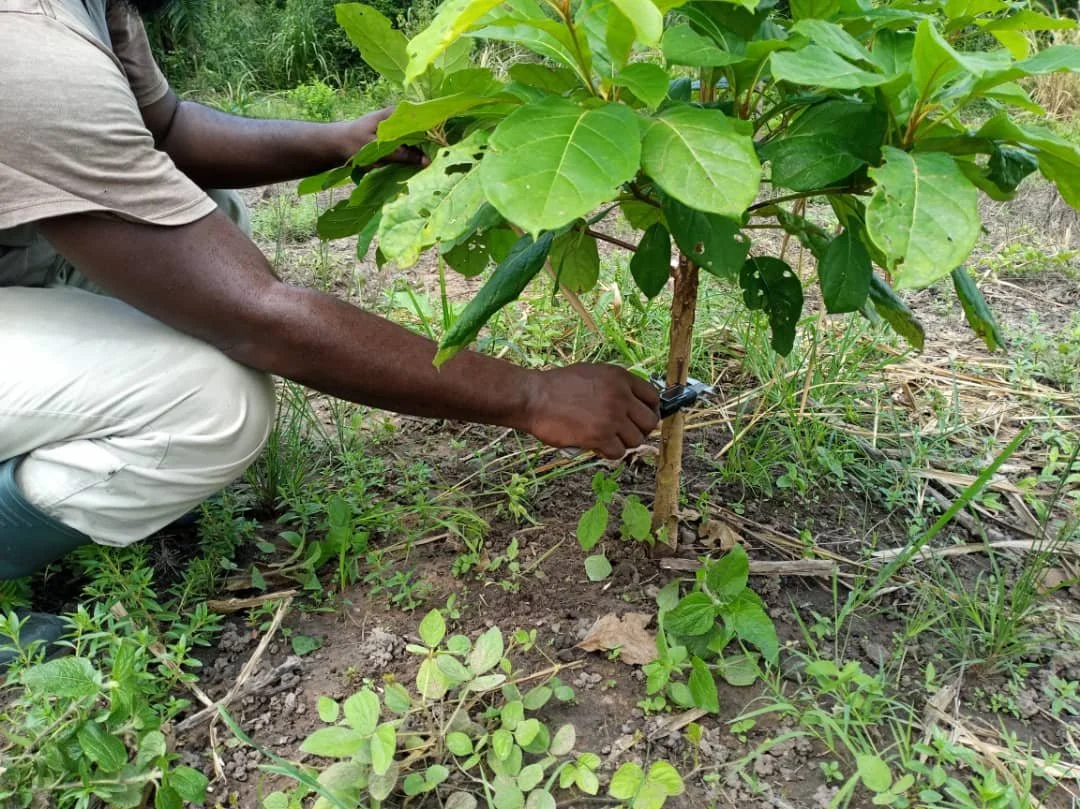
One hill down, a forest of hills to go
Three years after its FT Hub pilot, Oko Forests is glad it stopped to read the map.
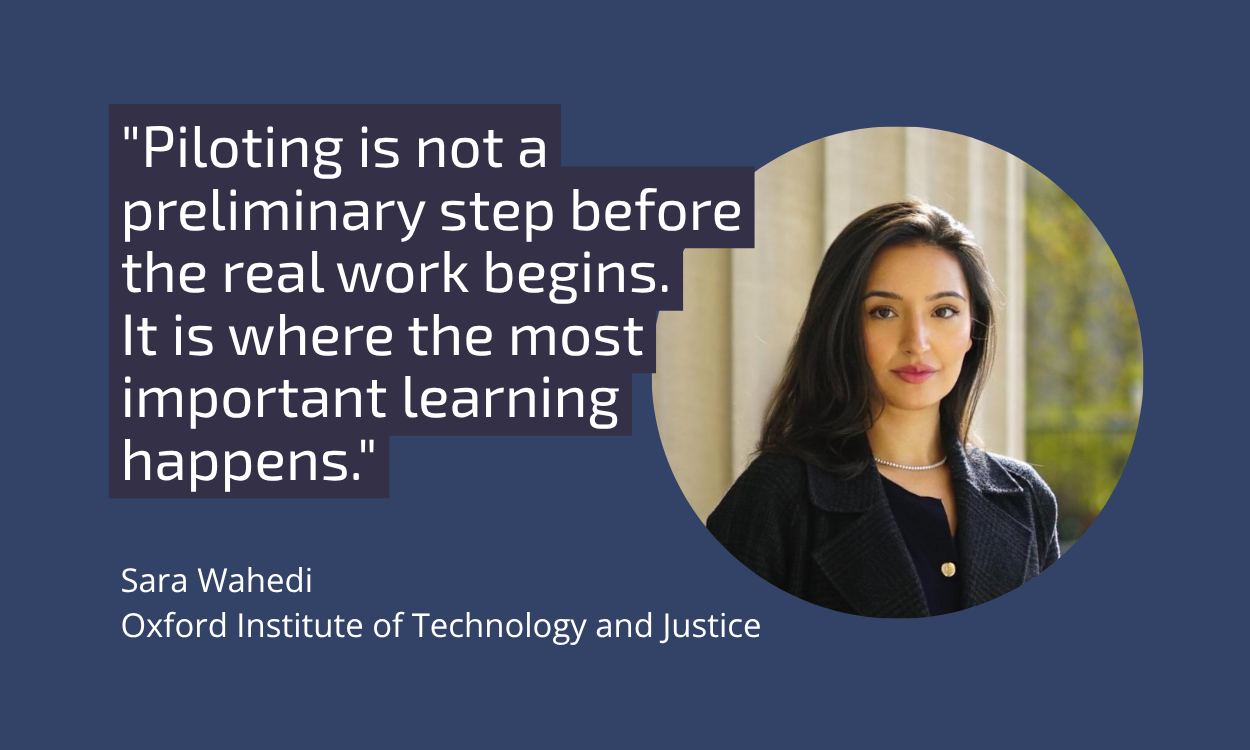
What the Oxford Institute of Technology and Justice taught us about testing tech for justice
Reflecting on insights from our Access to Justice Learning Brief with Sara Wahedi at the Oxford Institute of Technology and Justice.

The solutions that already exist
12 September is the International Day for South-South Cooperation. This year's theme, Solidarity Rising, rests on the observation that proven solutions already exist across the Global South, but too often they stay fragmented and hard to reach.
Making climate risk investable: our first portfolio learnings
A new film and report sharing what we learned from our first climate adaptation portfolio. Can frontier technologies turn climate risk into something someone is willing to pay for?

What does international development look like in the Age of AI?
As we end our AI mini-series, join us for a Field Trip to the Future.

Are we about to waste it?
From Sierra Leone to Sri Lanka: the case for building AI together.
What happens when the algorithm marks its own homework?
The responsible AI decisions that matter most rarely arrive labelled as such.
Access to Justice: a new learning brief
Introducing our latest learning brief on integrating AI and other technologies to improve access to justice for survivors in low-resource and post-conflict settings
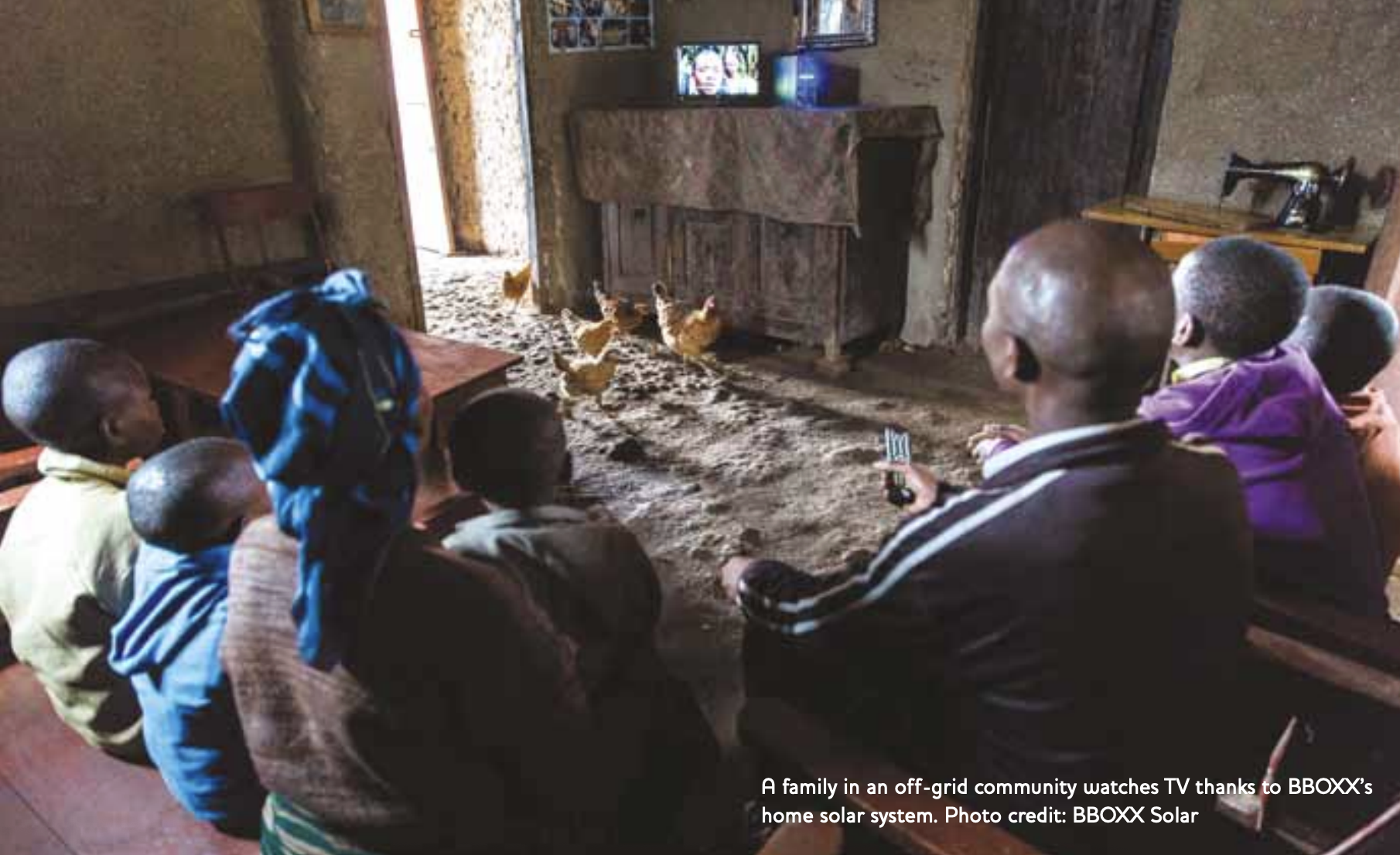
The age of AI: Ten years in, looking ten years on
Ten years ago, tech was stuff you could pick up and drop on your toes. Now it’s often AI + X. What might AI make newly possible for people doing development in the future?
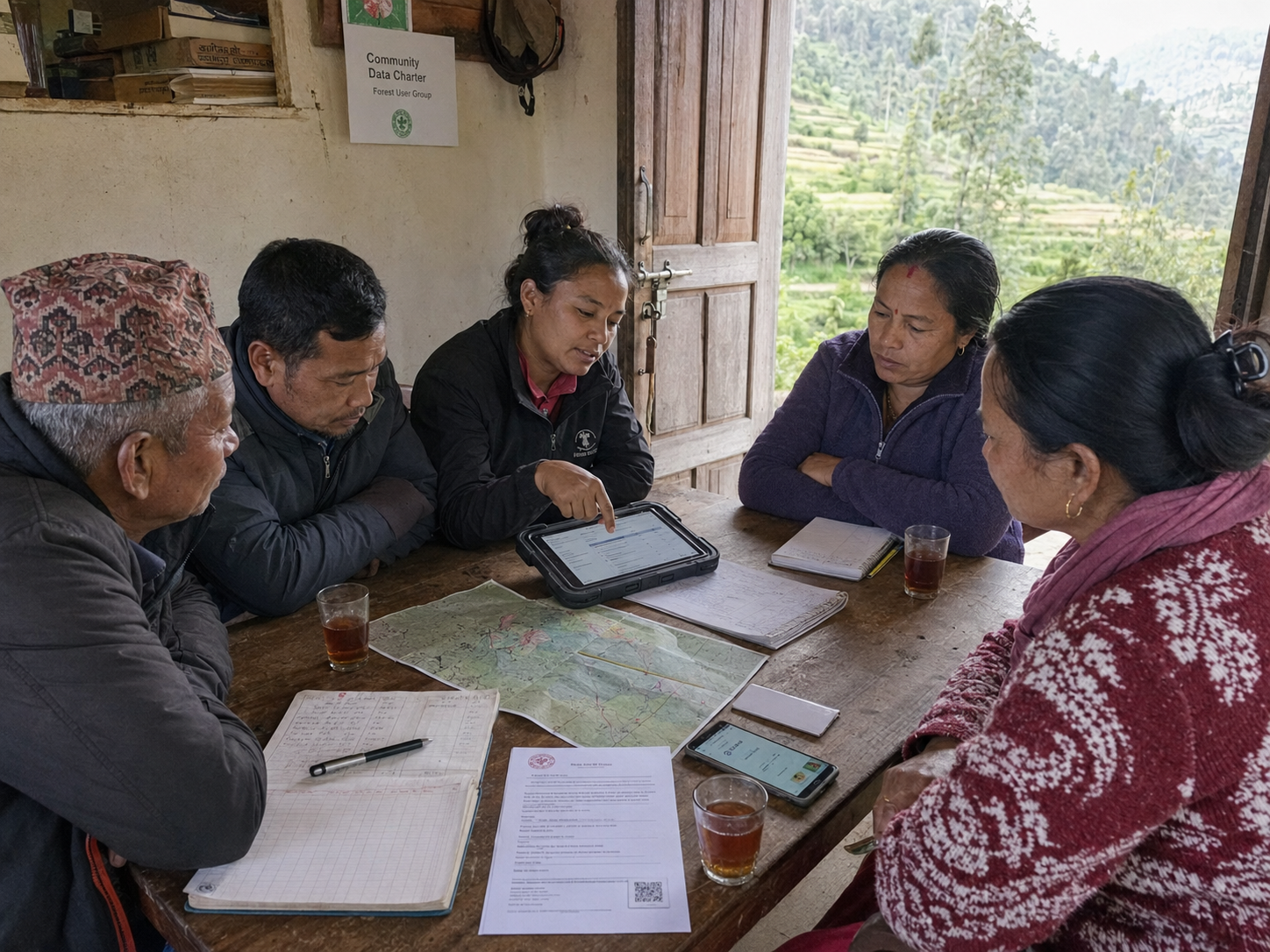
The age of AI: what's worth testing in the future that’s emerging?
Fitting AI to real systems, building institutions that can work with it, and testing new arrangements that shift power over how it is developed and used.

If you're not online, are you in the future?
AI is a snapshot of the past. Ten years of AI pilots taught us that the constraint is rarely the algorithm.
The road to OASIS (and an invitation to use it yourself)
OASIS is a shared, open home for AI in development, where practitioners can find, discuss and build on each other's work rather than starting from scratch. Come and join us.
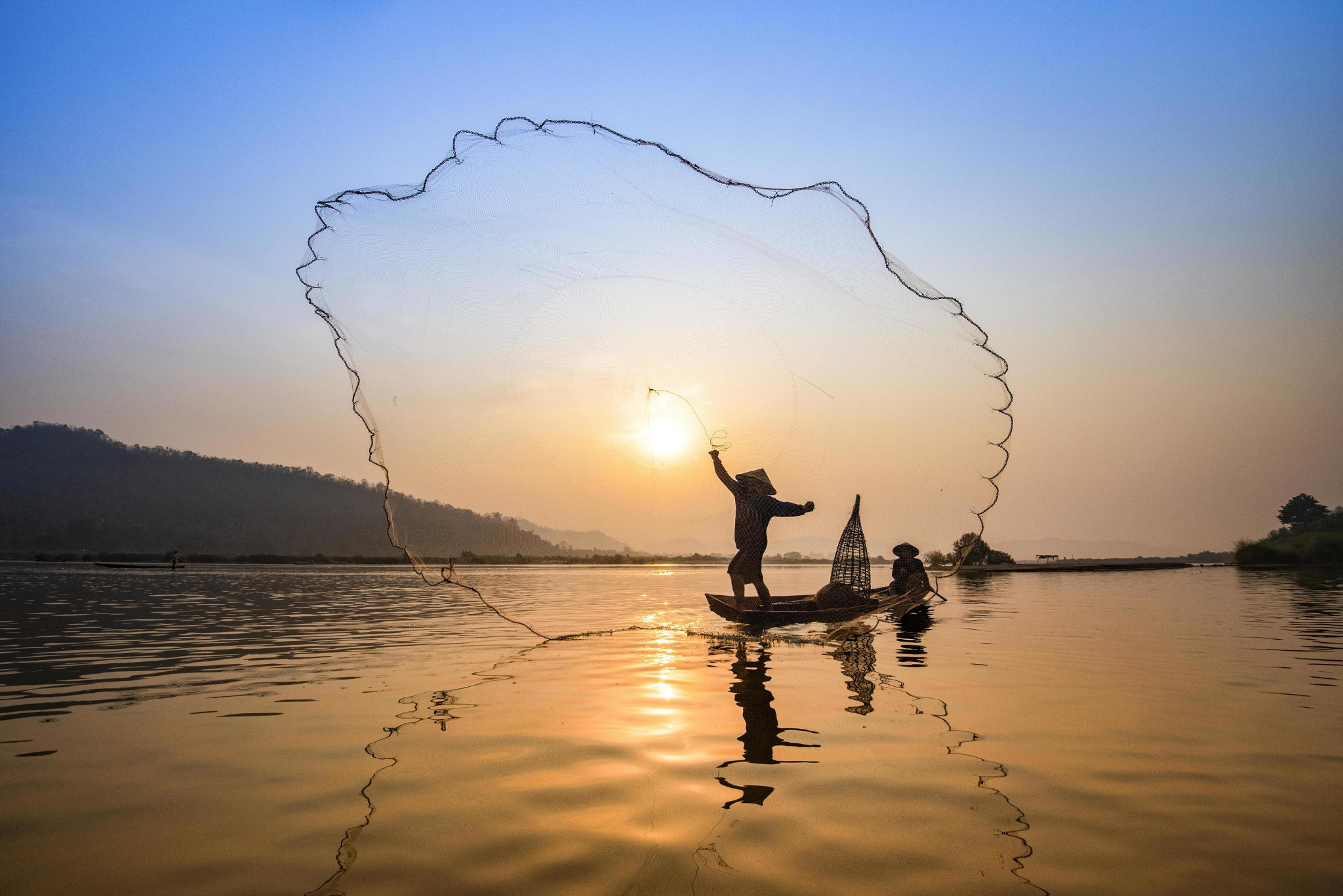
Systemic investing and the path to stabilise our food systems from climate risks
We explore what the next phase of adaptation finance could look like for food supply chains exposed to climate shocks.
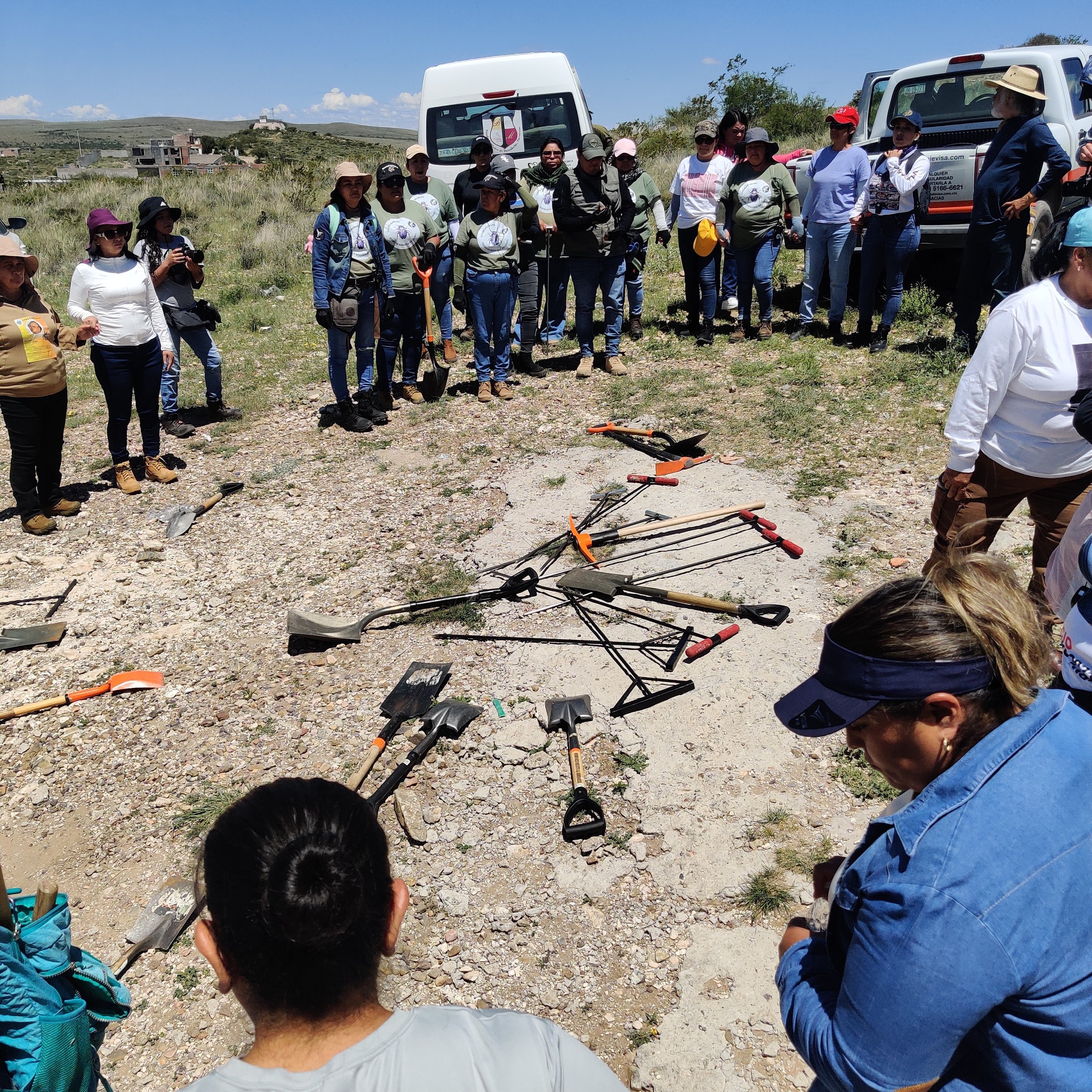
An ethics for the disappeared in a technological age
What does ethical action look like when humanitarian crises intersect with rapidly advancing technologies? Eight ethical lessons from the frontier of forensic technologies.
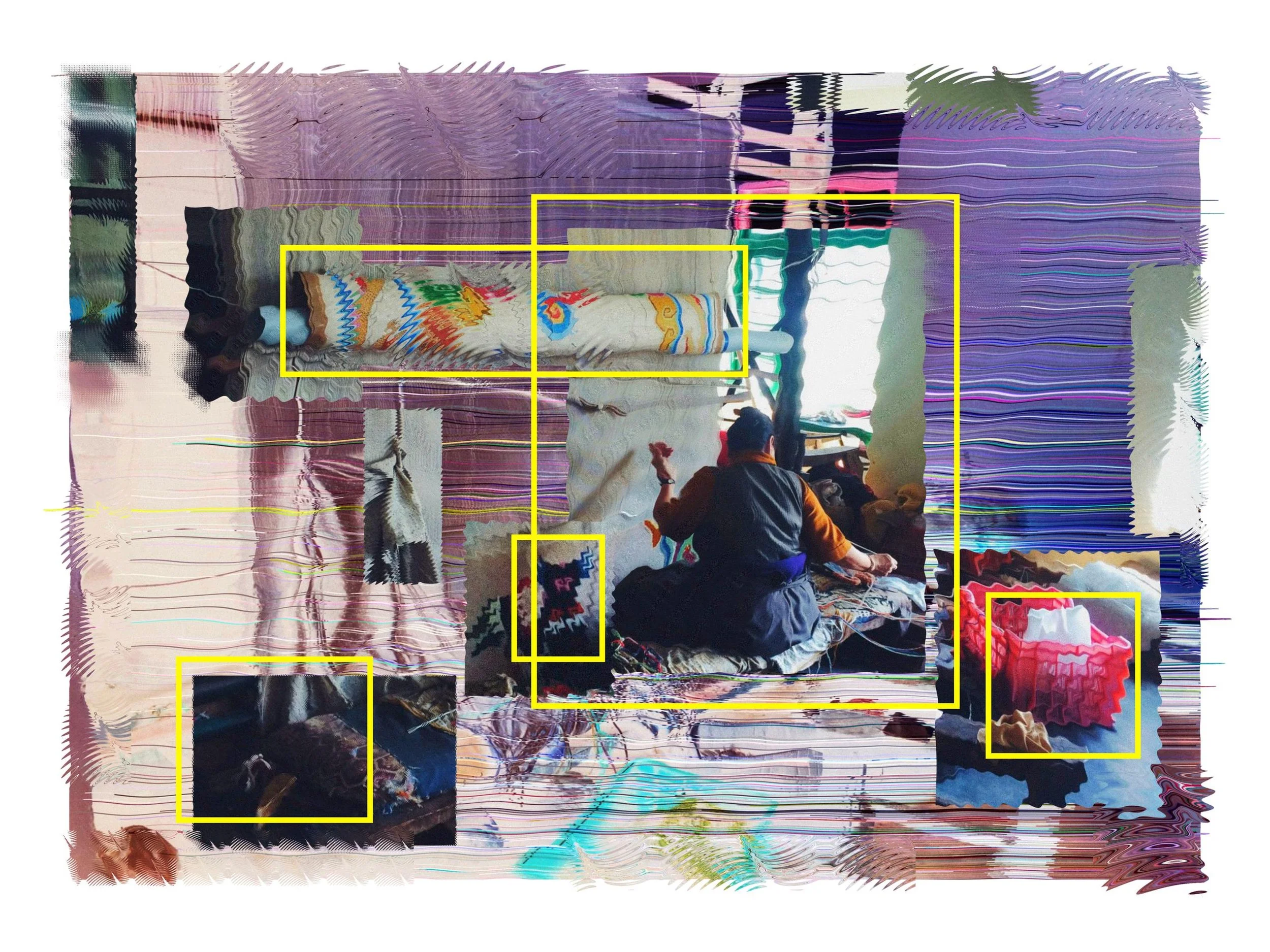
Responsible AI on the Frontier
The value of testing something imperfect often outweighs the cost of not testing it at all.
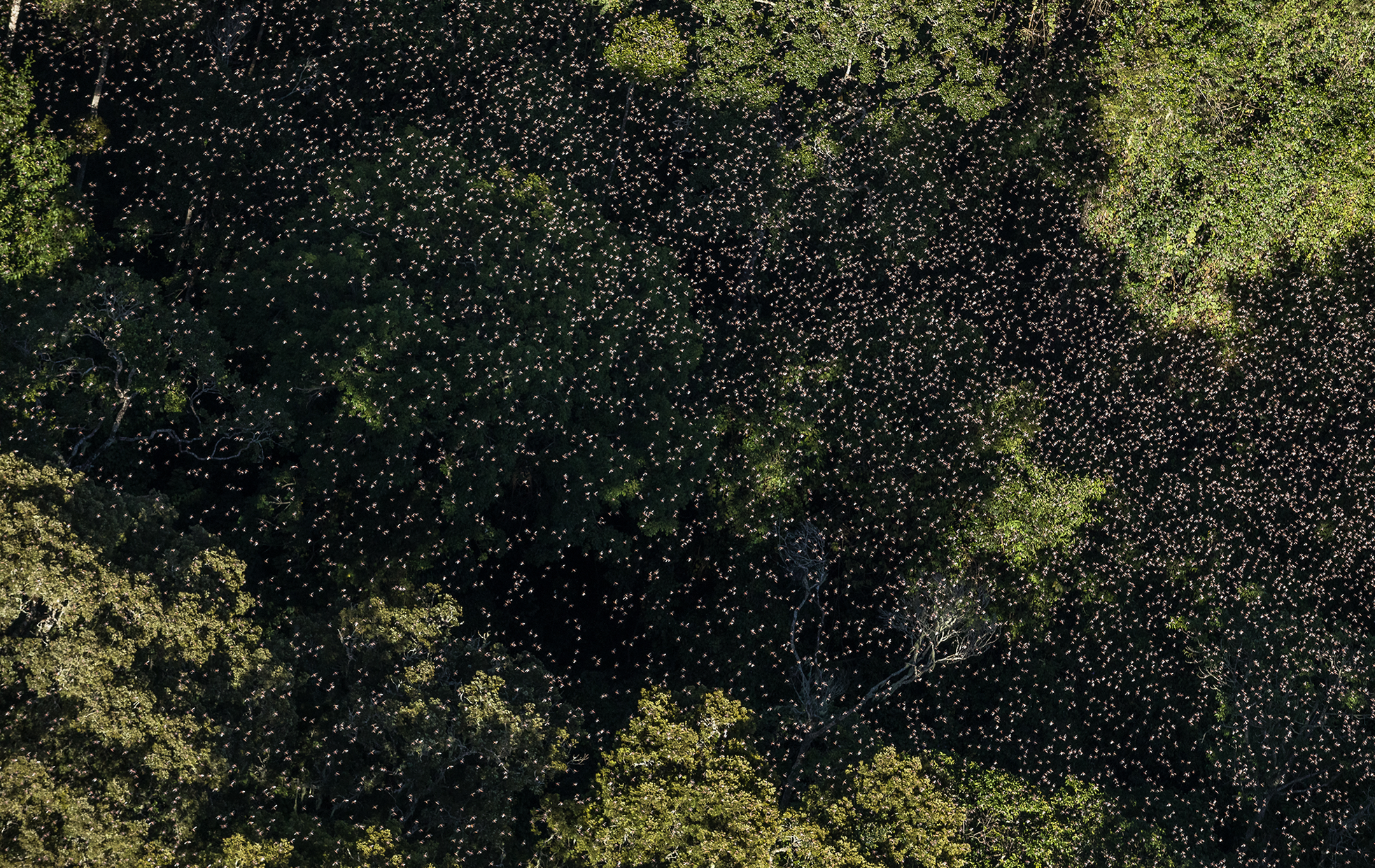
The pilot ended, but the flying didn’t
Could drones help control desert locusts? A simple question, with a five year answer.
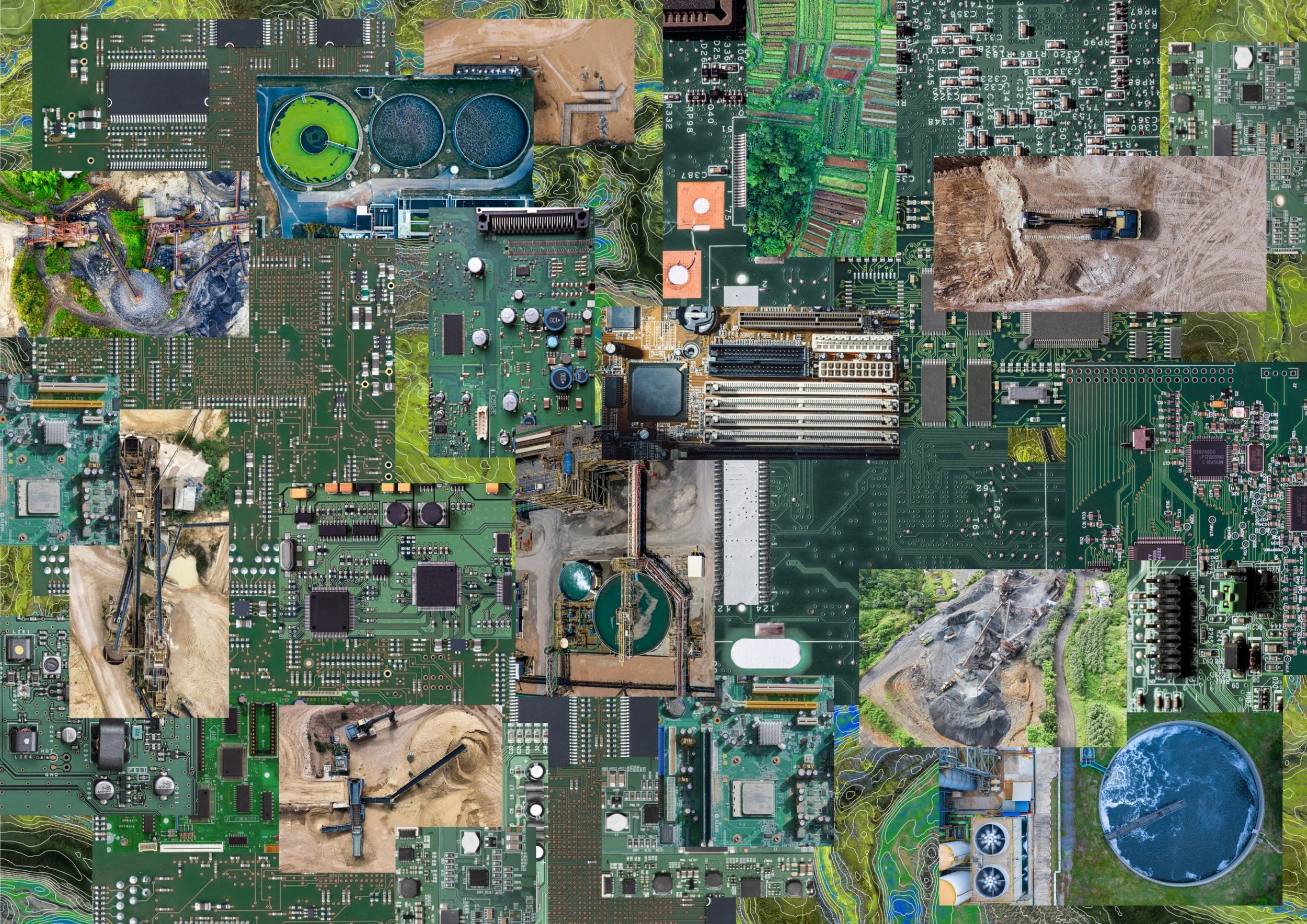
Piloting AI before it became mainstream
How can you cut through the noise of superabundant AI content? By telling stories of impactful AI that no one has ever heard before.