

The little maker taking on global supply chains
The Hub's funding and proof of concept now allows us to unlock reshoring and localised manufacturing for organisations and companies of unlimited size.
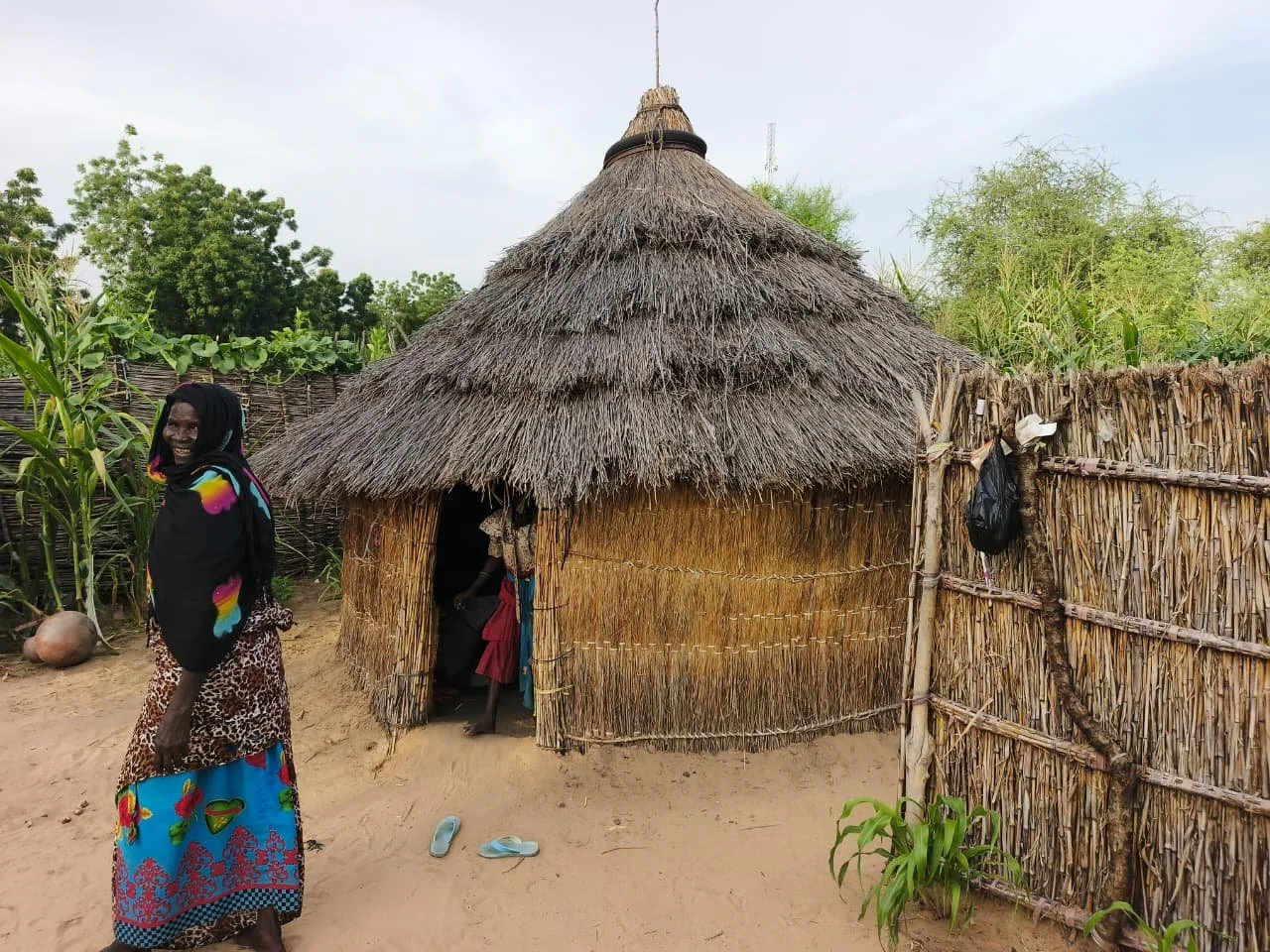
Rediscovering the wisdom of the past
The Cool by Design pilot is exploring whether passive cooling techniques can help shape shelter that is adapted to a hotter future.
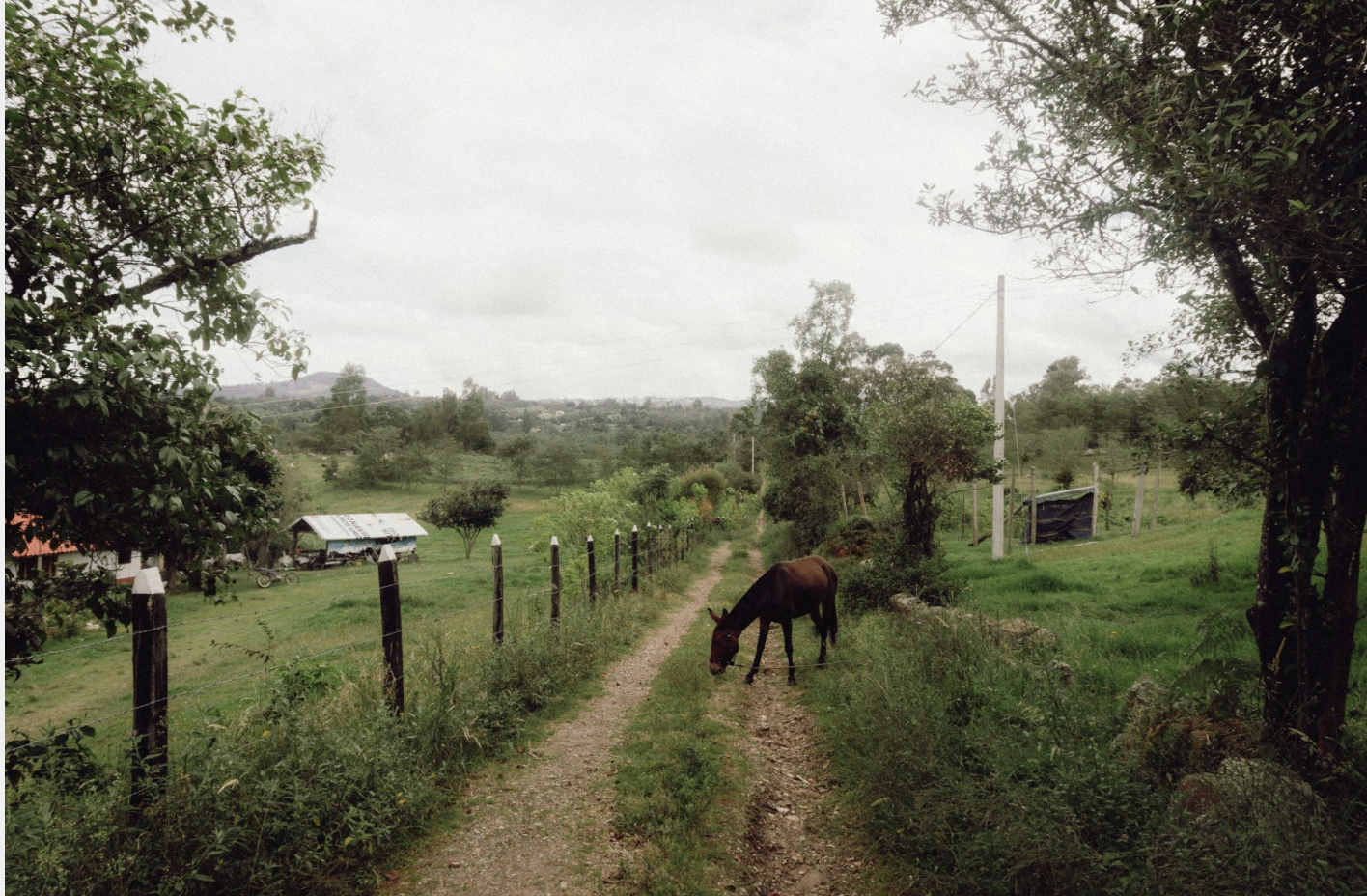
Justice in the fields
Exploring shared challenges around widening access to justice, from the courts of East Africa to the fields of Colombia.
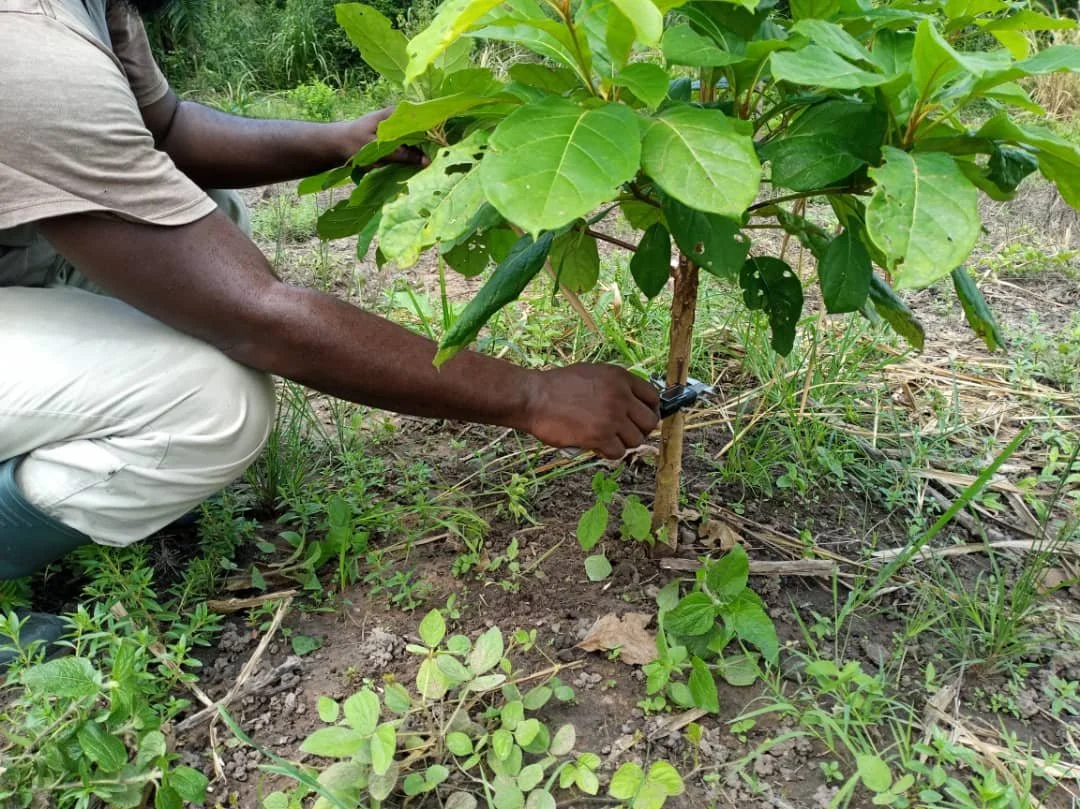
One hill down, a forest of hills to go
Three years after its FT Hub pilot, Oko Forests is glad it stopped to read the map.

Changing the user, not the technology
When building a tool to improve access to justice for women in Tanzania our biggest successes came from more than just improving the AI architecture.
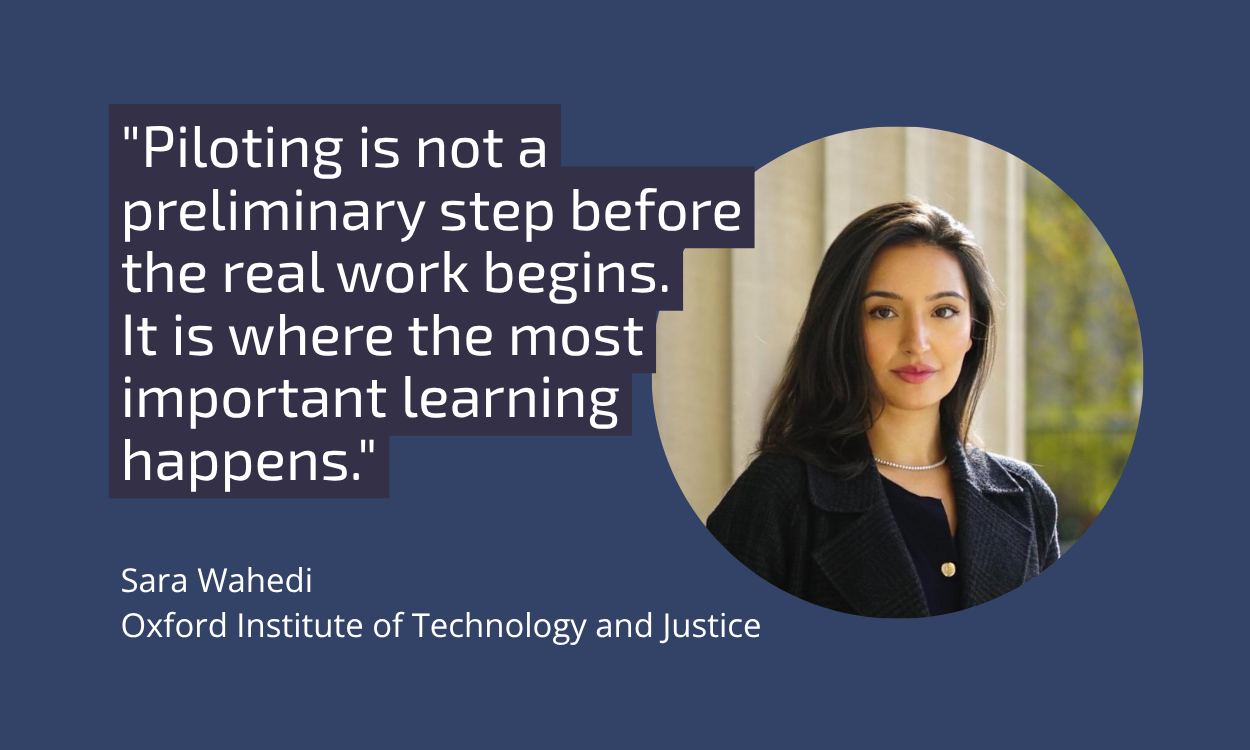
What the Oxford Institute of Technology and Justice taught us about testing tech for justice
Reflecting on insights from our Access to Justice Learning Brief with Sara Wahedi at the Oxford Institute of Technology and Justice.

Could designing for the "furthest first" close Tanzania's justice gap?
When a woman in Tanzania goes to the police, she will often be told that the problem she’s facing, whether it is around inheritance or gender-based violence, is a domestic issue. Therefore, it’s not something for them to intervene in. That response is legally wrong, but unless she knows that, it’s the last she’ll hear on the matter.

The solutions that already exist
12 September is the International Day for South-South Cooperation. This year's theme, Solidarity Rising, rests on the observation that proven solutions already exist across the Global South, but too often they stay fragmented and hard to reach.
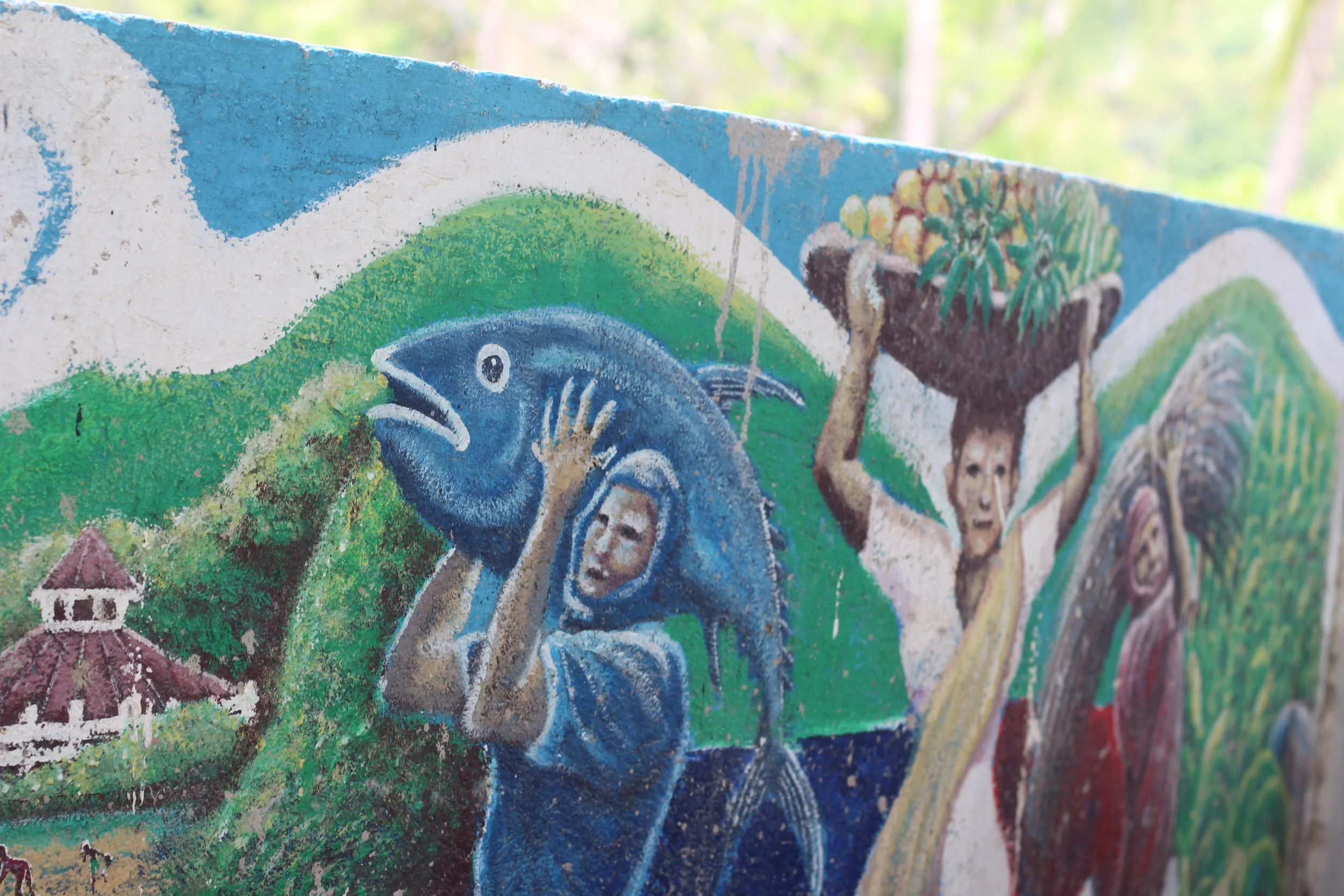
Making climate risk investable: our first portfolio learnings
A new film and report sharing what we learned from our first climate adaptation portfolio. Can frontier technologies turn climate risk into something someone is willing to pay for?
Access to Justice: a new learning brief
Introducing our latest learning brief on integrating AI and other technologies to improve access to justice for survivors in low-resource and post-conflict settings
The road to OASIS (and an invitation to use it yourself)
OASIS is a shared, open home for AI in development, where practitioners can find, discuss and build on each other's work rather than starting from scratch. Come and join us.

Systemic investing and the path to stabilise our food systems from climate risks
We explore what the next phase of adaptation finance could look like for food supply chains exposed to climate shocks.
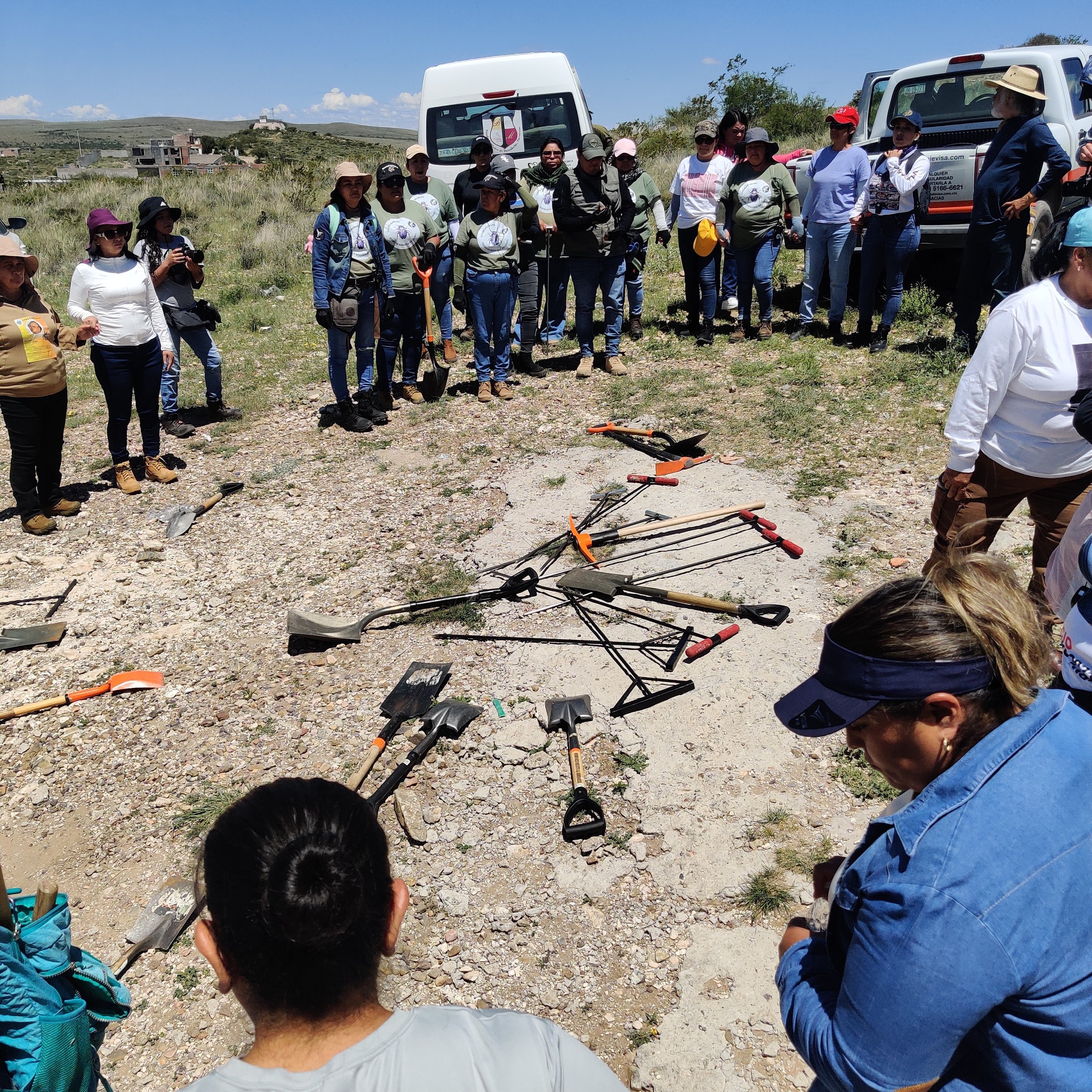
An ethics for the disappeared in a technological age
What does ethical action look like when humanitarian crises intersect with rapidly advancing technologies? Eight ethical lessons from the frontier of forensic technologies.
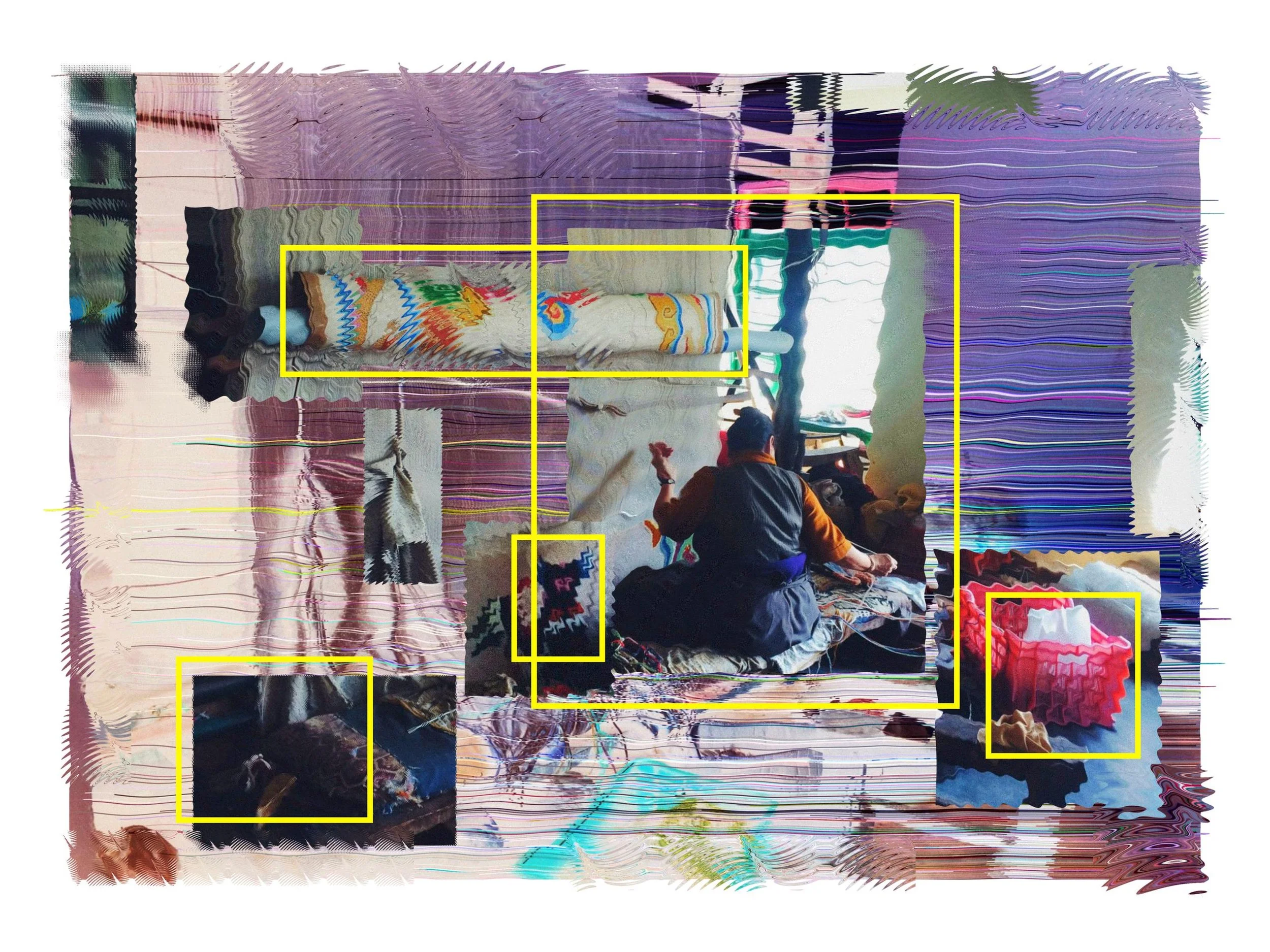
Responsible AI on the Frontier
The value of testing something imperfect often outweighs the cost of not testing it at all.
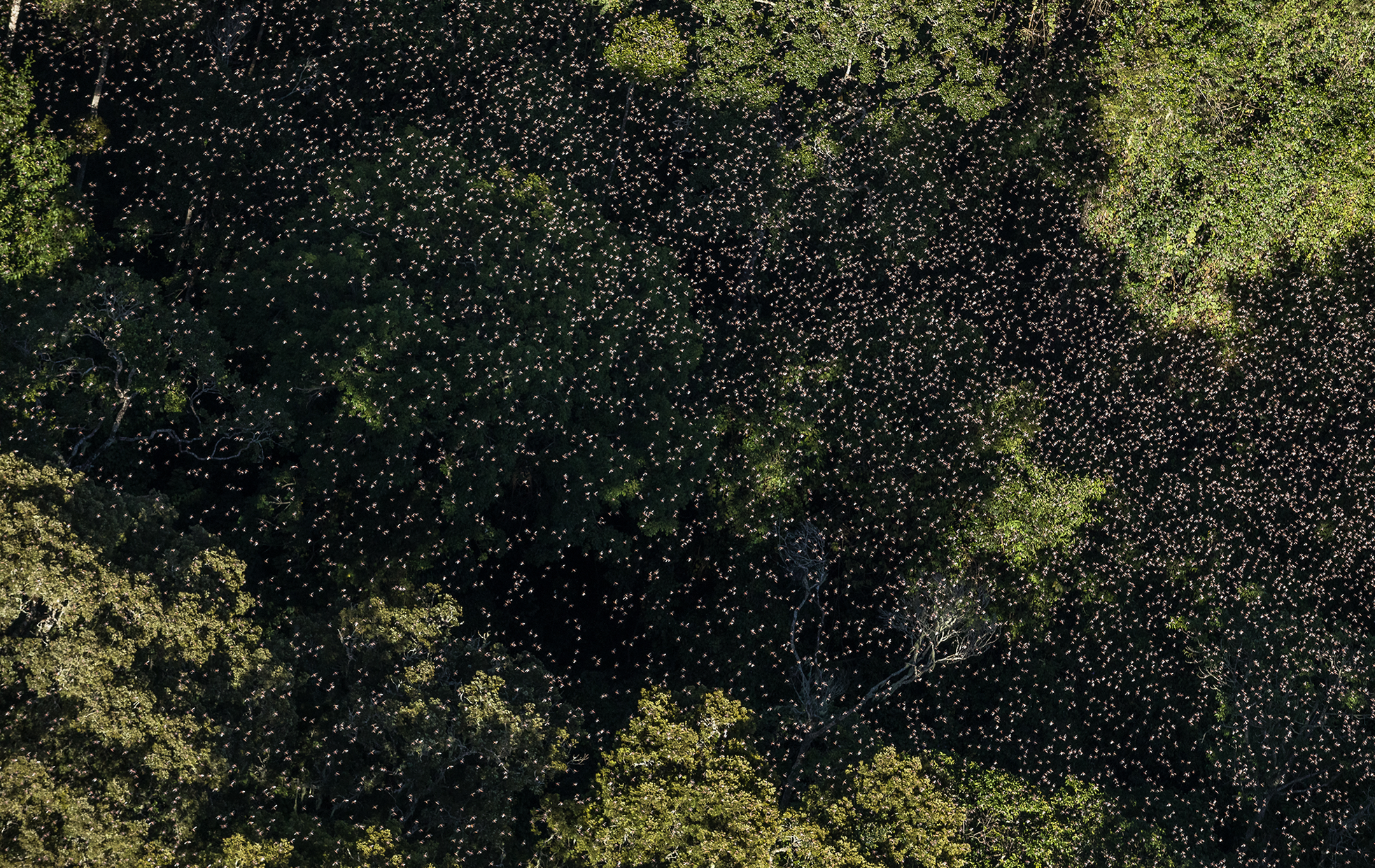
The pilot ended, but the flying didn’t
Could drones help control desert locusts? A simple question, with a five year answer.
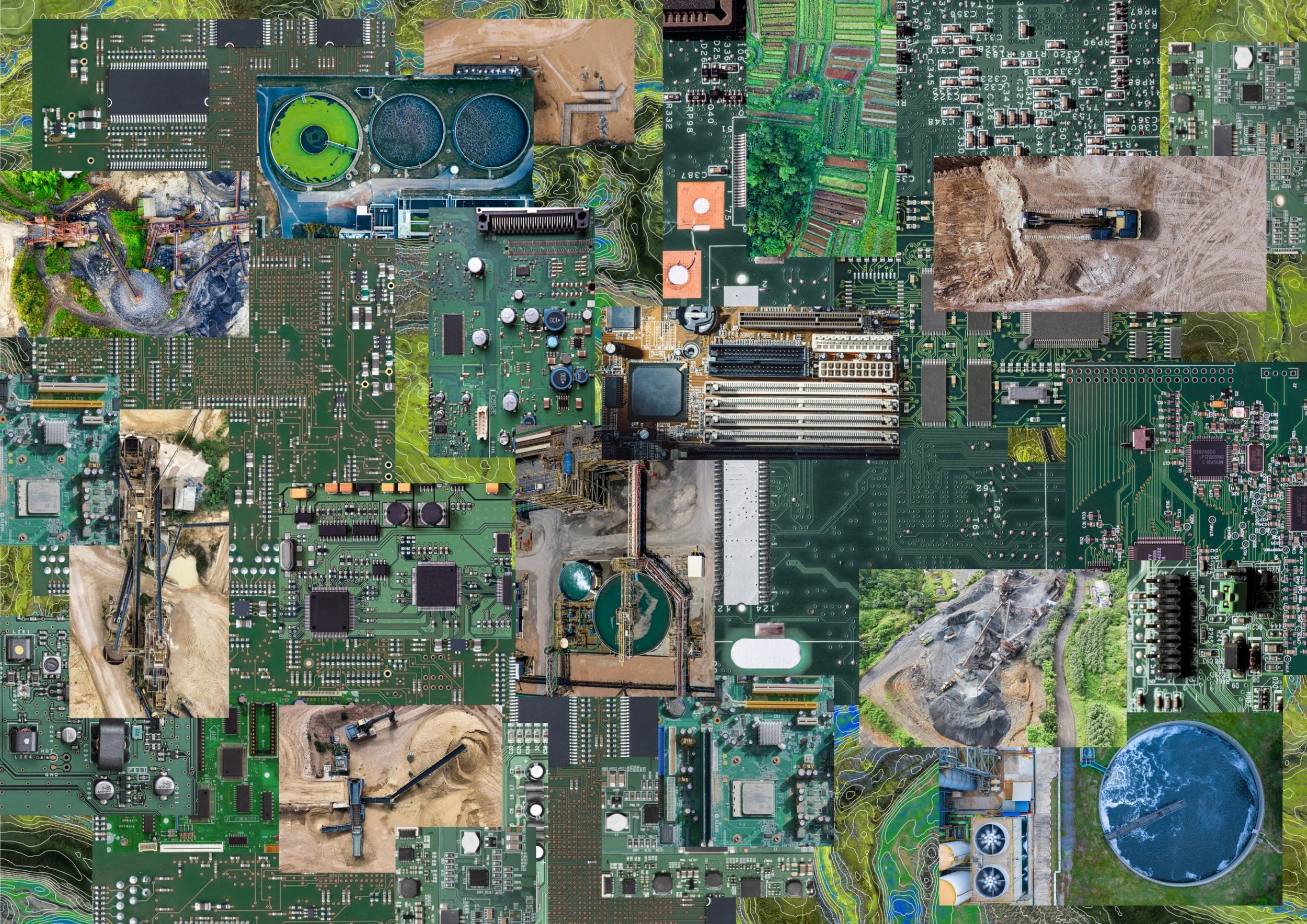
Piloting AI before it became mainstream
How can you cut through the noise of superabundant AI content? By telling stories of impactful AI that no one has ever heard before.

In the battle for trust, AI is a problem and can be a solution
Can AI enable civil society organisations, culturally and contextually embedded but often under-resourced, to act faster and at a more ambitious scale to create more resilient societies, and to detect mis- and disinformation initiatives more effectively?
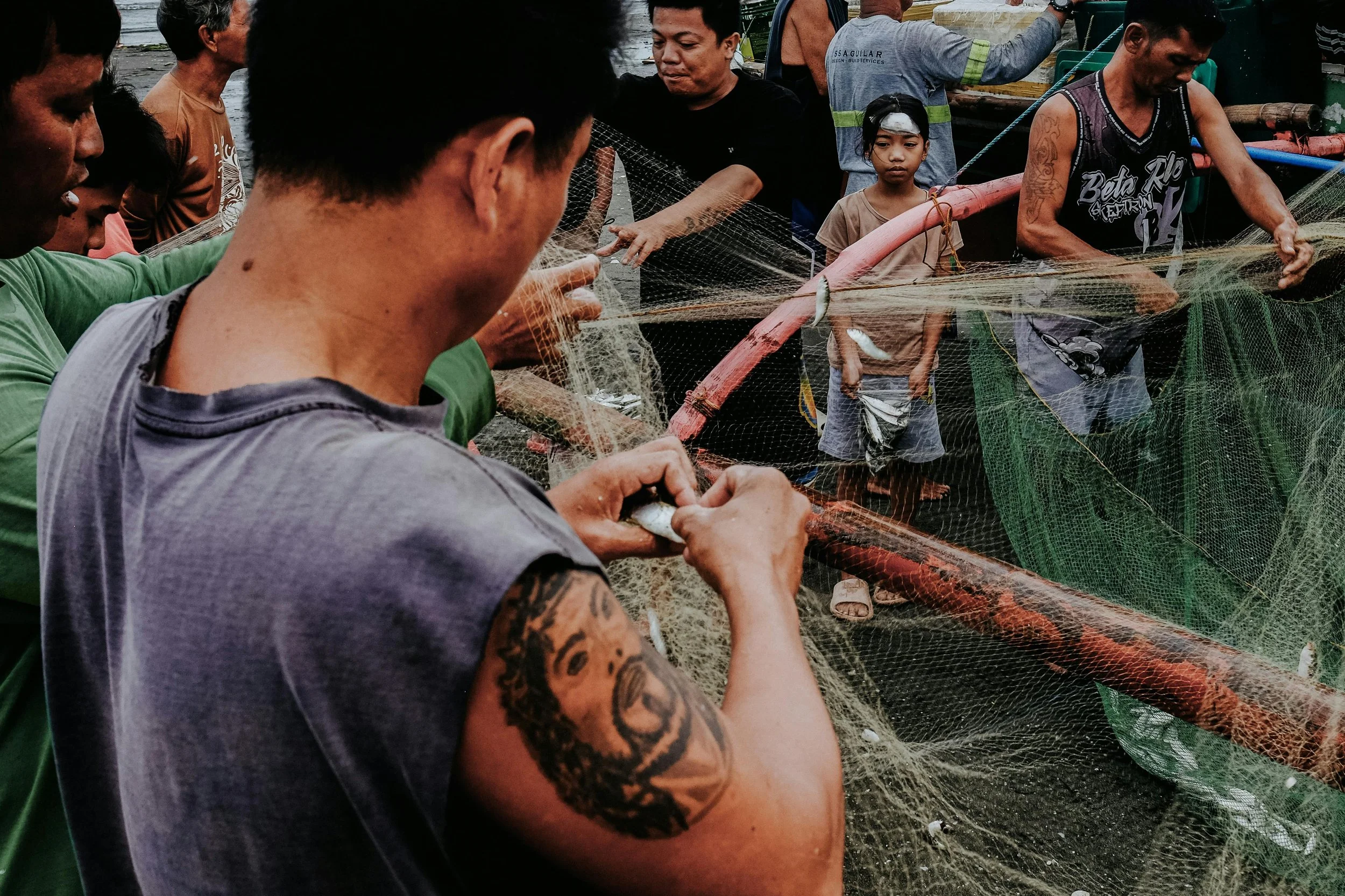
What investors really want to see in climate adaptation startups
Over the past year, the Frontier Tech Hub has been exploring how to diversify and scale capital into the critical area of climate adaptation and resilience. Here’s what we learned from our first three pilots.
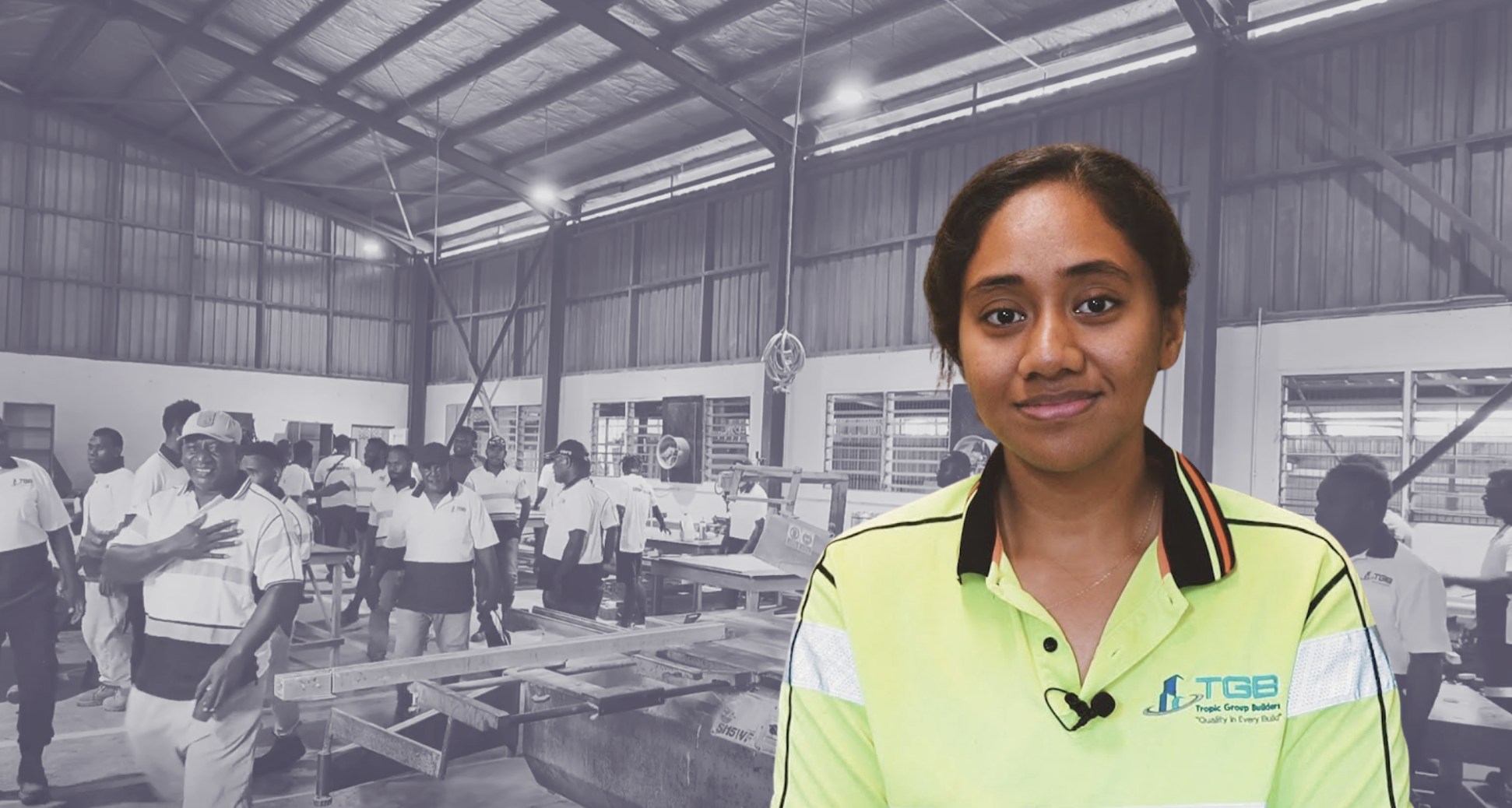
Vai’s story: the first frame, groove and complex cut
When the Solomon Islands’ first CNC milling machine arrived, the operator role needed to be familiar with the AutoCAD design software. In a company of nearly 100 people, six were women, and two of them knew AutoCAD: Vai, and her sister. The opportunity went to Vai.
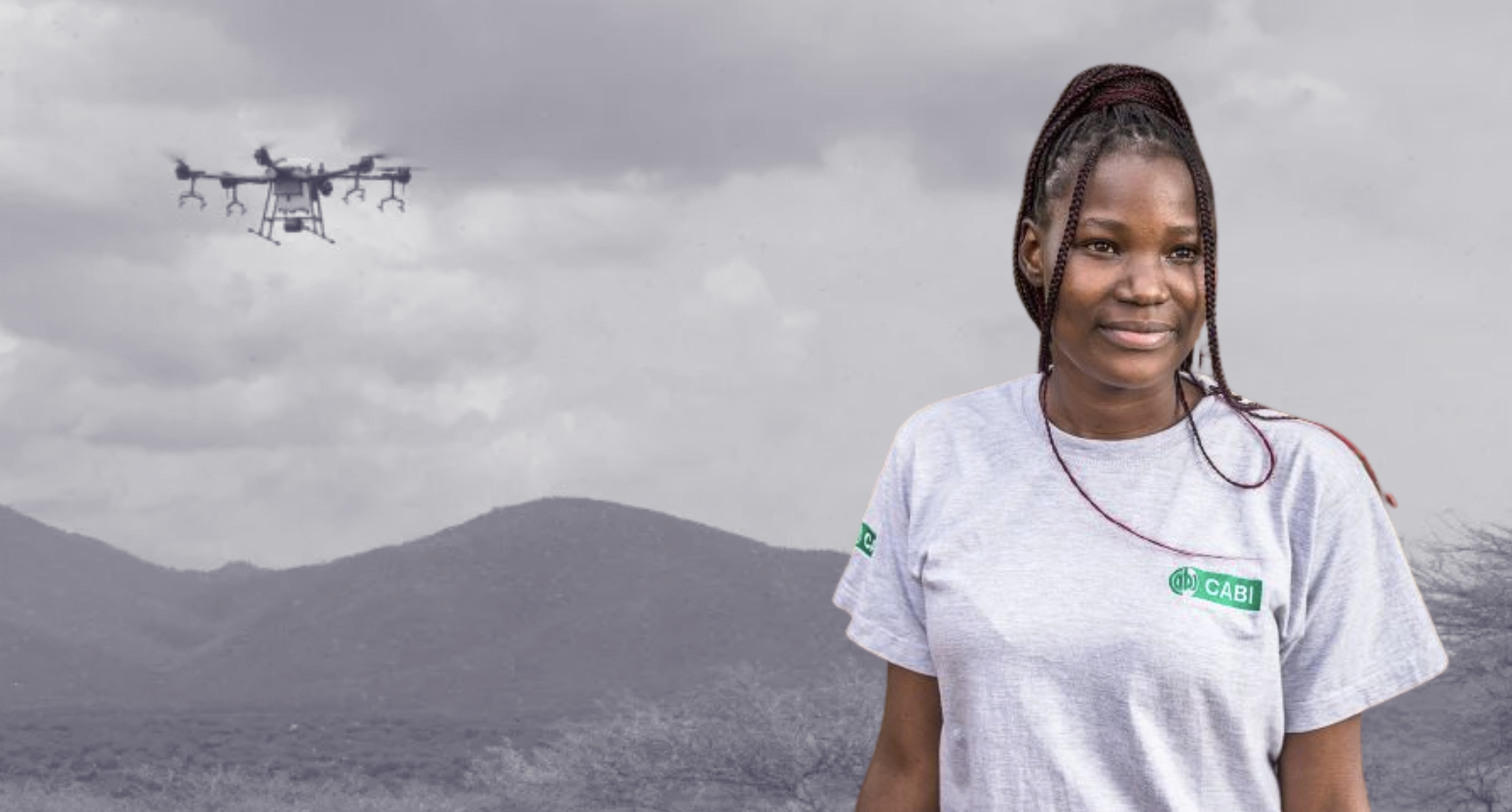
Violet’s story: navigating without a map
Today, Violet Ochieng is Kenya’s country representative for precision agriculture, in a field where around 90% of licensed pilots are men. She has built her expertise largely by finding her own way, and she is determined that the next generation will not have to do the same.