12 Frontier Films for the Festive Season
A blog by Lil Patuck, a member of the Frontier Tech Hub
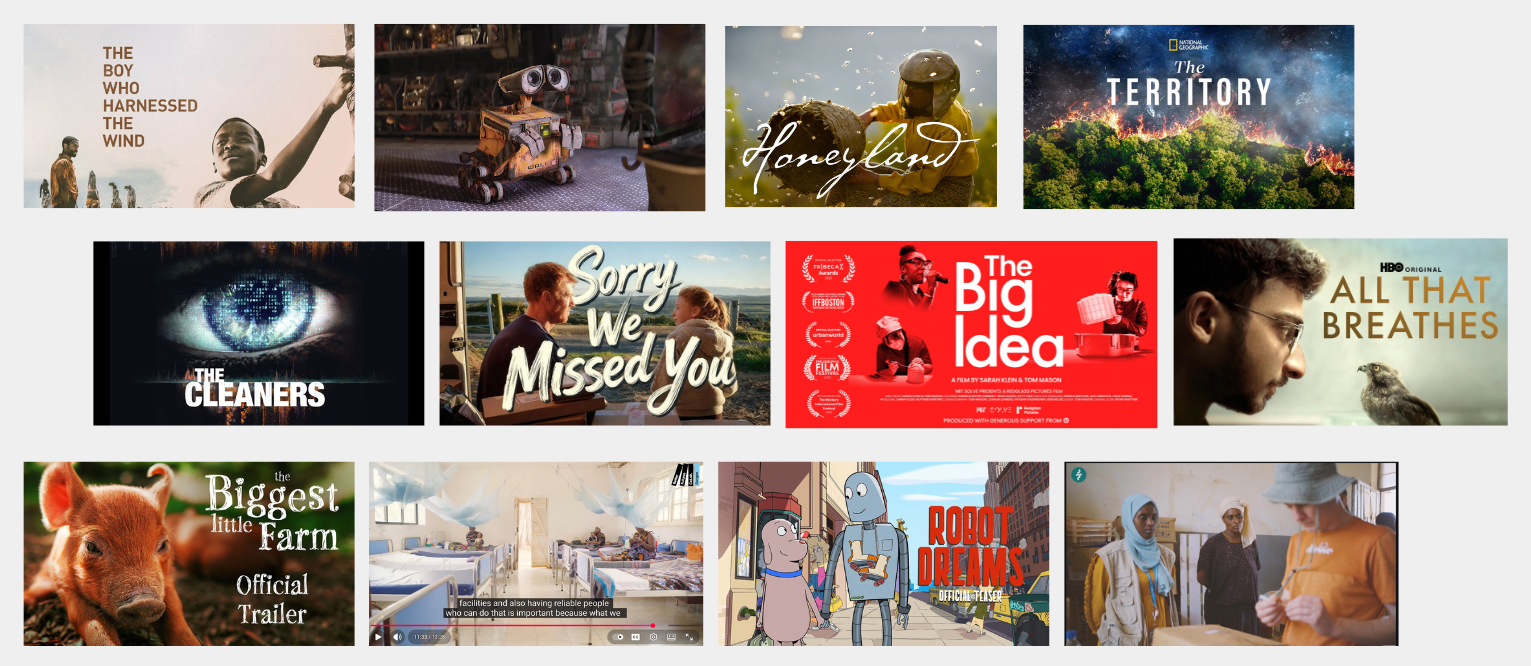
Around the world, people are looking forward to different celebrations to mark the end of the year. We’ve been counting down the days in December with a list of films to settle down to watch, to remind your brain what’s possible when imagination, innovation and frontier technologies collide.
Get ready to meet Macedonian beekeepers preserving ancient approaches, Filipino content moderators fighting misinformation, Indigenous communities protecting the Amazon with drones and animated robots tugging at heartstrings.
Our goal is to help you enter 2026 with new ideas and hope for what's possible. Here is our pick of twelve Frontier Tech films for the festive season.
1. The Boy Who Harnessed the Wind (2019)
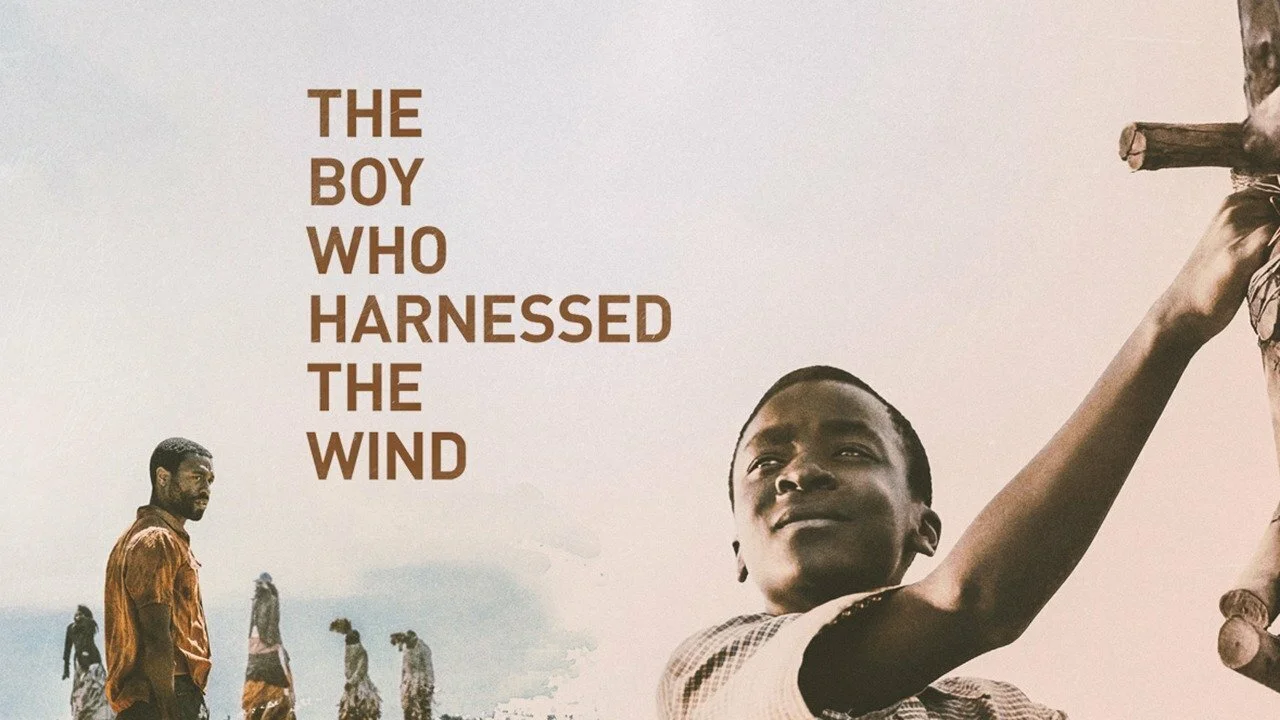
About the film: When drought threatened his Malawian village in 2001, 13-year-old William Kamkwamba built a wind turbine from scrap—blue gum trees, bicycle parts, a tractor fan, shock absorbers, PVC pipes, and an old radio motor—to power an irrigation system. After saving his village from famine, William attended the African Leadership Academy and Dartmouth College before becoming a Global Fellow for IDEO.org.
Why this matters: Locally-led innovation at its finest. Perfectly captures resourcefulness, appropriate technology, and community problem-solving—adapting tech for local use.
2. Wall-E (2008)
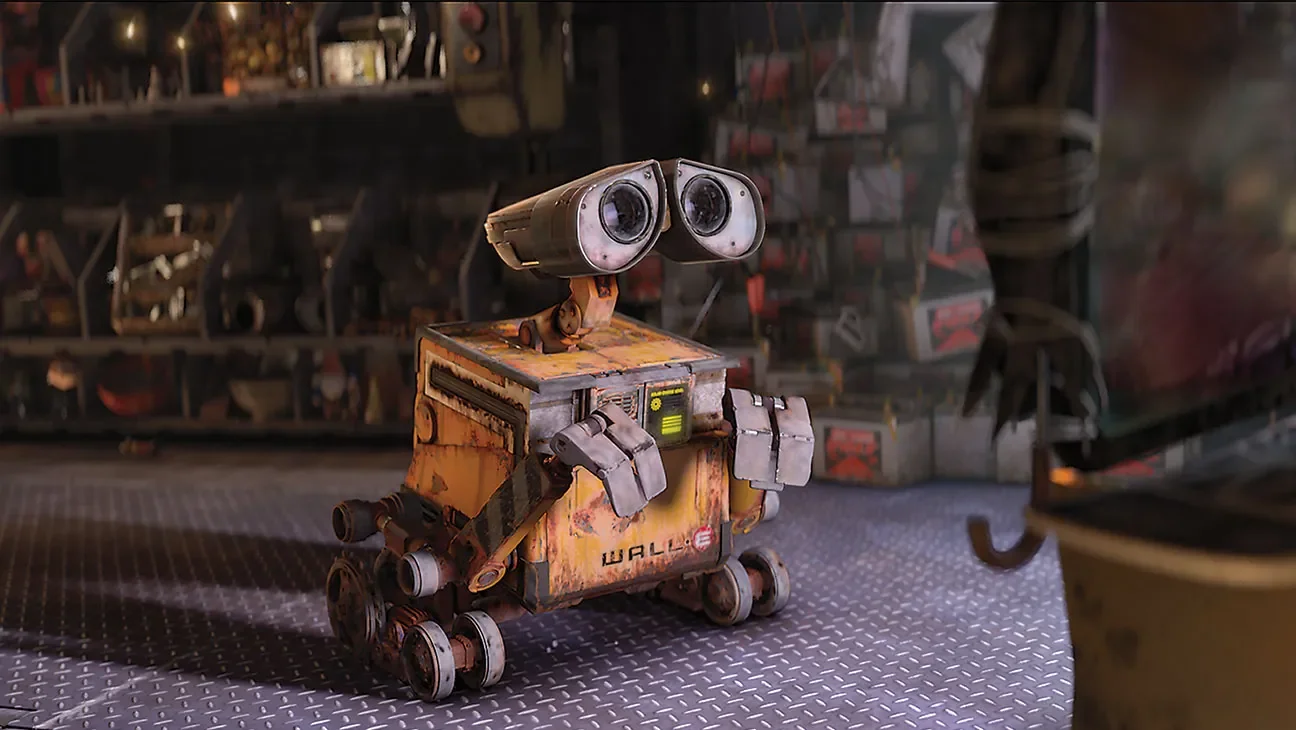
About the film: Pixar at its finest—a tender look at how technology can help us repair what we've broken. Set on a future Earth covered in waste, the last remaining inhabitant is a small, determined robot doing humble, essential work for the planet.
Why this matters: We're living in a moment where robotics is moving from science fiction into everyday life. Robotics could accelerate progress on 46% of the Sustainable Development Goals, yet this potential remains largely untapped in low- and middle-income countries. We've been exploring what robotics for development could really look like: resilient, repairable, locally-adapted tools that thrive in the realities of Global South contexts.
3. Honeyland (2019)
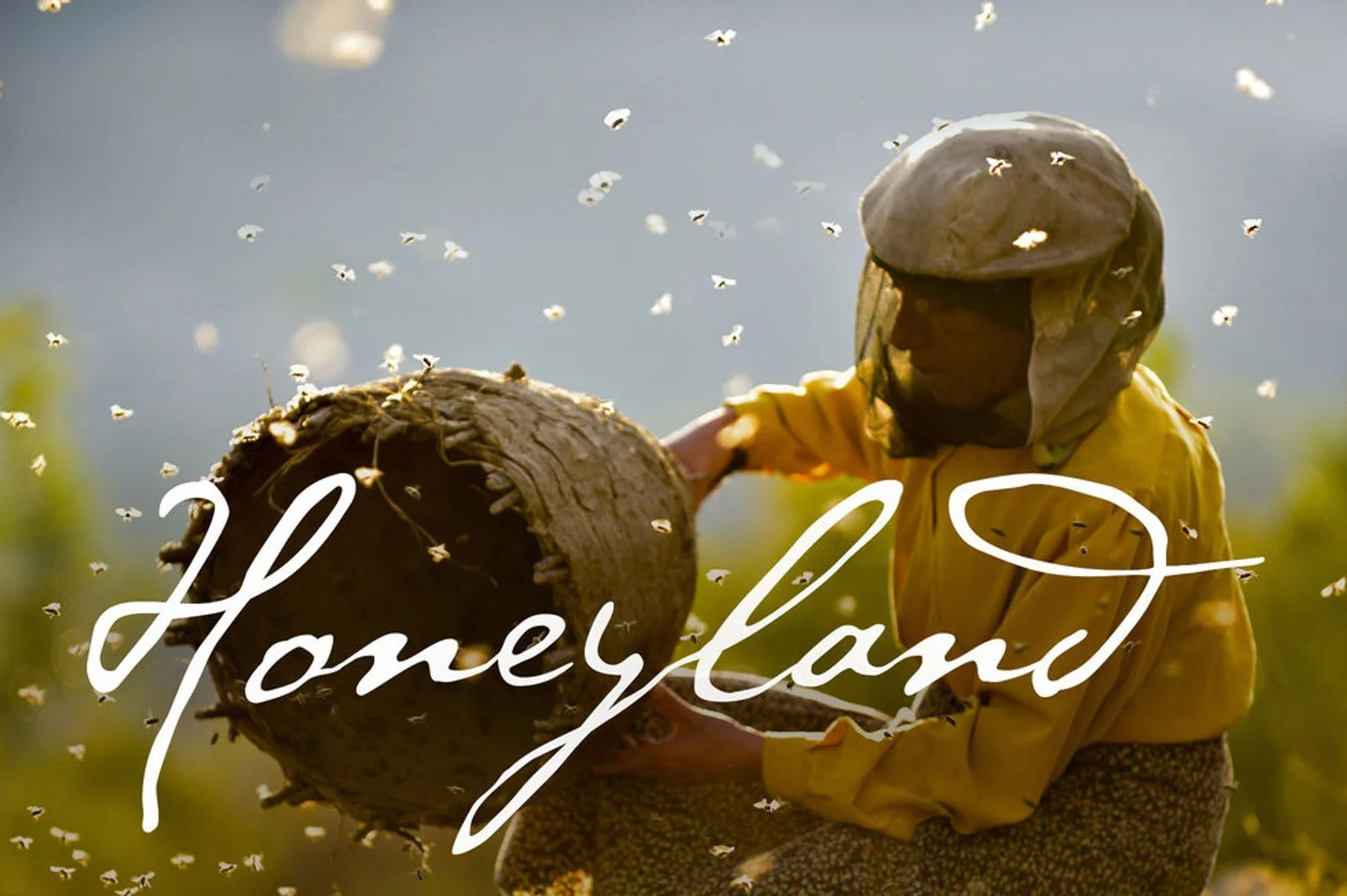
About the film: Set in the wild landscapes of Macedonia, this documentary follows Hatidze Muratova, a beekeeper whose ancient knowledge of sustainable beekeeping reveals deep lessons about environmental balance. She harvests honey from wild beehives in a sustainable, symbiotic relationship with nature.
Why this matters: Hatidze's beekeeping practices are contextually appropriate and low-tech. Similarly, in Nigeria, Ogechukwu Omeribe and Esohe Eigbike worked with M.E Solutions to develop a locally operated hydroponic cattle fodder system that showed promise in reducing soil degradation, improving cattle diets, and helping local communities adapt to climate challenges. There is enduring value in combining age-old practices with today's innovative world.
4. The Big Idea (2023)

About the film: Innovation begins with stubborn belief. This film follows three inventors: stabilising vaccines in remote settings, using robotics to empower indigenous youth, and building antiracist technology to tackle Black maternal mortality. Different problems, different tools, same drive to bend technology toward social change.
Why this matters: Getting vaccines safely to people who need them most sits at the heart of our work in Nepal with the Flying Medicines Nepal pilot. Pioneers Deepak Karki and Sarah Pannell worked with Nepal Flying Labs and the Government of Nepal's Ministry of Health to explore whether drones could be embedded into the national health system to deliver life-saving medicines and vaccines to remote communities.
5. Robot Dreams (2023)
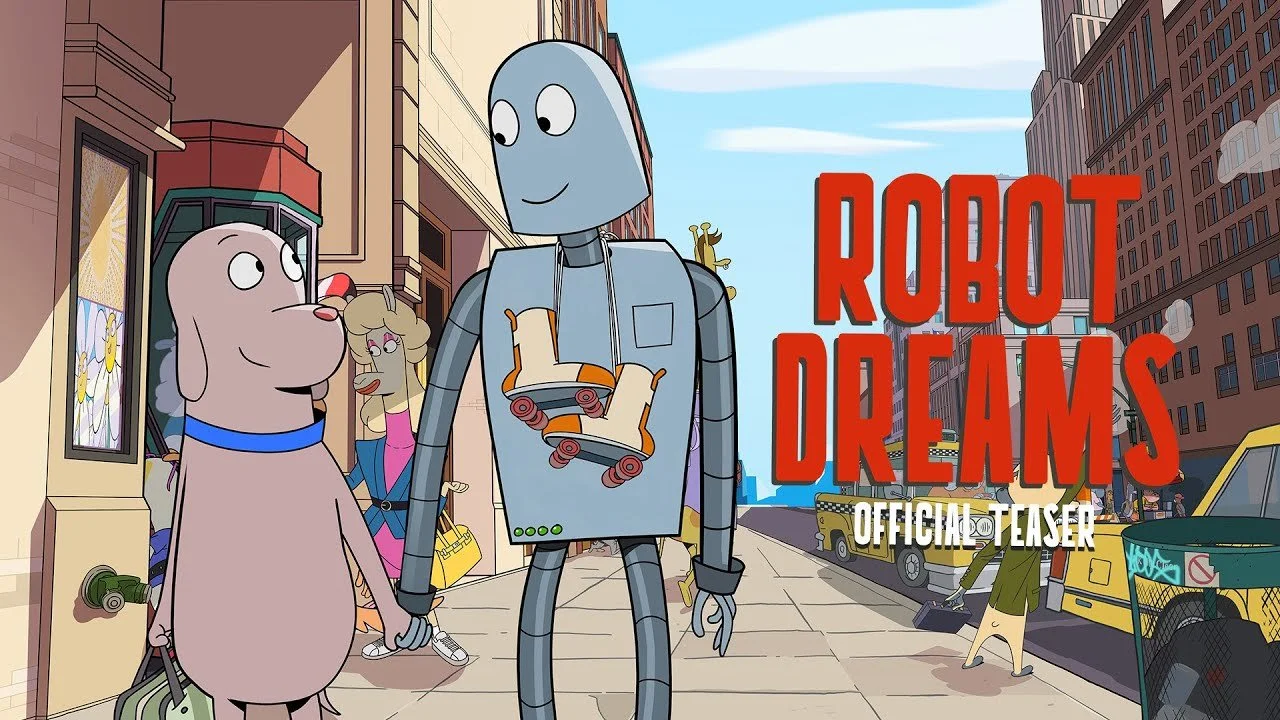
About the film: A lonely dog in 1980s New York builds himself a robot companion from a mail-order kit. Their friendship blossoms until a malfunction at the beach forces them apart. This wordless animated film explores loneliness, connection, and moving on - without a single line of dialogue.
Why this matters: The film asks important questions about our relationships with technology, especially as AI is increasingly used for emotional support. AI and robotics have huge potential to serve social and care functions, not just industrial ones, but there are real consequences when the technologies break down or malfunction.
6. The Territory (2022)
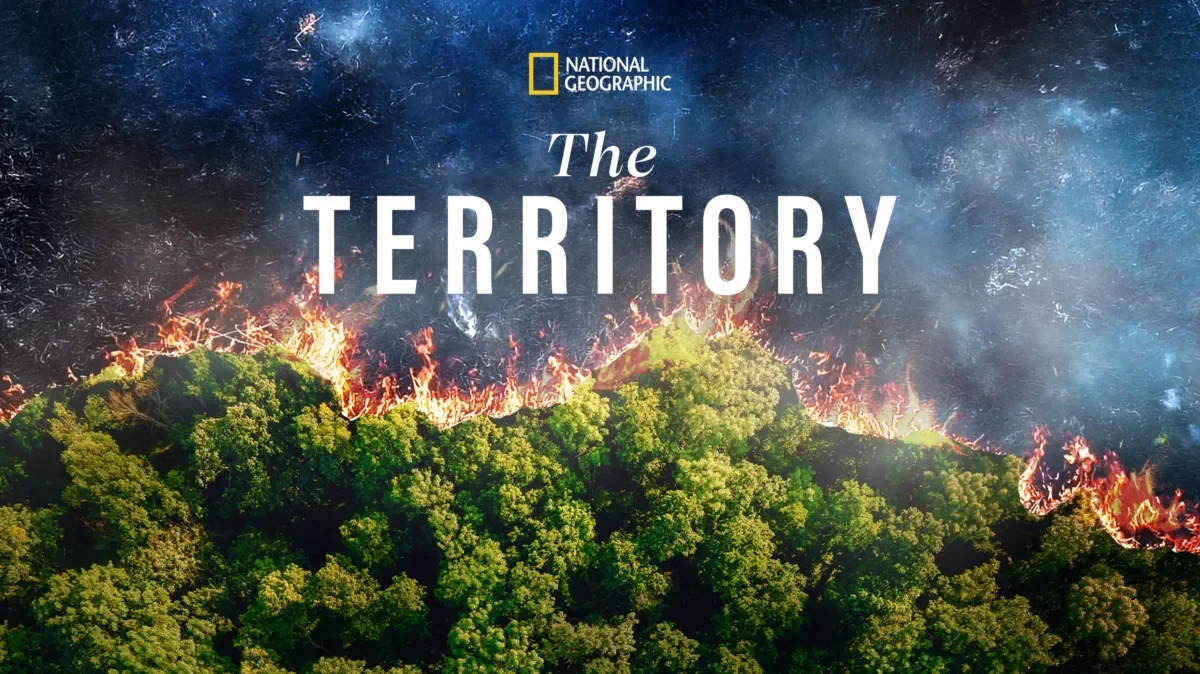
About the film: The Territory follows the Uru-eu-wau-wau people in the Brazilian Amazon as they defend their land from illegal loggers and settlers. With drones, cameras and GPS, young indigenous leaders gather evidence for their own self-determination—moving from being observed to becoming their own storytellers and protectors.
Why this matters: Across Brazil, locally led innovation often begins with communities choosing the tools that help them stay safe. Our nanobiogel pilot, pioneered by Laura Flaquer Moreira with Arqueatec, SABRE and colleagues, explored whether a biodegradable gel deployed by drones could slow wildfires. Early findings revealed that the real opportunity lay in helping farmers contain tiny sparks before they become threats—aligning with The Territory's lesson: the people closest to the land often know what's needed first.
7. Oxygen-as-a-Service (2024)
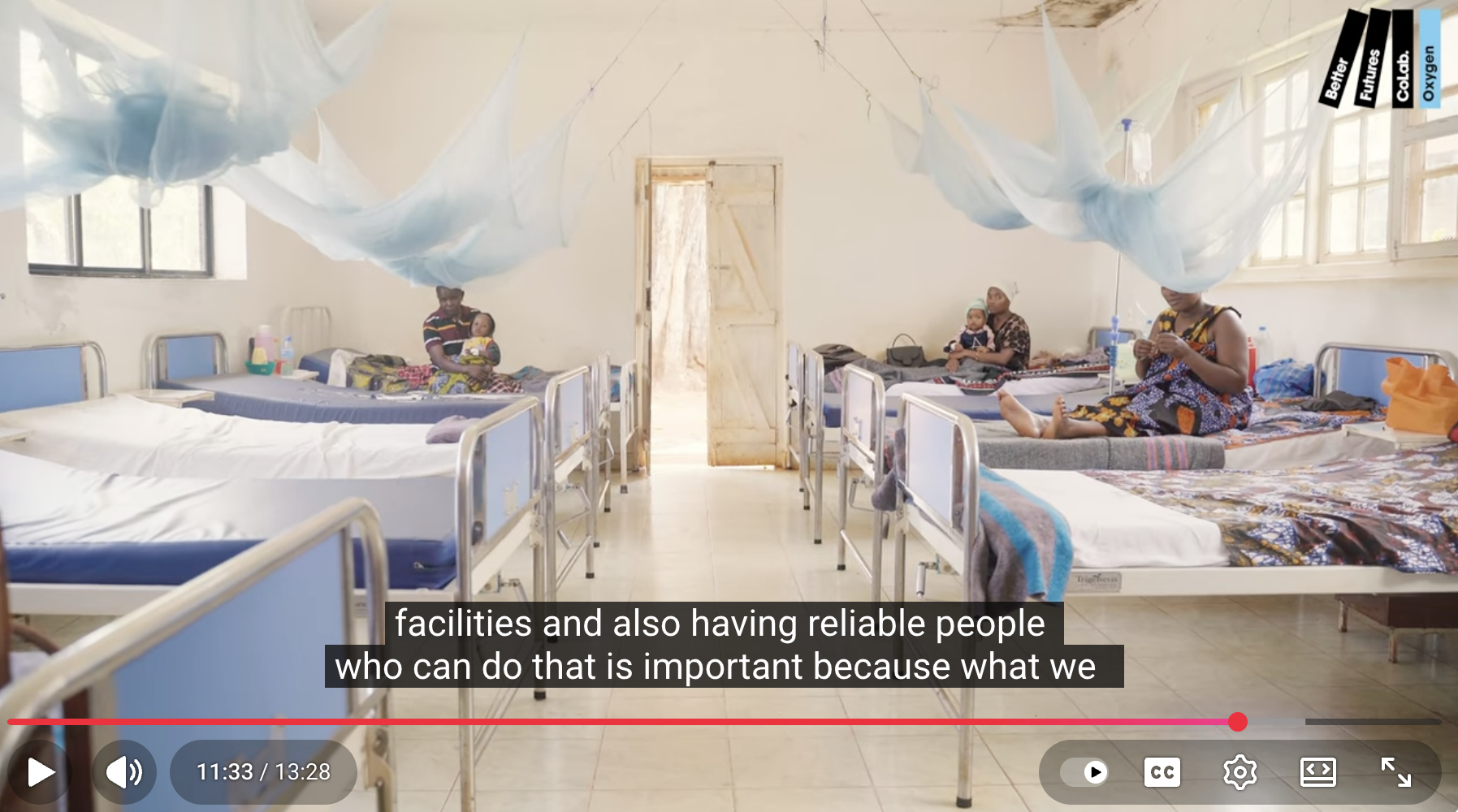
About the film: In low resource settings, oxygen is not reliably available because the oxygen ecosystem is fragile: incomplete supply chains, unreliable power, broken equipment, and no one accountable for keeping systems running. This 14-minute film shows how, in Tanzania, Uganda and Nigeria, FREO2 Foundation, AFHIA x ICChange, and HealthPort are testing Oxygen-as-a-Service (O2aaS)—delivering oxygen as a reliable service with maintenance, training and uptime built in.
Why this matters: Through the O2aaS model, local businesses are solving the everyday challenges that keep oxygen out of reach—breakdowns, stockouts, power cuts—and replacing them with a steady, accountable solution designed to last. When oxygen works, routine care is safer, emergencies are survivable, and health systems can be trusted.
8. Sorry We Missed You (2019)
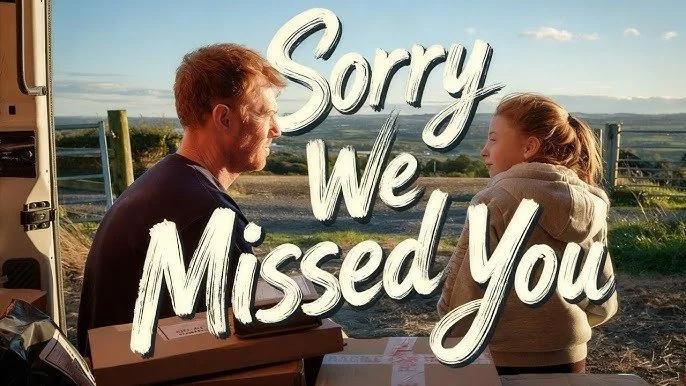
About the film: Director Ken Loach brings us a hard, human look at the gig economy—in a delivery van, on doorsteps, in cramped spaces where people are racing to keep up with an app. Flexibility on paper often means precarity in real life.
Why this matters: In Kenya, around 83.6% of the working population is in the informal sector. Many are gig workers and small business employees without sick pay, pensions, or stable contracts. When COVID-19 hit, some saw their work drop by up to 90% almost overnight. Together with pioneers Rasmos Ndubi and Sheena Raikundalia and our partner Qhala, we explored whether a portable benefits platform could offer employer-independent protections that follow the worker, not the job. Same technologies. Very different power dynamics.
9. The Cleaners (2018)
About the film: The Cleaners captures the high-speed, high-pressure world of content moderation in the Philippines, where thousands of moderators work tirelessly behind the scenes. Delete. Ignore. Repeat.
Why this matters: The issues raised in The Cleaners are exactly what we're working to address through our upcoming portfolio of pilots on information integrity in Eastern Europe. We're contributing to efforts to tackle the challenge of managing misinformation at scale by exploring tools and collaborative strategies that empower communities to protect themselves from the growing tide of false information.
Join the Network to hear more about our new pilots
10. The Biggest Little Farm (2018)

About the film: Nature, when given the chance, heals. This story follows a couple who set out to rebuild a depleted patch of land, only to restore an entire ecosystem. The film shows how biodiversity can bring soil back to life and build resilience over time.
Why this matters: This idea sits at the heart of one of our nine underhyped frontier technologies for development: bioremediation. Bioremediation uses living organisms to clean up contaminated soil and water. It's low-cost, low-tech, and rooted in ecology. Like the farm in the film, bioremediation is about working with natural processes to repair damage and support long-term recovery.
11. Introducing GeoSeals (2024)
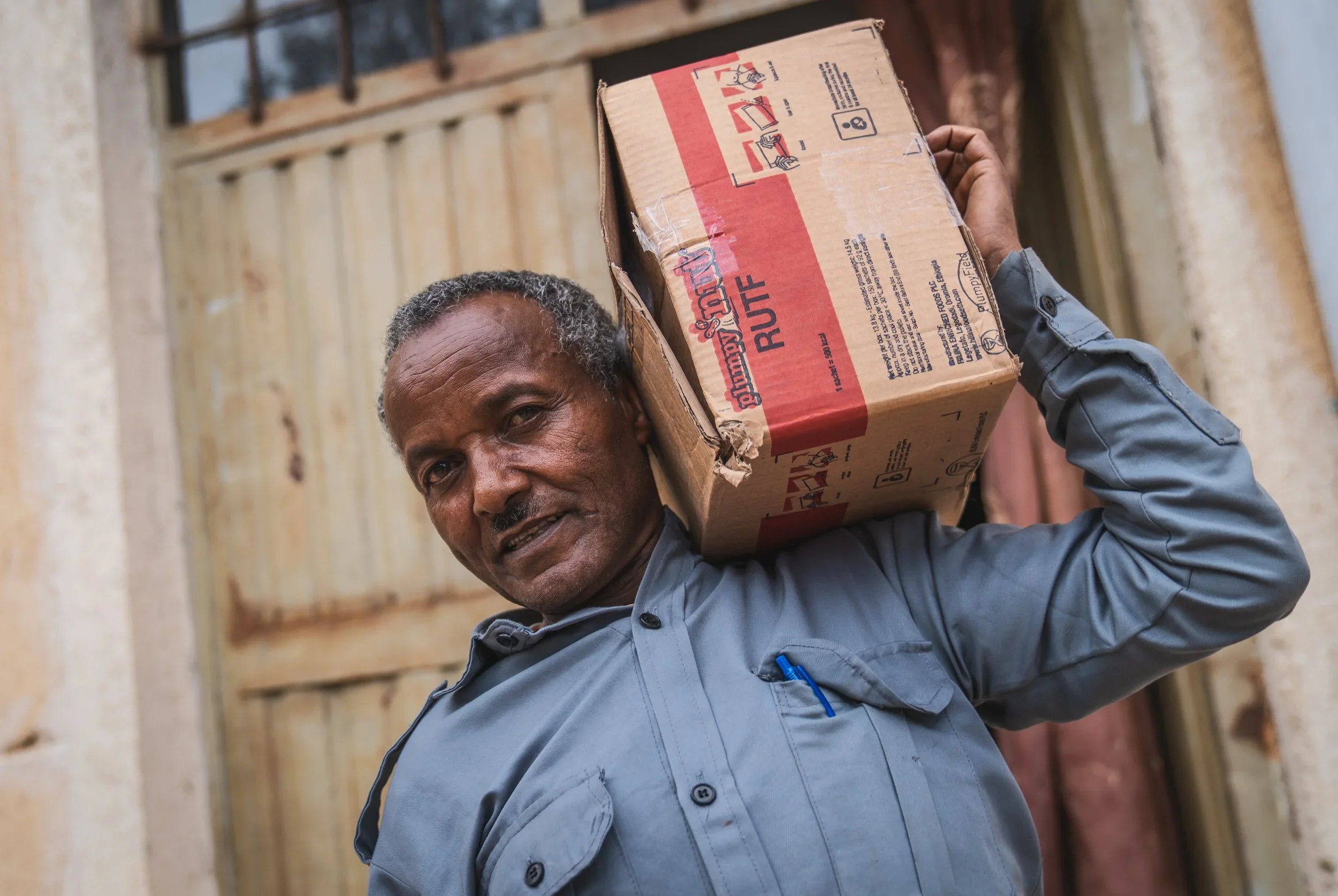
About the film: In hard-to-reach conflict zones without electricity or internet, life-saving emergency nutrition supplies often run out before they can reach vulnerable children. GeoSeals follows the journey of tracking Ready-to-Use Therapeutic Food (RUTF) through rural health points in Harar, Ethiopia, using solar-powered GeoHubs and RFID technology to provide real-time stock alerts. Design engineer Ruby Hill hand-made 13 hubs, installed 3000km away, to prevent stock-outs of malnutrition supplements needed by millions of babies worldwide.
Why this matters: To save lives, humanitarian aid needs to be in the right place at the right time. In areas where staff are overstretched and reliable real-time data doesn't exist, medicines expire and supplies run out. GeoSeals demonstrates how IoT sensors and appropriate technology can transform humanitarian supply chains, providing automated monitoring of stock levels without requiring human intervention, cellular coverage, or power sources. If this works for RUTF (which is one of the most complex commodities to track because of its density) the possibilities for impact across the humanitarian sector are endless.
12. All That Breathes (2022)
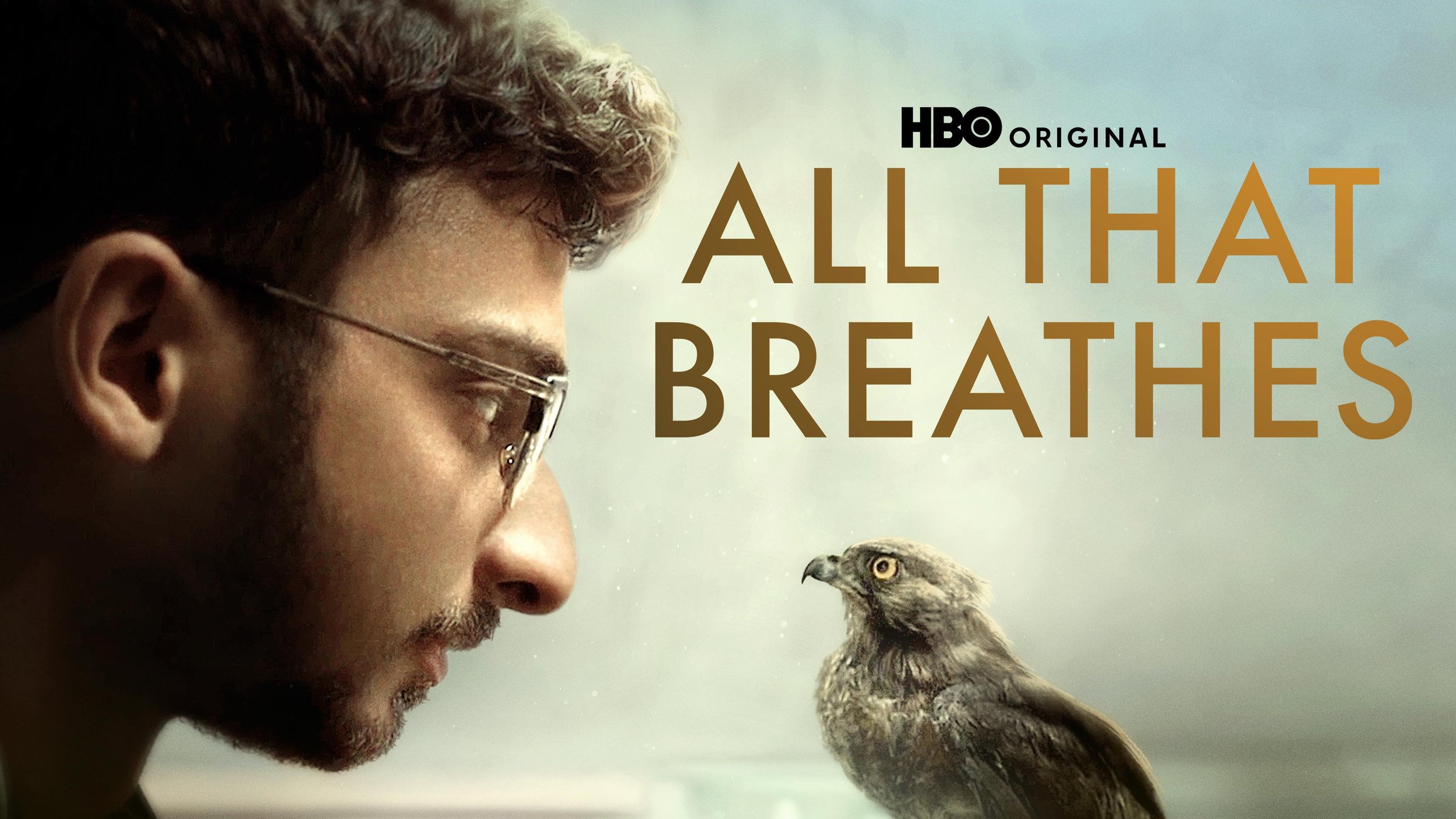
About the film: In this Oscar-nominated film, two brothers in Delhi rescue injured birds amid crushing air pollution. Grassroots conservation using whatever tools are available—resilience and care in the face of environmental crisis.
Why this matters: Our biodiversity monitoring work spans from Kenya to Colombia, using UK-developed AI and DNA sequencing technologies to make invisible ecosystems visible. Like the brothers in All That Breathes, our pilots recognise that protecting biodiversity starts with noticing, documenting, and responding to what's right in front of us.
Enter 2026 with new ideas
These stories remind us what's possible when imagination, innovation and frontier technologies collide. From wind turbines built from bicycle parts to drones delivering vaccines, from soil regeneration to information integrity, each story connects to a deeper truth: the future isn't something that happens to us, but something we can dream up and build together.
We hope these films inspire you to enter 2026 with hope for what's possible.
If you’d like to dig in further…
🚀 We’ll be sharing new monthly explorations in 2026. Sign up to our Network to receive them.
📚 Explore more FT films showcasing our pilot experiments on our films page.
📝 If you’re looking for even more festive cheer, check out the puns in our Making space to play with AI blog.
Date published: 17th December 2025