An update from the Frontier Tech Hub
There’s one question we ask after every open call: Where is the Frontier Today?
Our 10th call for applications was (almost) our biggest yet, with our second-highest number of submissions. We received 106 applications from FCDO colleagues across 38 countries, including 15 countries we've never run pilots in before. And although only 8 were awarded grants, every single one contributes to that bigger picture about where the frontier is moving next.
After ten years of supporting frontier tech pilots, the shift is clear: It's no longer just about whether a technology works, but about whether institutions can absorb it, whether communities can govern it, and whether the infrastructure exists to sustain it beyond a grant cycle.
Here are ten things we learned from our 10th call for applications
1) AI everything (almost)
AI has been steadily growing in our portfolio. In this call only 5 out of 106 applications included no AI whatsoever. We're seeing potential groupthink around AI as a default solution, something we’ve noticed previously when exploring the “underhyped” technologies going under the radar. Some of our most transformative pilots (like portable DNA sequencing for biodiversity, or solar-powered cold chain systems) emerged from hardware.
It raises the question: are we defaulting to algorithmic solutions because they’re the right tech for the job, or because it’s right there?
2) AI as connective tissue
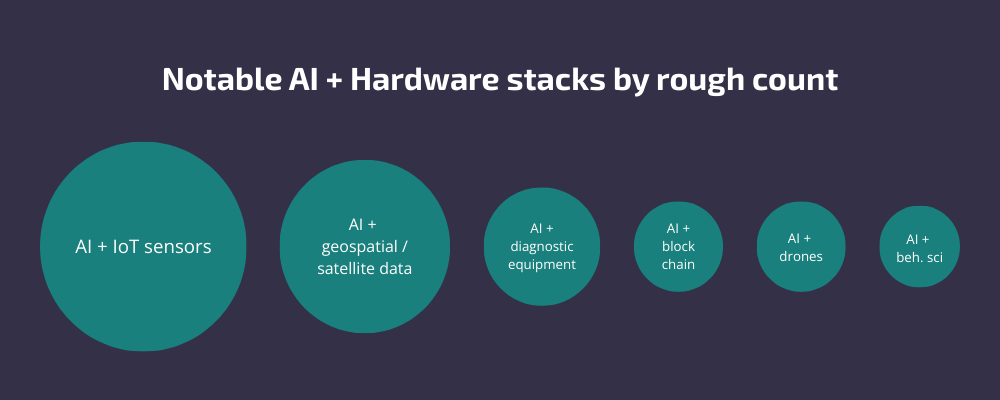
But while we’ve explored the gap between AI and hardware, the real frontier is AI + X, where X is the technology that does the sensing, mapping or transacting, and AI makes it smarter.
A decade ago, there was huge potential for the Internet of Things to serve as the connective tissue among different technologies, helping them work in tandem. Today, AI is what IoT once was: a layer that promises to enhance other technologies and make them smarter.
3) The shift from novelty to responsibility
Proposals increasingly raise ethical questions earlier on. This presents the collective responsibility people feel regarding the consequences of data and tech, something that was more dispersed in the earlier days of tech. Questions about bias, data ethics, consent, and algorithmic accountability are no longer afterthoughts, but core design considerations.
4) From explorer to integrator
The frontier is shifting from "will it work?" to "can it work in the system?" We found 62% of applications to be focussed on the latter. Instead of building standalone apps, tools or solutions, they proposed to build on existing platforms, connecting to government systems, or enhancing current, public infrastructure. We even noticed potential for “policy sandboxes”, where perhaps the appetite is to test new governance or business models rather than technology itself.
Only 17% are pure "explorers" testing genuinely new ideas. It shows a maturity in the landscape where the tech itself works, but lacks the data standards, training and interoperability layers to integrate it into the existing infrastructure.
5) Underhyped technologies still came through
Hardware-based ideas, such as 3D printing, biotech and clean tech, have become rare, but not obsolete. As we mentioned, only 5 out of 106 applications included no AI whatsoever. These included fascinating new entrants such as underwater drones and even ancient technologies, as well as a return to trustworthy tech like Bluetooth and LED lights.
The AI wave is a far cry from the 10 Frontier Technologies for International Development we published a decade ago, which focused on the kind of tech you could pick up and drop on your toes. Attention is shifting to software- and data-led systems, but this presents a potential blind spot, as hardware access remains a barrier to our pilots in many LMICs.
6) From “disruptor" to sensible upgrades to infrastructure.
Across the 30 shortlisted applications, we noticed a pattern in which human actors within the solution were critical to the tech's ability to improve the status quo systems. These systems were often manual, fragmented or biased for the people who needed them, such as frontline health workers or judicial staff.
It’s less of a human-in-the-loop concept and more supporting human-led systems with tech, making human work more effective by replacing slow or inefficient parts. Examples included upgrading manual monitoring systems while empowering community observers with better tools, automating health diagnostics, but enabling health workers to make better referral decisions and reducing the risk of corrupt procurement by supporting public servants with transparent platforms.
7) Platforms as coordination infrastructure
A notable cluster of applications are proposing platforms that connect actors, not just tools that serve individual users. This might be platforms aggregating smallholder farmer production data to match with buyers, credit scoring systems that make informal businesses visible to formal lenders, connecting siloed datasets for policy planning or coordination platforms for last-mile delivery.
To be clear, this isn’t a matchmaking exercise. Each idea attempted to address market failures or blockers in the system. It could be to address the need for SMEs to demonstrate creditworthiness or simply to build trust between communities and their government services.
8) The endgame reality check
It’s more important than ever to consider a solution’s endgame. If a plan relies on government adoption, it needs to be cheap and low risk. If a plan relies on philanthropic foundations or further grant funding, the competition is higher than ever.
Commercialisation is now the inevitable endgame, and so we ultimately focused on ideas with clear commercialisation routes. We saw this commercialisation pathway in around 20% of applications. Ideas included Agri-tech targeting farmer cooperatives as paying customers, a health diagnostic tool designed primarily for private clinics, with the public sector as a secondary market, and supply chain transparency tools built for corporate ESG compliance, where development impact was designed as a co-benefit.

9) Advocacy from the offset
The presence of advocacy has grown 30% in new applications - and crucially, it's emerging earlier in the journey, not just at maturity. Often, this is part of the scaling phase of the journey, and sometimes it’s a complete afterthought because the focus is on the tech rather than how it might be adopted.
This reflects success already demonstrated by previous pilots. Due to their advocacy efforts, FOUND is now exploring how to transfer their solution from Mexican to Colombian search authorities. Youth Innovation Lab shared their learnings widely during their pilot, eventually earning a knowledge-into-use award and a spot onstage at COP to help others learn from their insights.
Examples in this round of applications included a climate finance application which planned a "policymaker shadowing" exercise where government officials could experience the solution alongside communities, an access to justice pilot which budgeted for storytelling outputs throughout, and a biodiversity monitoring application included "data diplomacy" workshops to ensure their findings could inform real frameworks.
10) Some solutions may already exist
The nature of tech is fast-paced and hard to keep up with. Therefore, it’s unsurprising that a small but notable number of applications could theoretically be solved with solutions that already exist.
This raises questions about the ability to successfully transfer tech from one application to another, and about the incentive for some existing products to make their solutions accessible to other sectors or geographies.
We have seen examples of this over the last decade across our portfolio. A refugee camp in Somalia saw benefits in adopting a hydroponics system tested in Nigeria. A Minister of Agriculture expressed interest in using GeoSeals to track fertiliser distribution. While Colombian farmers face barriers to accessing the EU market for their cocoa, Ethiopian farmers face the same for their coffee.
Check out the final selection
After a competitive process, the successful applications were announced. This new cohort brings together seven ambitious pilots that demonstrate how frontier technologies are being reimagined to address some of the world’s most complex and sensitive challenges.
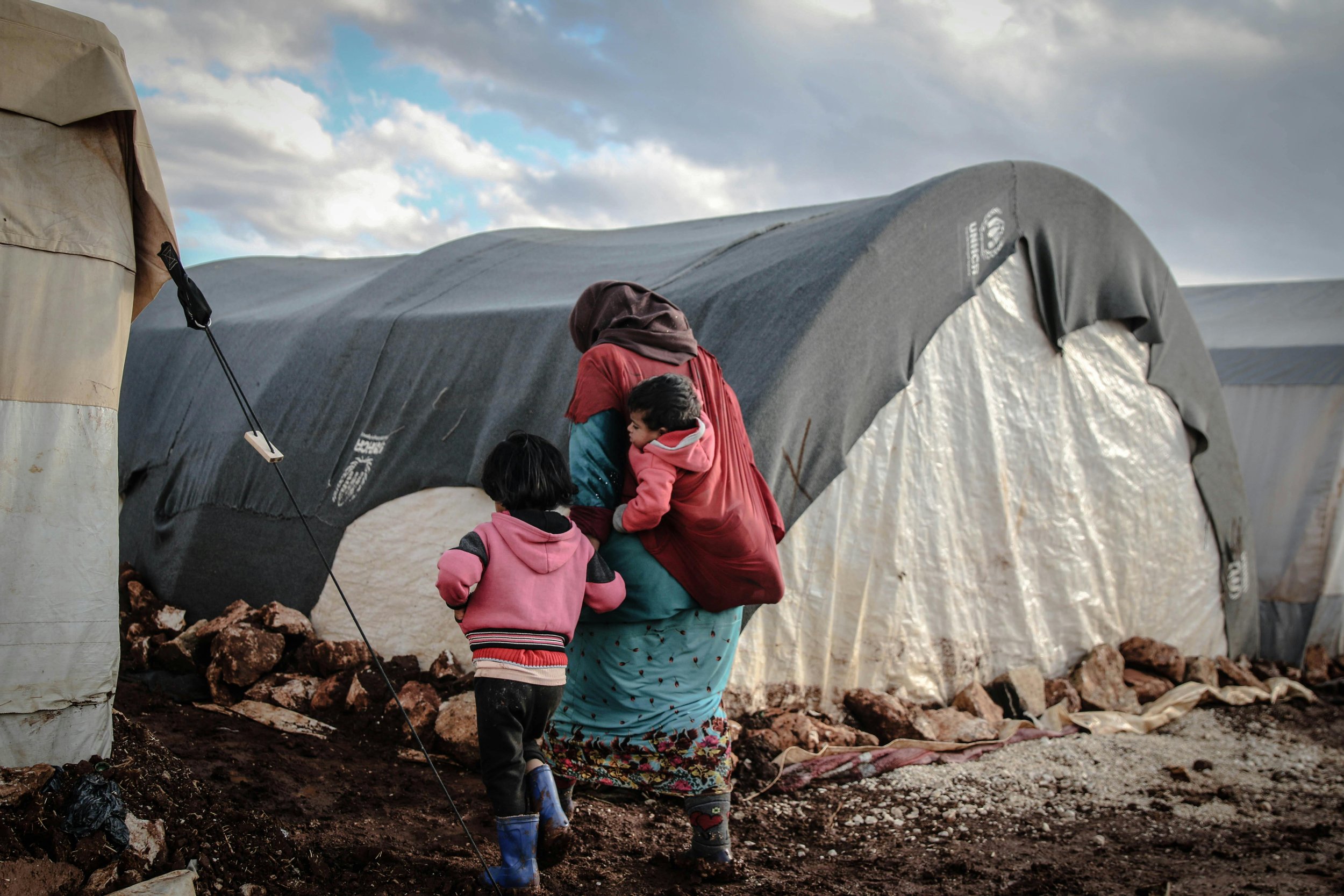
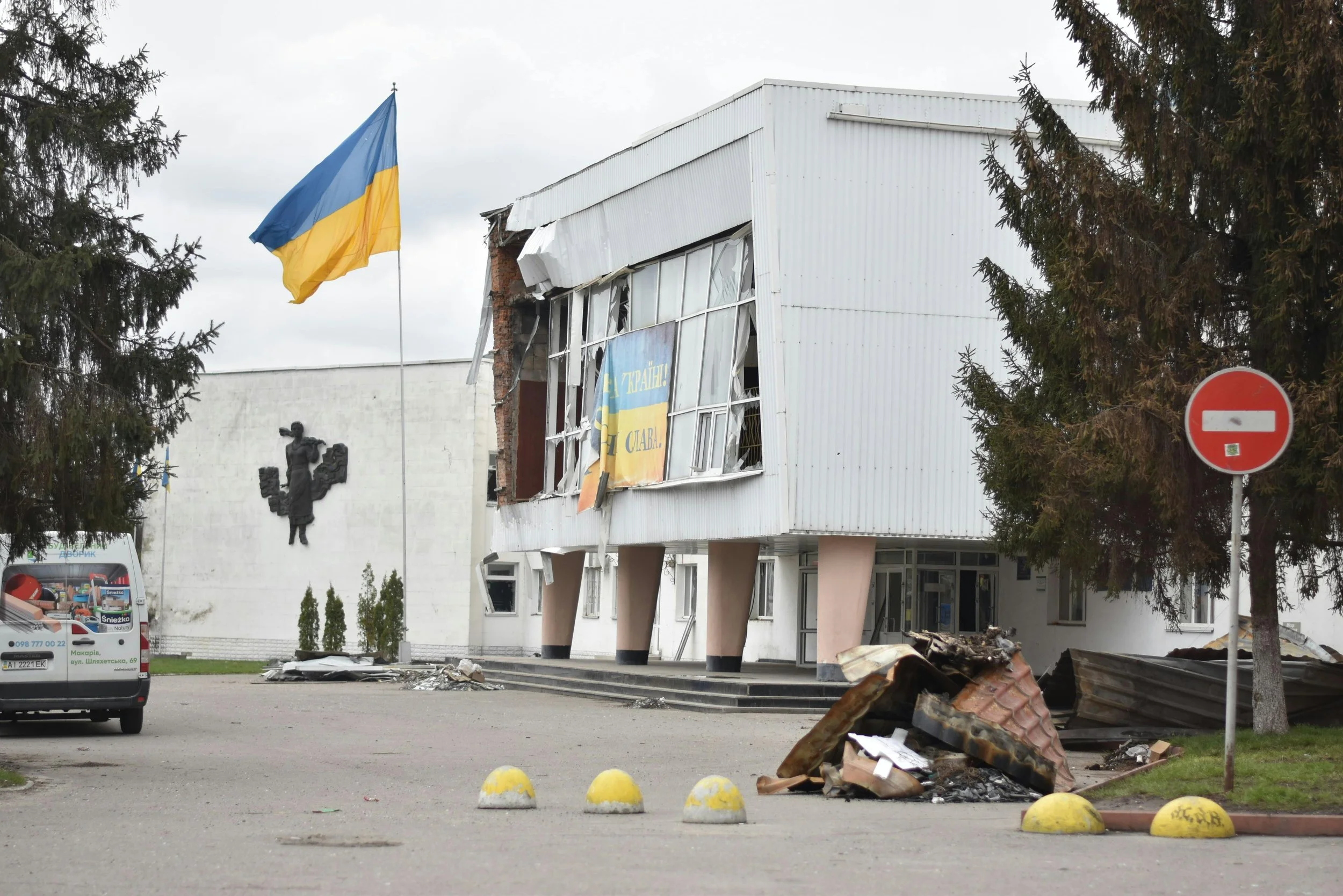
From Tanzania and the Sahel to Ukraine, Mexico, and Southeast Asia, the cohort reflects a drive to design and harness tools for the fragile systems, low-connectivity environments, and real institutional constraints that need innovative solutions more than ever.





If you’d like to dig in further…
🔘 Explore the full cohort announcement
🔘 Read the top ten technologies for climate action