
Cool by Design
THE QUESTION
Can ancient desert technologies be adapted to support safer living conditions and strengthen climate adaptation for people facing prolonged displacement?
LOCATION: Senegal, Chad, wider Sahel region
SECTOR: Climate, Humanitarian
TECH: Proptech
TIMELINE: January 2026 - Present
PARTNERS: UN Habitat, Norwegian Refugee Council
PIONEERS: Mana Farooghi, Izza Soubiane
The challenge
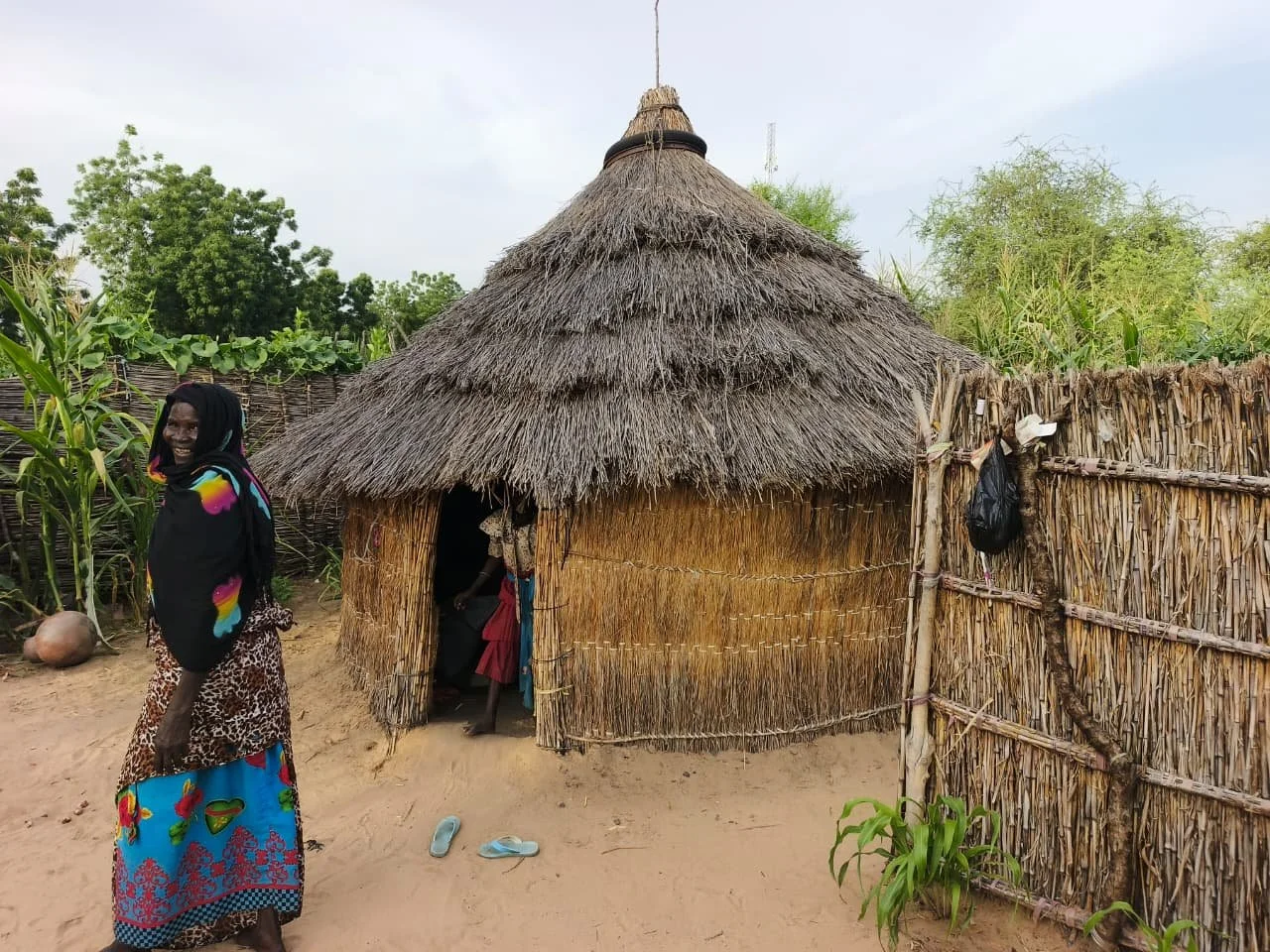
Communities across the Sahel now face some of the world’s most severe heat, water scarcity and food security challenges as temperatures regularly exceed 40 °C and climatic extremes intensify. At the same time, rapid urban growth, conflict-driven displacement and shifting settlement patterns mean that many people are living in environments for which recent building forms are poorly adapted. Even in places where vernacular and traditional architecture once provided comfort with minimal energy input, makeshift shelters, hastily constructed houses made of cement, corrugated metal and other modern materials, and expansion of towns and cities have displaced or sidelined long-standing climate-responsive building traditions.
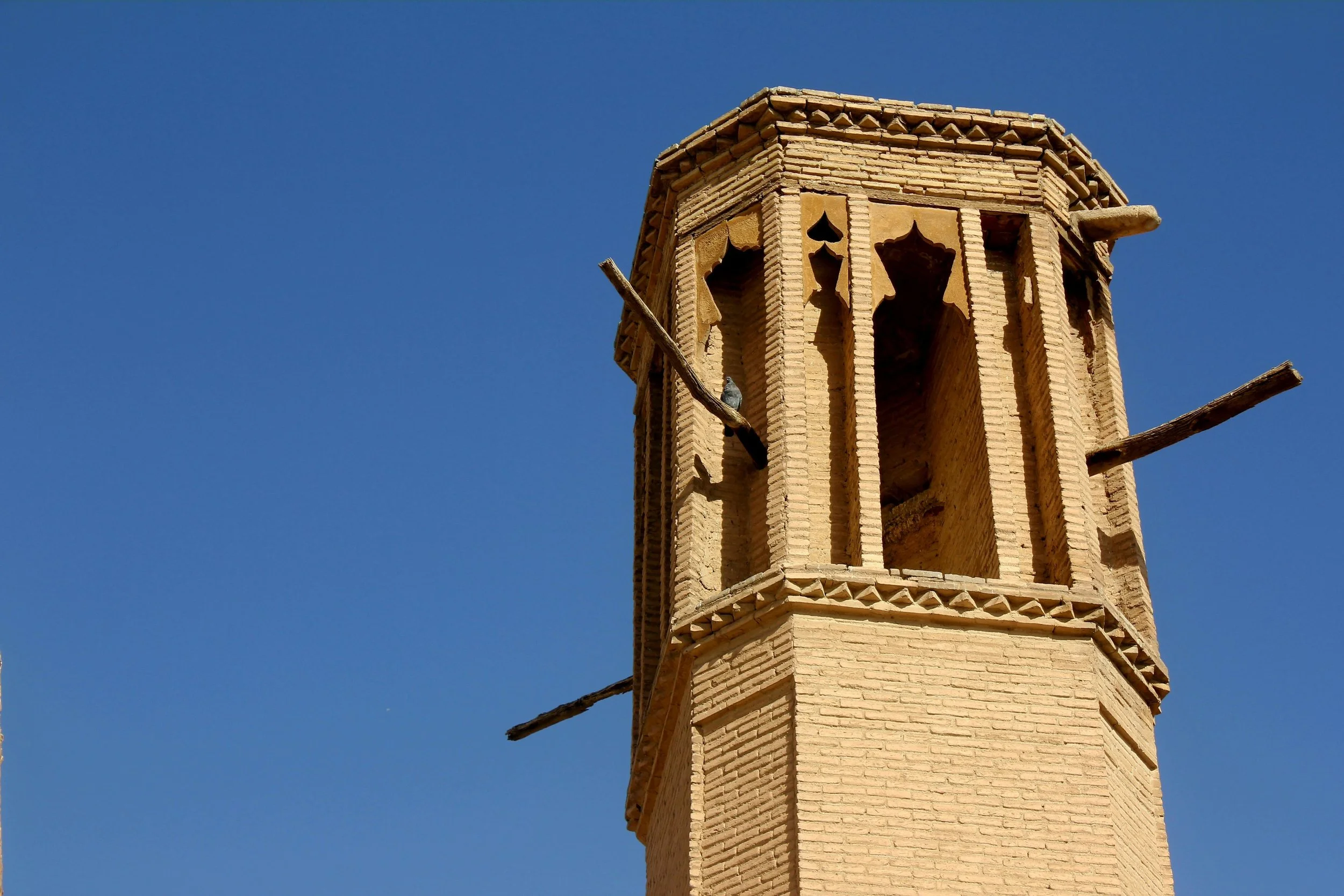
Traditional earthen and adobe building techniques throughout the broader Sahel and neighbouring regions offer passive responses to heat, with thick walls, natural ventilation and thermal mass that moderate indoor temperatures without mechanised or energy consuming cooling. However, socioeconomic disruptions, including protracted displacement, market pressures towards imported materials, and the speed of expansion in informal settlements, have reduced reliance on these approaches in many contexts and contributed to widespread use of materials that can intensify indoor heat and increase vulnerability to rising temperatures.
The solution
This pilot explores how durable, climate-responsive architectural traditions, rooted in centuries of local knowledge across the Sahel and adjacent desert regions, can be revived, adapted and combined with appropriate frontier technologies to deliver safer, cooler living and storage environments. It tests how time-tested passive cooling strategies (including earthen walls with high thermal mass, natural ventilation systems, and water-wise design) can be reintegrated, modernised and scaled in contexts marked by displacement, urban expansion and changing livelihoods.
By building on existing vernacular foundations in Chad and the Sahel and drawing inspiration from desert traditions elsewhere, the pilot aims to co-design solutions with humanitarian actors and communities that are culturally-rooted, climate resilient and less dependent on resource-intensive cooling and construction, demonstrating alternatives that help reduce heat-related harm and improve everyday safety, comfort and dignity.
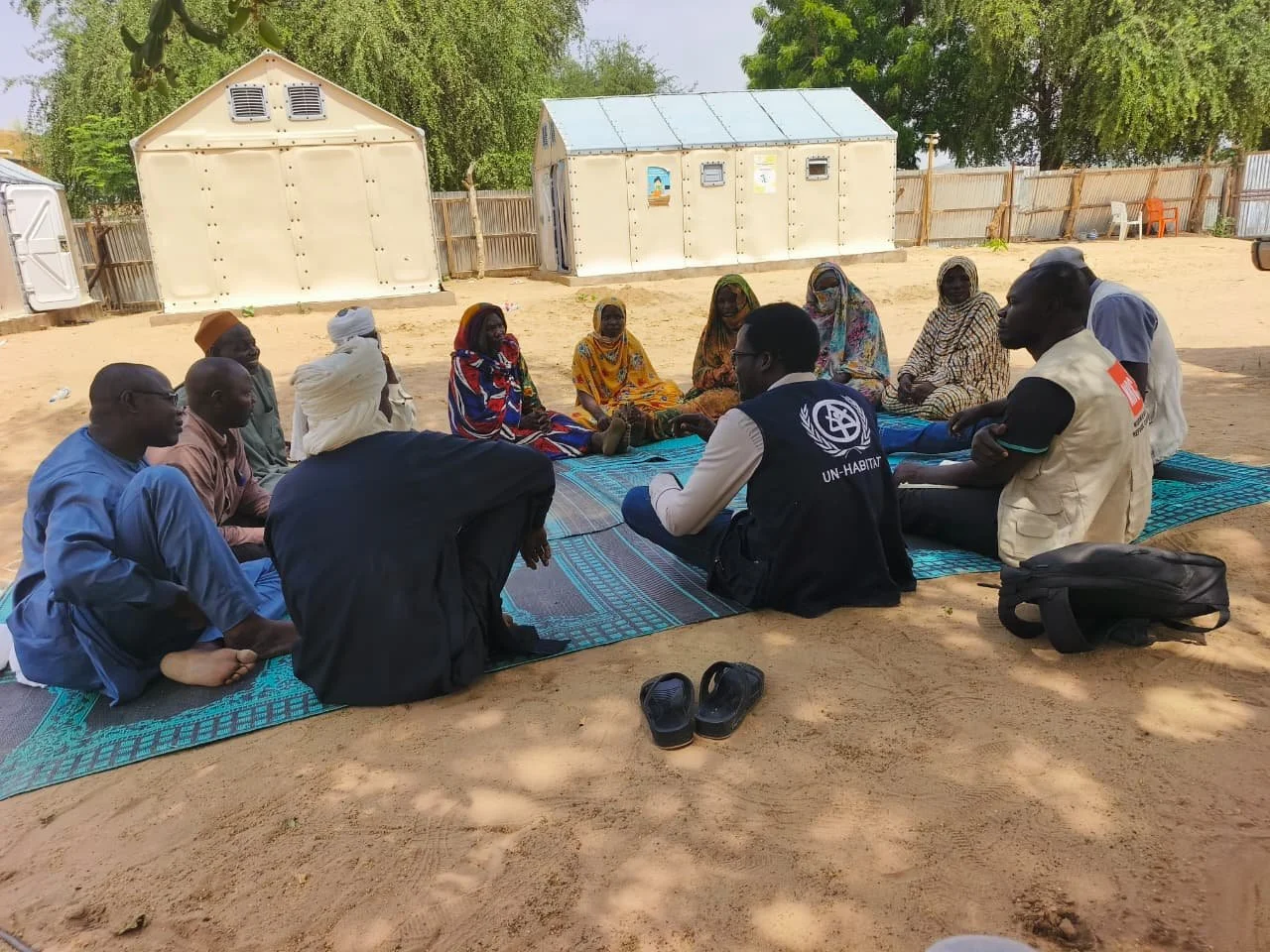
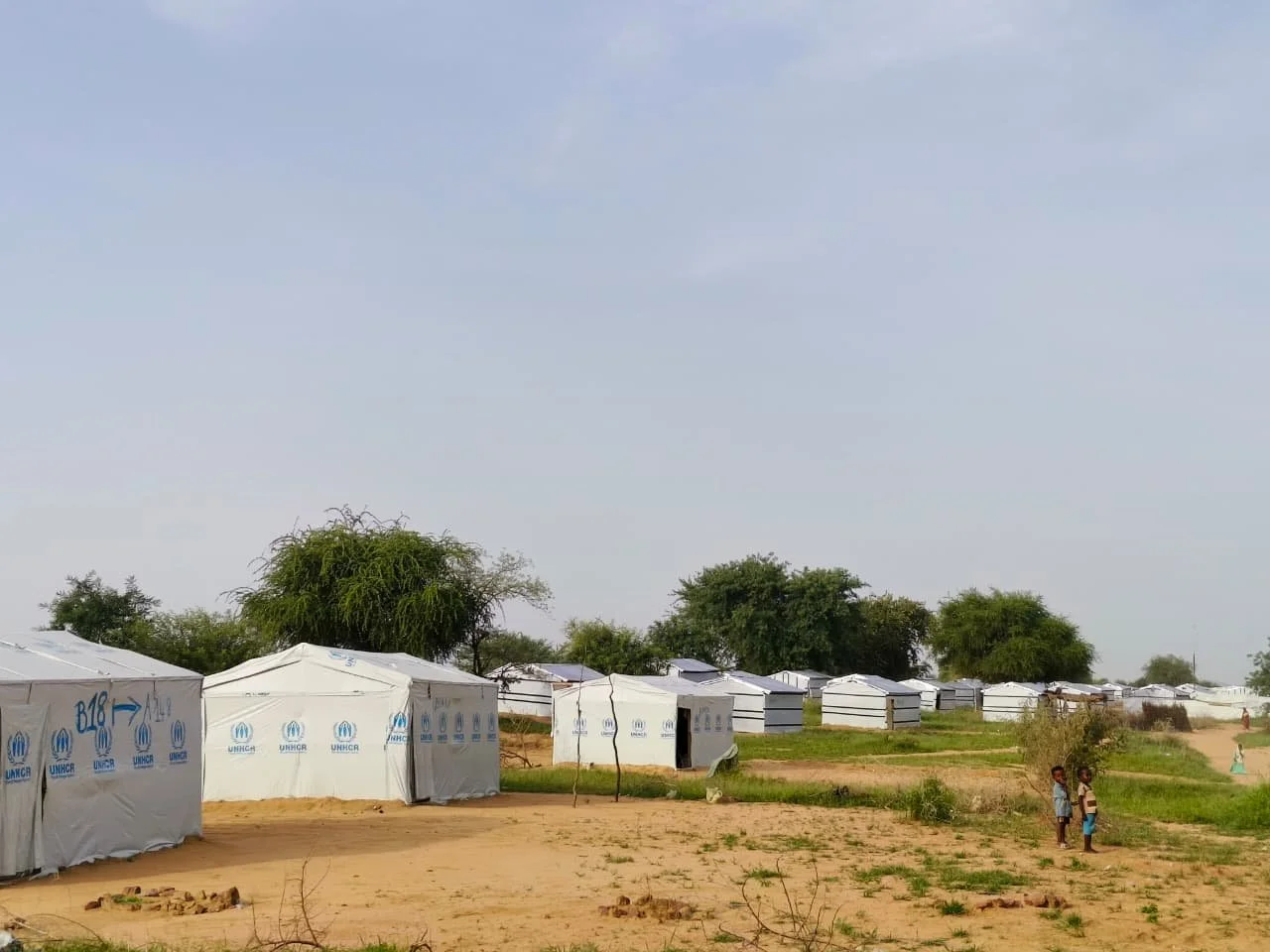
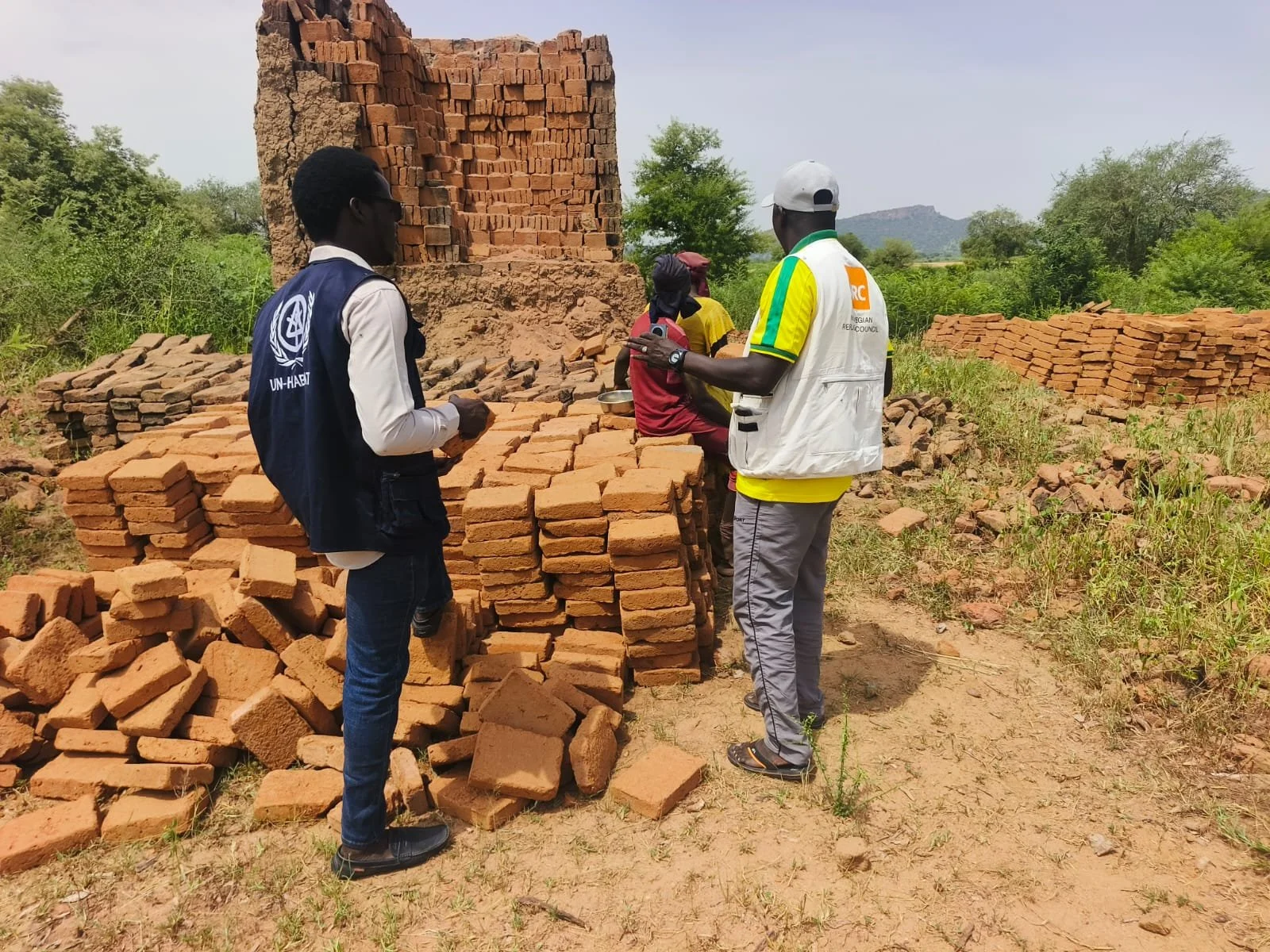
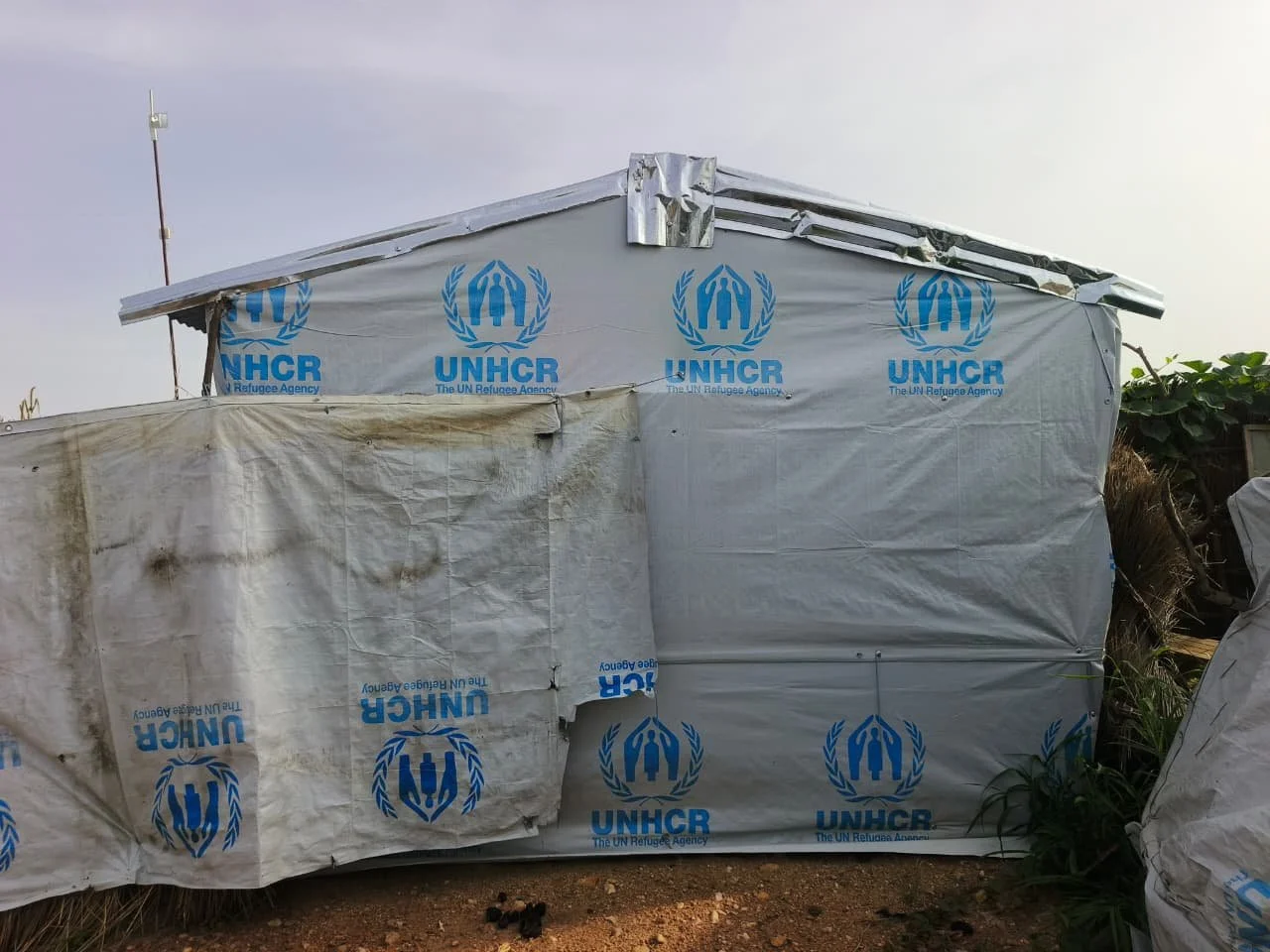
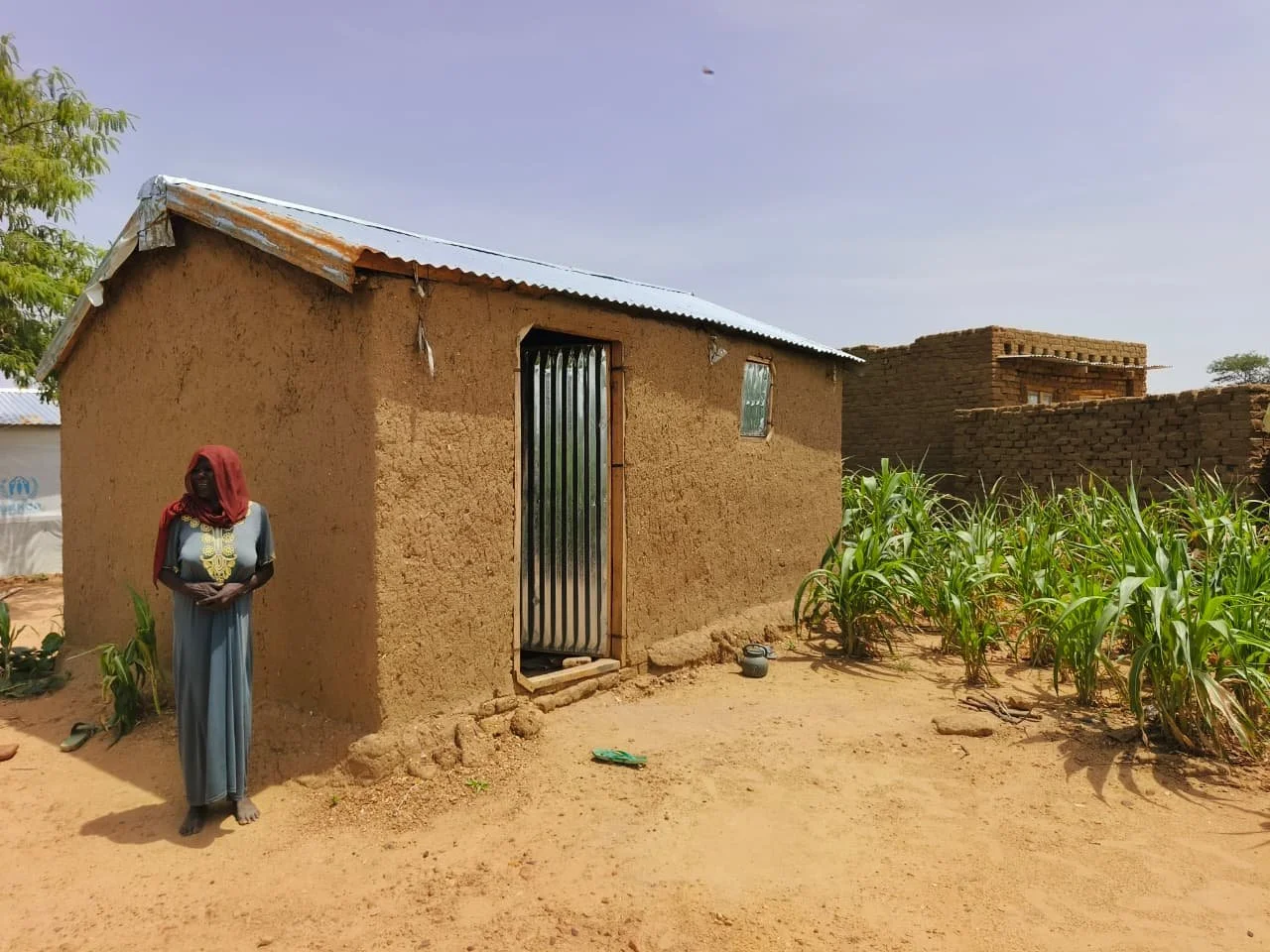

The Cool by Design pilot is exploring whether passive cooling techniques can help shape shelter that is adapted to a hotter future.