A blog by the Frontier Tech Hub
Pilot: DNA forensics to tackle illegal wildlife trade with MinION technology
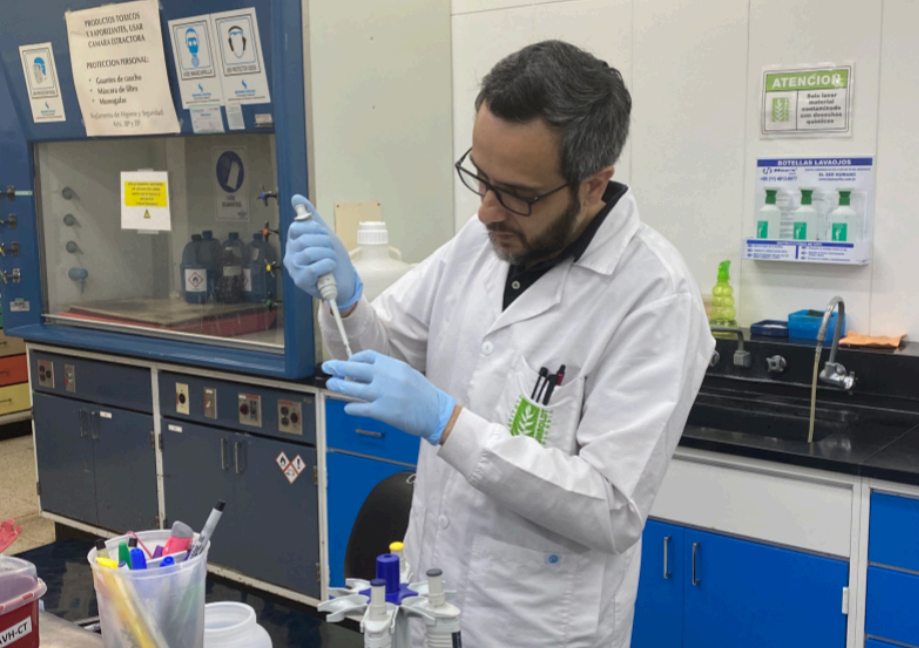
Preparing to use the MinION sequencer device
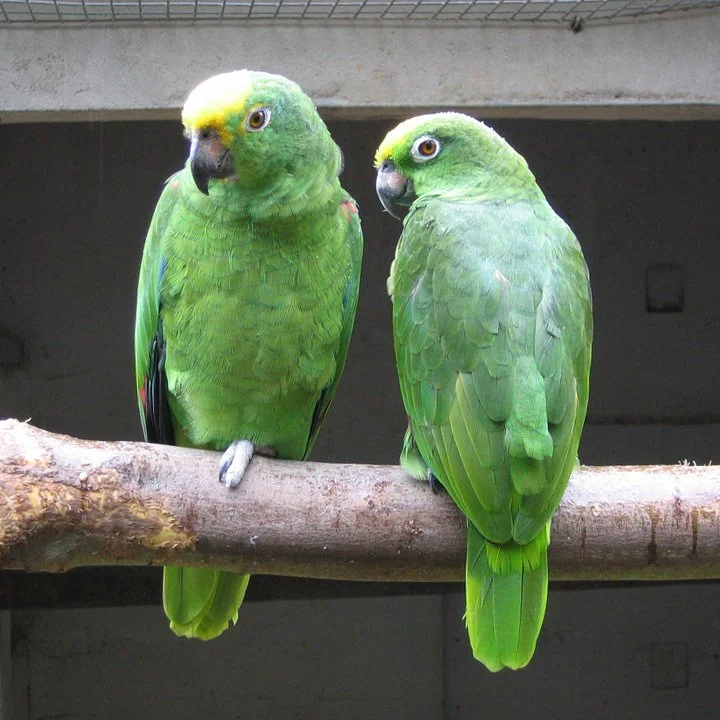
Amazona ochrocephala, also known as the yellow-crowned parrot
Colombia is one of the most biodiverse countries on Earth, yet it faces mounting pressure from illegal wildlife trafficking (IWT) which removes animals from their ecosystems and leaves environmental authorities struggling to identify, rehabilitate, and safely release confiscated species. Release decisions often rely on ad hoc expert observation, which is imprecise for species that look similar, and it provides no information on an animal’s true geographic origin. This poses several risks: authorities may release animals into the wrong habitats, causing disruption of local ecosystems and reduced survival and welfare. They may accidently mix genetically distinct populations, or simply leave them in overcrowded rescue centres for months while awaiting identification. These risks are why accurate species identification are increasingly seen as essential parts of responsible wildlife rescue and conservation practice.
This pilot, led by the Humboldt Institute with support from the Frontier Tech Hub, set out to test whether portable DNA sequencing could provide faster, more accurate species identification and provenance data. Building on an affordable, handheld sequencer called the Oxford Nanopore MinION device, which is capable of producing genetic barcodes, the team explored whether the technology could fill three critical gaps. These were: generating high-quality species IDs, determining geographic origin for trafficked animals, and establishing a viable operational and cost model for using these tools across Colombia. The case study species was Amazona ochrocephala, a parrot frequently trafficked due to its popularity in the pet trade.
The first part of the pilot tested which DNA sequencing protocols would be practical, cost-effective, and reliable for Colombian institutions. Researchers compared three approaches (PCR-TAG, Rapid Barcoding, and Native Barcoding), drawing on samples from wildlife rescue centres, zoos, and genetic collections across 13 departments. They found that using non-invasive samples such as swabs and shed skin performed as well as blood and muscle tissue, dramatically reducing the need to handle animals. PCR-TAG emerged as the most affordable and efficient method, generating high-quality barcodes at just over £4 per sample and enabling the upload of 97 new DNA barcodes to global reference databases like BOLD and GenBank.
The second phase tested whether portable sequencing could determine geographic origin, a major requirement for reintroducing confiscated animals into the wild. Using mitochondrial DNA markers and phylogenetic analysis, the team successfully distinguished regional lineages of Amazona ochrocephala, showing that portable sequencing can support provenance testing in real enforcement contexts. Nuclear DNA approaches showed potential but were not cost-effective at small scales, highlighting that MinION is best suited for rapid-response needs, while larger technologies like Illumina remain more appropriate for deep genomic studies.
A third component assessed whether the technology could be sustainably adopted by Environmental Regional Authorities (ERAs), who are responsible for much of the on-the-ground enforcement and wildlife management. At around 5-7 USD per sample, survey responses showed willingness to pay for sequencing services. However, two main structural issues were highlighted: the first was a lack of a comprehensive national DNA reference library, and second was the need for a shared operational model to pool equipment, expertise, and costs. Without such a model, no single ERA processes enough samples to make the technology cost-effective at scale. However, a shared service could significantly reduce costs, prevent overcrowding in rescue centres, and speed up decisions on species release and rehabilitation.
Overall, the pilot demonstrated that portable DNA sequencing is technically sound and capable today of transforming how Colombia responds to wildlife trafficking. It enables rapid identification, supports safer release decisions, and could form the backbone of a national biodiversity genomics strategy. The caveats shown through this pilot were that in order to scale-up, further investment is needed toward building reference libraries, training personnel, and stress-testing operational models. With these foundations in place, Colombia (and other mega- or highly-biodiverse countries) could move from reactive enforcement to a more proactive, data-driven approach to biodiversity protection. At a time of profound loss of species globally, leveraging genetics can safeguard some of the world’s most threatened wildlife populations.
To read the report in full, click below:
Date published: December 12th 2025