
IdentIA: Identifying missing persons
THE QUESTION
Can an AI-powered forensic search tool accelerate the identification of missing persons and reduce the burden on families in Mexico?
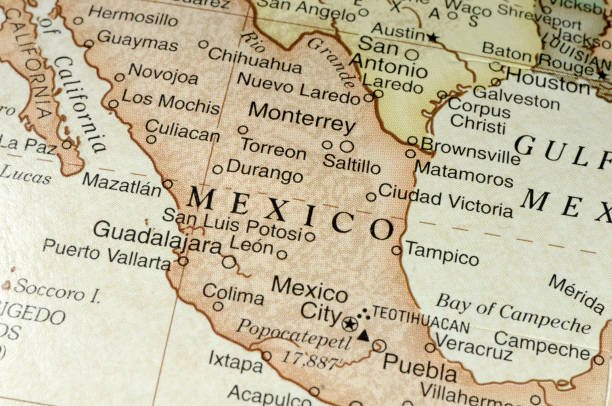
LOCATION: Mexico
SECTOR: Humanitarian
TECH: AI
TIMELINE: January 2026 - Present
PARTNERS: TBD
PIONEERS: Mariela Garfias, Paul Smale
This idea builds on the work done by our FOUND pilot. To read more about FOUND, click here: FOUND: Testing technologies to locate clandestine graves — Frontier Tech Hub
The challenge
Mexico faces one of the world's most severe crises of enforced disappearance: over 133,000 people remain missing and more than 72,000 bodies remain unidentified, as of October 2025. Forensic identification processes remain largely manual and fragmented, with specialists spending months or years visually inspecting thousands of photographs to match distinguishing features like tattoos, scars, and clothing. This slow, traumatic process places an enormous burden on both forensic institutions and families - predominantly women, including mothers, sisters, daughters and wives - who must review distressing post-mortem images searching for their loved ones. Limited technological capacity, outdated procedures, and absence of interoperable digital tools create persistent backlogs. These backlogs undermine trust in the justice process and the state’s capacity to tackle enforced disappearances.
The solution
This pilot will test an AI tool that recognizes, classifies, and compares visible distinguishing features across forensic records. Using multimodal AI models that combine computer vision and natural language processing, the tool enables forensic experts to search by text description (e.g., "rose tattoo") or by uploading reference photographs. The system converts inputs into shared embeddings and retrieves the most similar cases from databases in seconds, replacing months-long manual searches. Built on a modular architecture compatible with existing forensic systems, it can be deployed locally on secure institutional servers and works with existing photographic archives without requiring costly new hardware. The tool is co-designed with family collectives, forensic services, and state attorney general's offices to ensure it meets real operational needs while maintaining strict ethical safeguards.
The pilot aims to increase identification rates, reduce emotional burden on families, and improve institutional efficiency in forensic services. By automating searches and minimizing exposure to distressing imagery, the tool transforms a painful, months-long procedure into one completed in seconds. The pilot will generate technical and operational blueprints for deployment protocols and user training that can be replicated across Latin America. In the long term, the tool will enable integration with national and regional databases and expansion to recognize additional visible traits, offering a scalable model for how AI can be responsibly applied to advance truth, dignity, and justice in humanitarian contexts.

Our learnings and stories so far
This pilot hasn’t started to publish yet, but there are plenty of other blogs to read below. Check back soon!







The Hub's funding and proof of concept now allows us to unlock reshoring and localised manufacturing for organisations and companies of unlimited size.