SpeakSafe: Breaking Language Barriers to Connect & Protect
THE QUESTION
Using solar-powered, bluetooth-enabled hardware with multilingual communication software, can we help vulnerable migrant populations to understand and communicate their medical needs?
LOCATION: TBD
SECTOR: Humanitarian
TECH: Bluetooth Hardware, Solar
TIMELINE: January 2026 - Present
PARTNERS: TBD
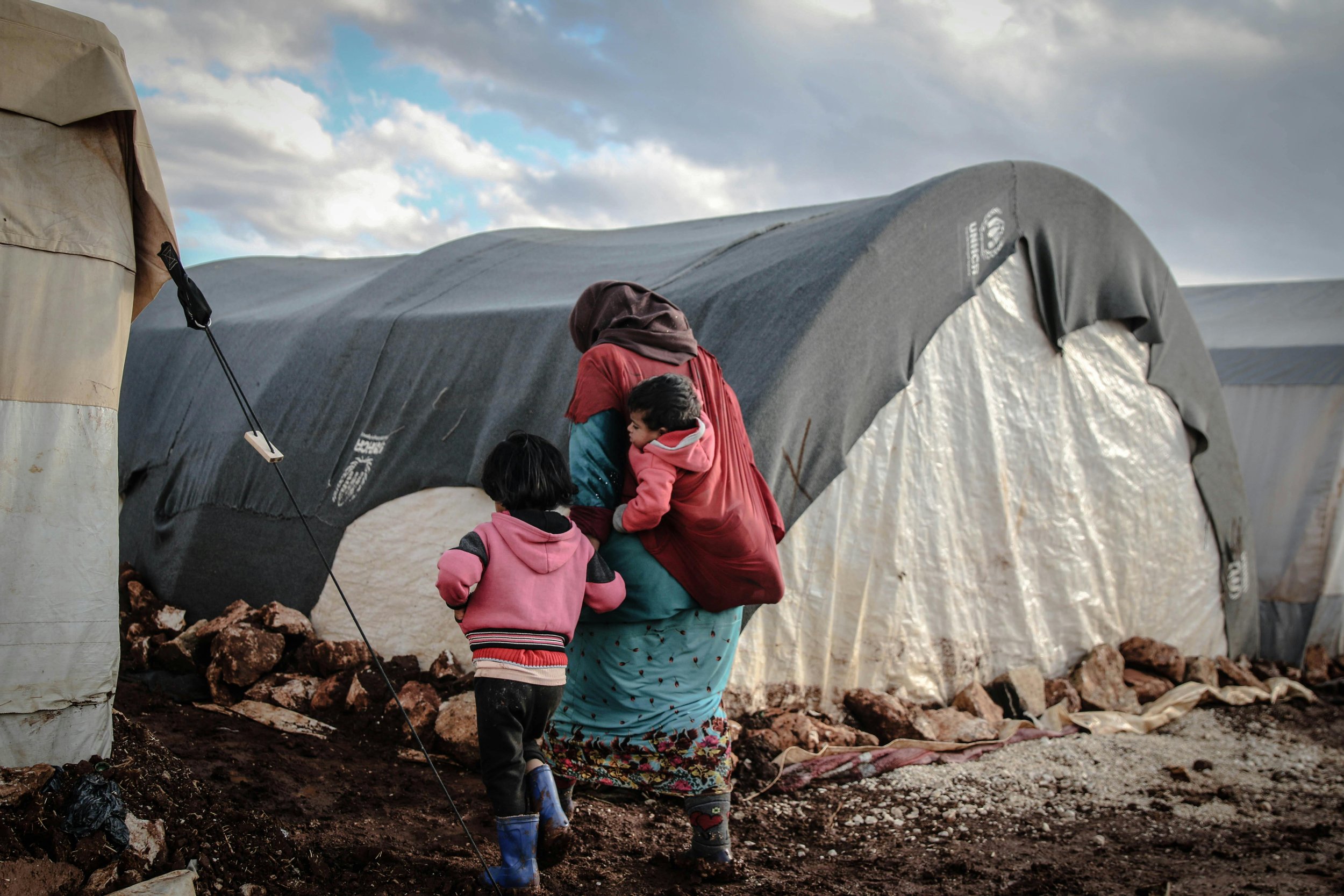
Migrants and displaced people in humanitarian settings often speak languages that frontline health and social service providers do not, creating serious barriers to accessing emergency care, protection services, and reporting abuse. This pilot will introduce solar-powered, offline translation devices in health facilities and shelters, enabling real-time communication between migrants and staff as a sustainable alternative to costly interpreter services.
Our learnings and stories so far
This pilot hasn’t started to publish yet, but there are plenty of other blogs to read below. Check back soon!
APPLICATIONS OPEN: We’re looking for a strategic advisor that can help the FOUND pilot, supported by the Frontier Tech Hub, move away from early-stage thinking towards questions of impact, adoption, sustainability and influence.
Around the world, people are looking forward to different celebrations to mark the end of the year. We’ve been counting down the days in December with a list of films to settle down to watch, to remind your brain what’s possible when imagination, innovation and frontier technologies collide.
Despite growing confidence in AI, there’s more appetite than ever to experiment with and learn about it in safe, low-risk ways. Here are three ways we've been intentionally creating space to play with AI.
Can banana-fibre paper reduce nematode-related losses in white yam production in northern Ghana? Our two discovery reports outline the promises of a novel nature-based solution and the practical steps towards real-world adoption.
What happens when climate-driven forest fires outpace the capacity of existing fire detection and response mechanisms? Our pilot in Pakistan looked at how AI can enable early-warning systems for forest fires. Read the findings here.
Tackling the illegal wildlife trade is made harder by the limited tools to accurately identify species and determine their origin. Our MinION pilot in Colombia looked at portable DNA sequencing for better wildlife protection.
Gaps in WASH asset data mean that broken water points often go undetected, disproportionately affecting remote and marginalised communities. This pilot looked at how AI-assisted validation could strengthen oversight and ensure WASH infrastructure issues are addressed before they escalate.
Rapid digitisation of local health systems risks leaving behind those most in need of services. This report examines how practical digital features can improve visibility of vulnerable patients and support more equitable outreach.
Each month we take one global critical challenge and explore what’s happening on the frontier of innovation. This month we're On the Frontier of Biodiversity Data.
Driven by the rise of AI tools and the explosion of the global datasphere, governments are facing a rapid shift in how data is created and used. This blog examines the new skills and organisational changes needed for governments to use AI for data analysis responsibly and effectively.
The tiny tweaks, big-time losses and moments that lead to better solutions for those who need them most.
Four years ago, we wrote about failure as something to minimise. Today, we celebrate it as our most valuable asset.
We are now accepting grant applications from innovators who are developing tech solutions to unlock adaptation finance and strengthen MSME resilience in Viet Nam and the Philippines. Click here for more.
The Frontier Tech Hub works with UK Foreign, Commonwealth and Development Office (FCDO) staff and global partners to understand the potential for innovative tech in the development context, and then test and scale their ideas.

From Tanzania and the Sahel to Ukraine, Mexico, and Southeast Asia, this new cohort reflects a drive to design and harness tools for the fragile systems, low-connectivity environments, and real institutional constraints that need innovative solutions more than ever.