A blog by Alison Filler, Climate Adaptation technical expert, and Nathan Kably, Gita Luz, and Sammy Fookes, Frontier Tech Coaches

Climate shocks travel across food supply chains, but adaptation finance remains fragmented into isolated pilots and deals. The next phase of adaptation finance must connect the entire chain by linking scalable capital to tested solutions that stand together as a cohesive investment category, rather than individual experiments.
Climate adaptation needs to move from isolated solutions to resilient supply chains
Climate shocks do not respect the boundaries of a project, a company, or a farm. Droughts reduce production. Floods disrupt processing. Extreme heat overwhelms cold storage. Storms cut off transport routes. Across Southeast Asia’s food systems, these risks are connected, stretching from farming and fishing communities, through to processing and distribution centers, and ultimately to retailers and exporters.
Despite the interdependent nature of our food systems, the way we finance climate adaptation – the approaches and structures that stabilize food production, transformation, and distribution – remains fragmented. Promising solutions too often stall at standalone pilots and grants. Investors encounter opportunities one by one, which are frequently too early stage or pioneering in nascent markets to justify the cost of diligence. Lessons from one pilot rarely create a clearer pathway for the next.
At Frontier Tech Hub, we are building a new phase of adaptation finance; one that looks beyond individual technologies and transactions and, instead, towards solving the gaps within the food system to improve its overall resilience. This means identifying where climate shocks create breakpoints across the food supply chain to build a more connected pathway from innovation to evidence to investment, in such a way that adapts our economic systems to new climate realities.
A supply chain is only as resilient as its weakest link
According to the FAO, between 1991 and 2023, disasters caused an estimated $3.26 trillion in losses to crops, livestock, fisheries, and aquaculture
(FAO, The Impact of Disasters on Agriculture and Food Security 2025)
Over 90% of these disasters were climate-related. Southeast Asia has experienced a disproportionate share of disaster impacts, with businesses across the region already facing hundreds of billions of dollars in climate-related costs (CIIP, Building a climate-adapted and resilient agri-food system in Southeast Asia, 2026).
While these aggregate figures demonstrate the scale of the challenge, they obscure how resilience breaks down in practice. A fisher without an income buffer continues traveling out to sea in dangerous weather. A farmer facing rising production costs chooses to maximize short term yields to repay debts rather than invest in the long term health of the soil. A seafood buyer’s default market practices suffer the financial whiplash imposed by the latest typhoon.
These problems share a common feature: the greatest barrier to scaling climate adaptation is not a lack of awareness of growing climate risks throughout the food supply chain. It is the financial ability and incentive to act on these risks. When the more resilient option is economically out of reach, vulnerability persists, even where the technology to address it already exists.
The funding system has its own breakpoints
There is no shortage of promising ideas in the area of technology to address climate adaptation and resilience. Solutions are emerging in parametric insurance, early-warning systems, resilient cold storage, shelf-life enhancement, weather-integrated routing, and climate risk data.
There is also a growing community of investors who are ready to back adaptation ventures. CIIP surveyed 165 Asian funders representing over $1 trillion in AUM, who ranked agriculture and fisheries as their top sectors of interest for adaptation. However, these sectors still attract only 6% of documented adaptation finance (CIIP, Climate Adaptation and Resilience in Asia: Pricing Risk, Sizing Opportunities, Financing Solutions, 2026).
Pipeline was cited as the central barrier: most ventures remain too early stage, small scale, or unproven to attract the private investment needed to scale.
The challenge is not merely a shortage of capital or innovation. It is a market coordination problem. To successfully raise private capital, each venture is forced to rebuild the case for investment on its own; there is no predominant narrative guiding investors towards this space. At the same time, funders lack the data to compare adaptation tech investment opportunities on like terms, so each venture is assessed in a category of its own. This fragmentation of the market keeps progress and learnings siloed, and innovations are perceived as nascent and high risk.
Adaptation tech needs to be defined as its own investment category in order to crowd in capital. Until we establish this critical pathway between what works and what scales, adaptation will continue to be seen as the remit of the public sector and solutions will remain stuck in pilot mode.
FIRST Fund bridges the gaps in the capital stack
In order to define this investment category, it is time for adaptation finance to play a different role. This is the thesis behind the Facility for Investment Readiness and Scalable Technology (“FIRST Fund”) by the Frontier Tech Hub.
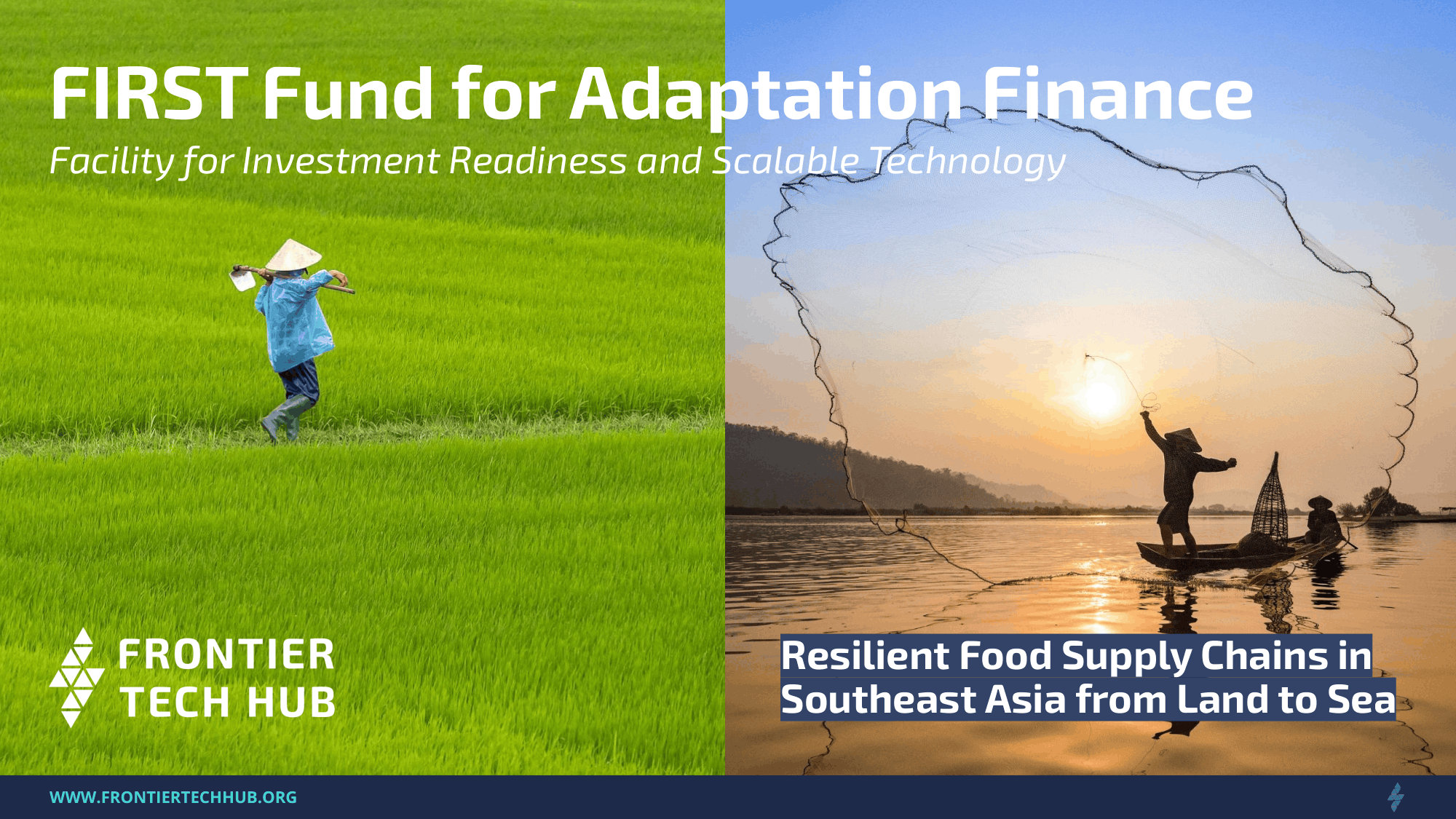
Instead of starting with a technology and asking where to deploy it, we start with the breakpoints that make food supply chains vulnerable. Where does a climate shock wipe out income? Where does a lack of liquidity prevent investment? Where do weak incentives drive maladaptive behavior?
From there, we test whether technology and financial innovation change the economics of adaptation. Testing solutions is only part of the answer, though; we also need to change how evidence and opportunities move towards capital.
The FIRST Fund provides entrepreneurs with flexible funding and hands-on technical assistance to test critical unknowns against real-world constraints, generates useful evidence for capital providers, and brings these funders and investors into the learning process earlier. Over time, it means moving from isolated opportunities towards curated, vetted pipelines that reduce fragmentation, spread risk, and create clearer entry points for impact VCs and other mission-driven investors.
Portfolio two: connecting the food supply chain
To test our thesis at the entrypoint of food production, our first portfolio featured three parametric insurance pilots supporting farmers and fishers in Vietnam and the Philippines. Our next step is to move further across the food supply chain to address five key breakpoints: production; food handling and storage; processing; distribution; and retail and export.
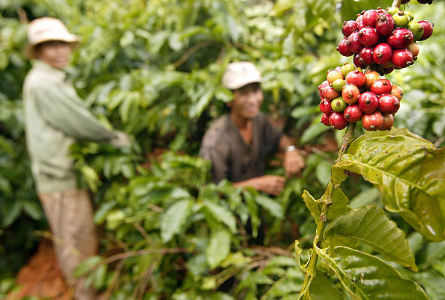

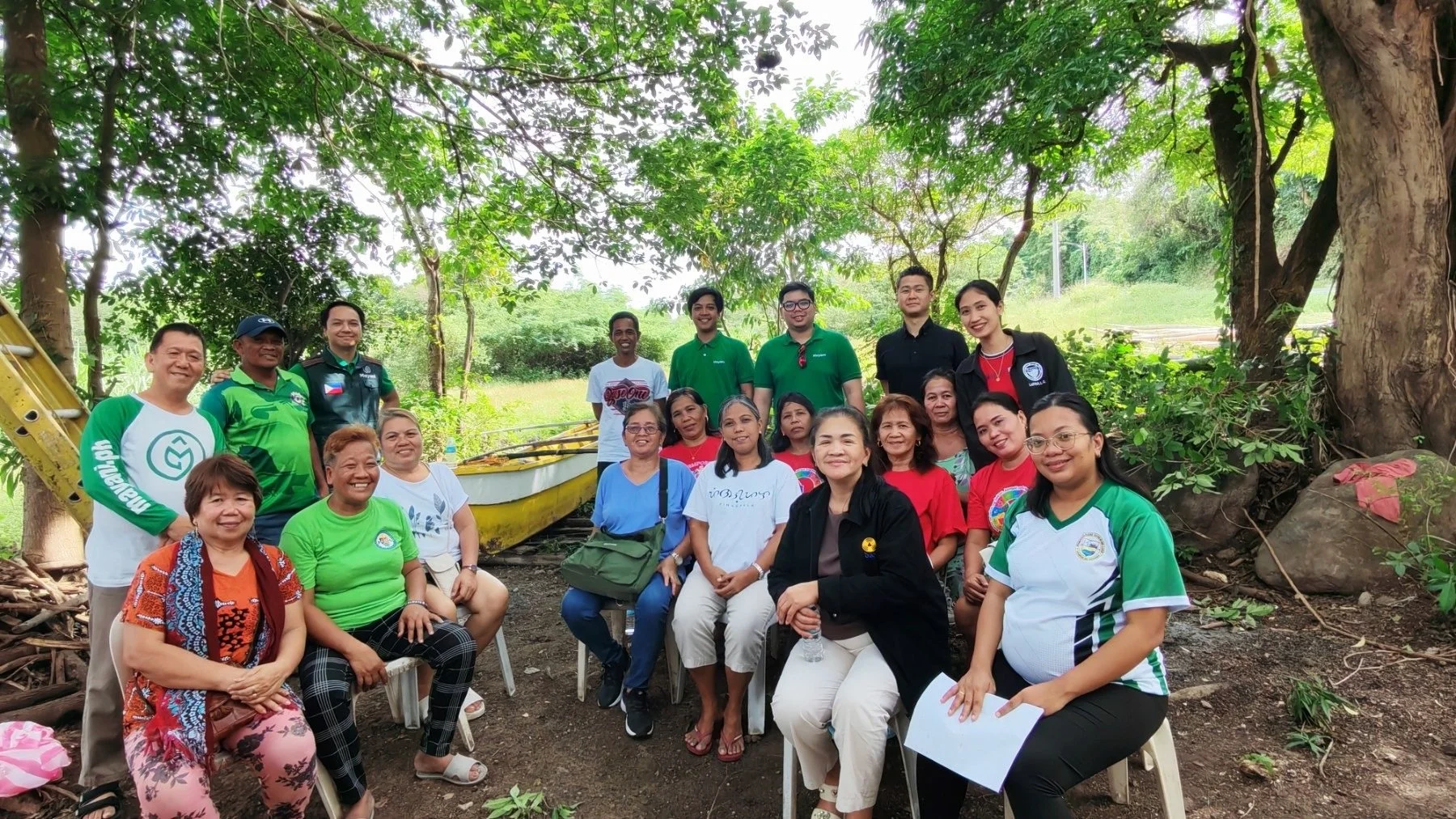
We're now gathering a curated circle of funders and investors to shape the FIRST Fund's second cohort from the inside. Partners will have the opportunity to shape funding calls, success criteria, and venture selection. This is a seat to learn from the emerging adaptation tech market, get visibility to and build connections with a de-risked portfolio of ventures, and regularly exchange with a group of funders actively investing in this space.
To learn more, RSVP here to join our funders circle kickoff call on July 22, 2026.
If you’d like to dig in further…
📚 What investors really want to see in climate adaptation startups