
Market-backed Climate Insurance for Fisherfolk
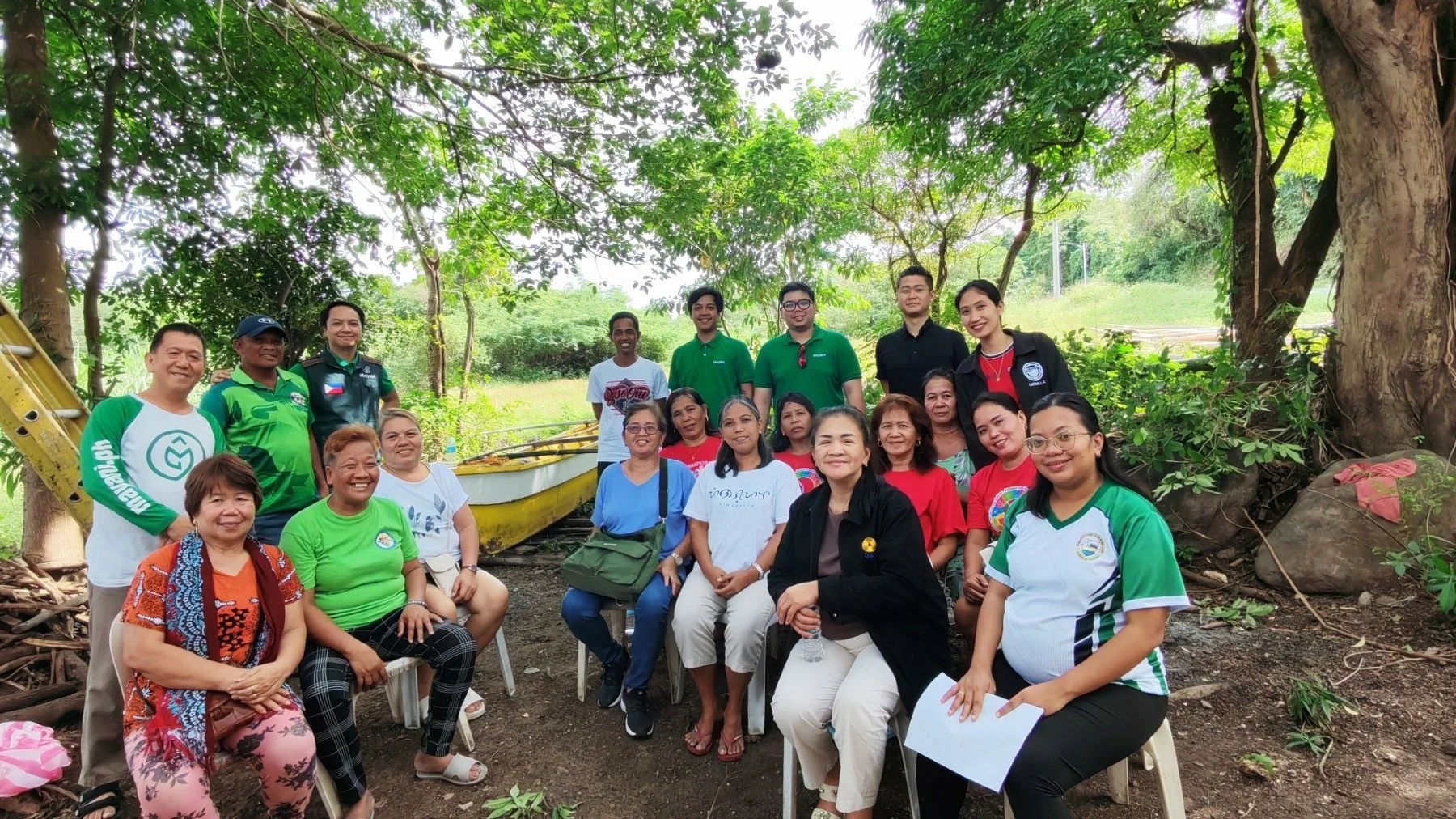
THE QUESTION
Can market offtake-linked parametic insurance help smallholder fisherfolk build financial stability and climate resilience?

LOCATION: Philippines
SECTOR: Climate
TECH: Sensors, Digital Tools and Services
TIMELINE: December 2025 - March 2026
PARTNERS: MAYANI (Philippines) & Hillridge Technology (Asia Pacific)
The Challenge
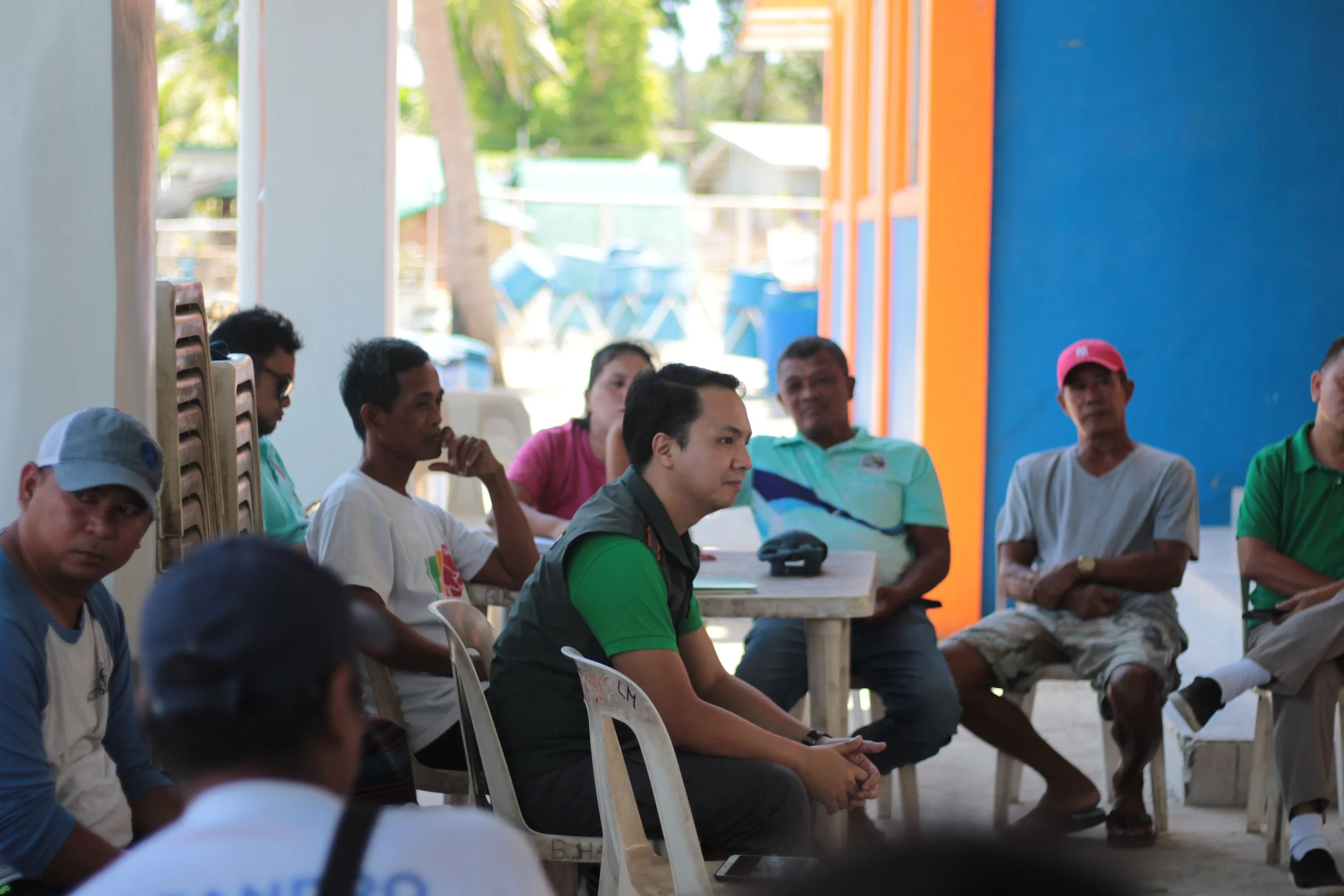
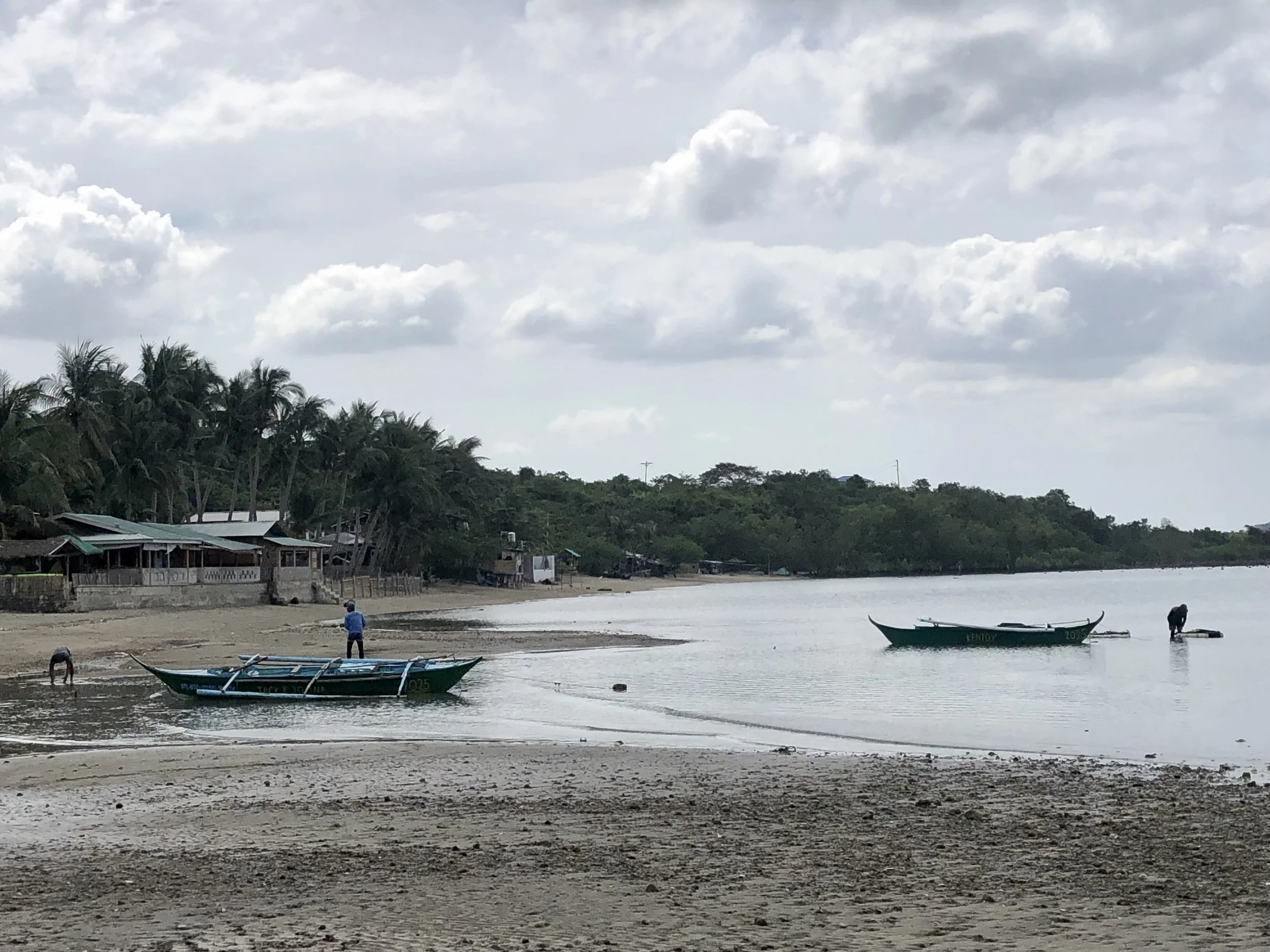
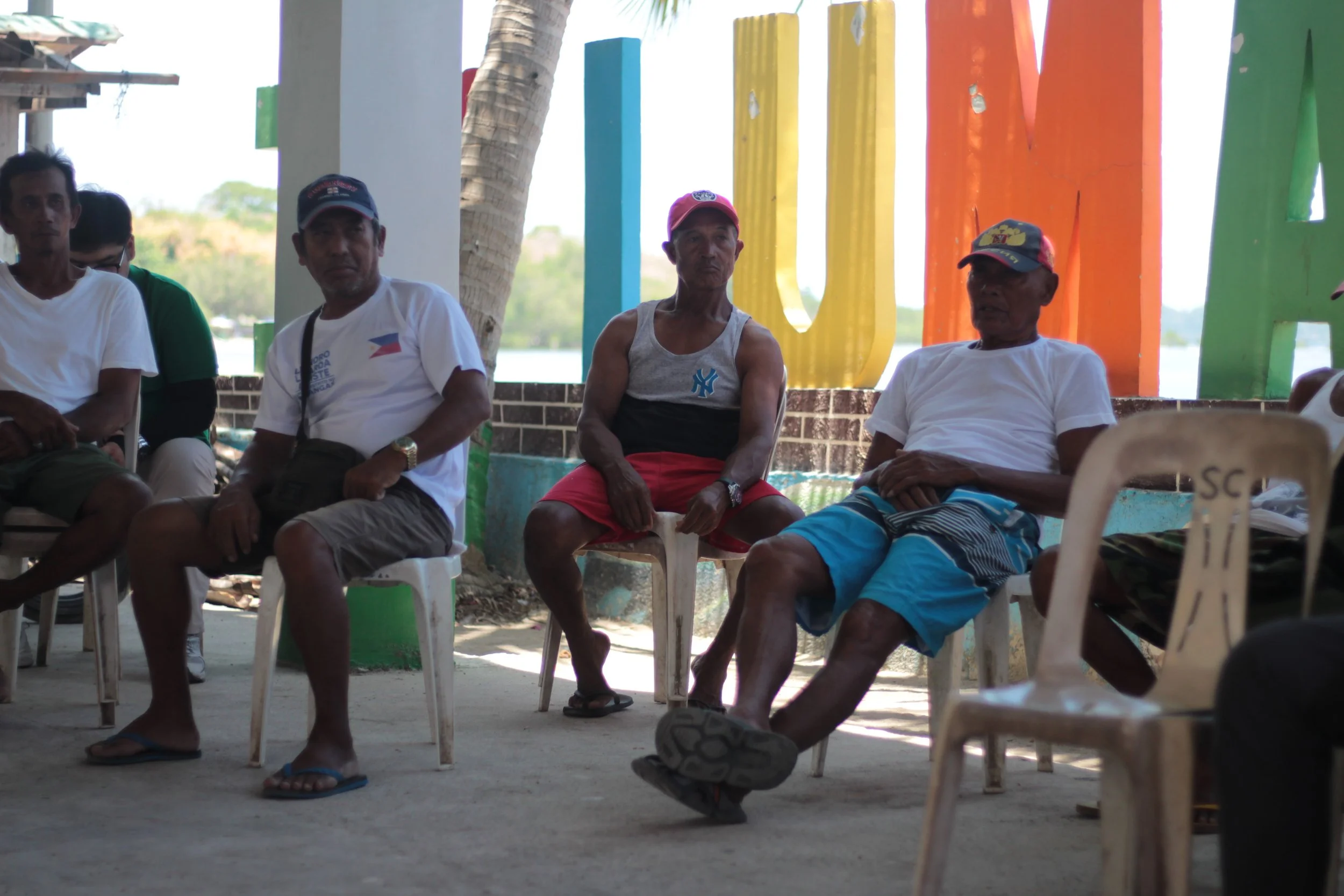
Small-scale fisherfolk in the Philippines are already on the frontlines of climate disruption — but most have no meaningful protection when extreme weather hits. Around 1.2 million small-scale fisherfolk are vulnerable to extreme weather events, yet only 2% have any form of risk transfer protection.
When high winds and storms stop people from going out to sea, it doesn’t just reduce income — it can wipe it out. One week of high-wind events can remove 70–100% of household income, and typhoon-related losses in fisheries reach $94M annually.
At the same time, climate vulnerability is compounded by a second problem: income instability driven by weak market linkages. Without predictable demand or fair pricing, fisherfolk have limited ability to invest in safer practices, better gear, or recovery strategies that strengthen resilience over time. Traditional indemnity insurance (where it exists) is often slow and expensive, and tends to support short-term recovery rather than longer-term transformation.
The Idea
This pilot will test MAYANI’s Dual-Resilience Platform — a model that combines market offtake arrangements with parametric insurance, designed specifically around the realities of smallholder fisherfolk livelihoods. The aim is to strengthen resilience in two ways at once: reducing everyday financial instability, while also cushioning households when extreme weather makes fishing impossible.
Instead of relying on slow, claim-heavy insurance processes, Mayani’s approach uses index-based triggers tied to measurable weather signals such as wind speed, wave height, and rainfall, using climate datasets and satellite-derived data. This means payouts can be triggered quickly when conditions prevent fishing, without needing a detailed damage assessment on the ground.
Crucially, the insurance is designed to sit inside a broader market system, rather than as a separate product fisherfolk must opt into and manage alone. By linking protection to market access and forward contracts, the pilot explores whether resilience can be built into the economics of the supply chain — making stability valuable not just for households, but also for buyers and partners who rely on consistent supply.
This pilot will test whether a market-linked insurance mechanism can function as a genuinely ex-ante resilience tool: enabling safer decisions, more predictable income, and faster recovery — without pushing climate risk back onto fisherfolk themselves.

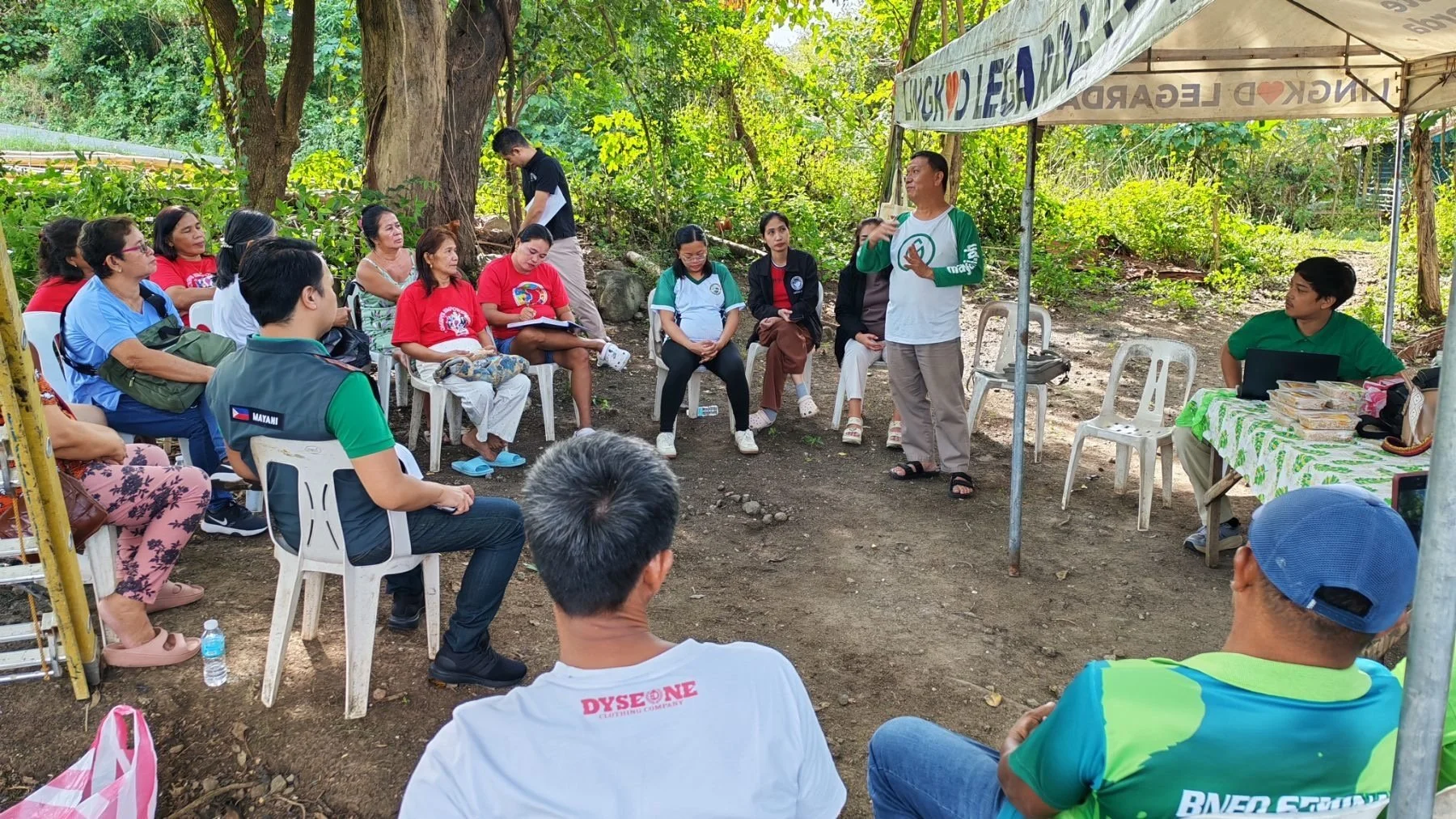
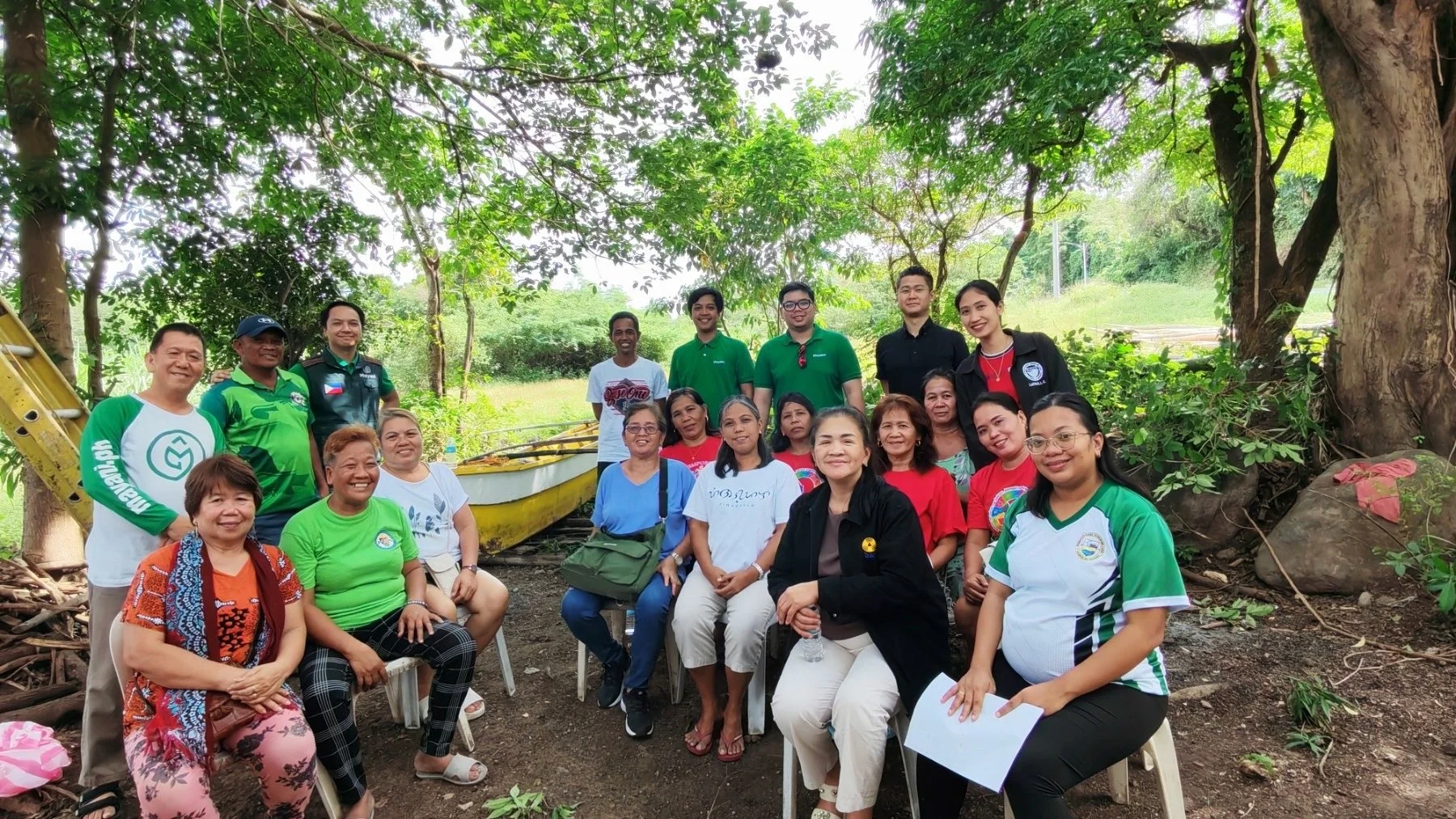

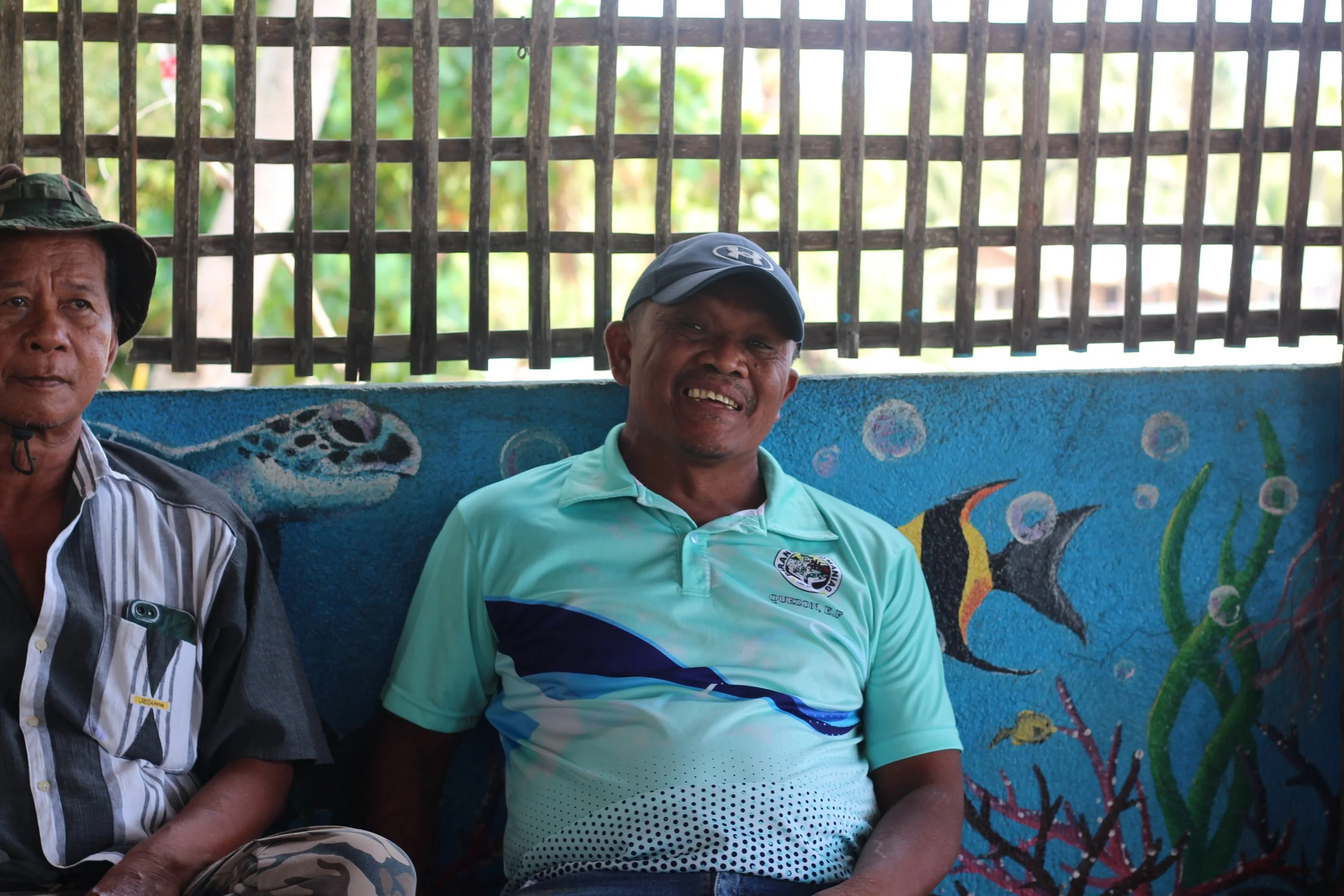
Our learnings and stories so far

A new film and report sharing what we learned from our first climate adaptation portfolio. Can frontier technologies turn climate risk into something someone is willing to pay for?