
Last Mile Climate Insurance Payouts
THE QUESTION
Can climate insurance payouts be more inclusive and reliable for small-scale fishers, without building new systems?
The Challenge
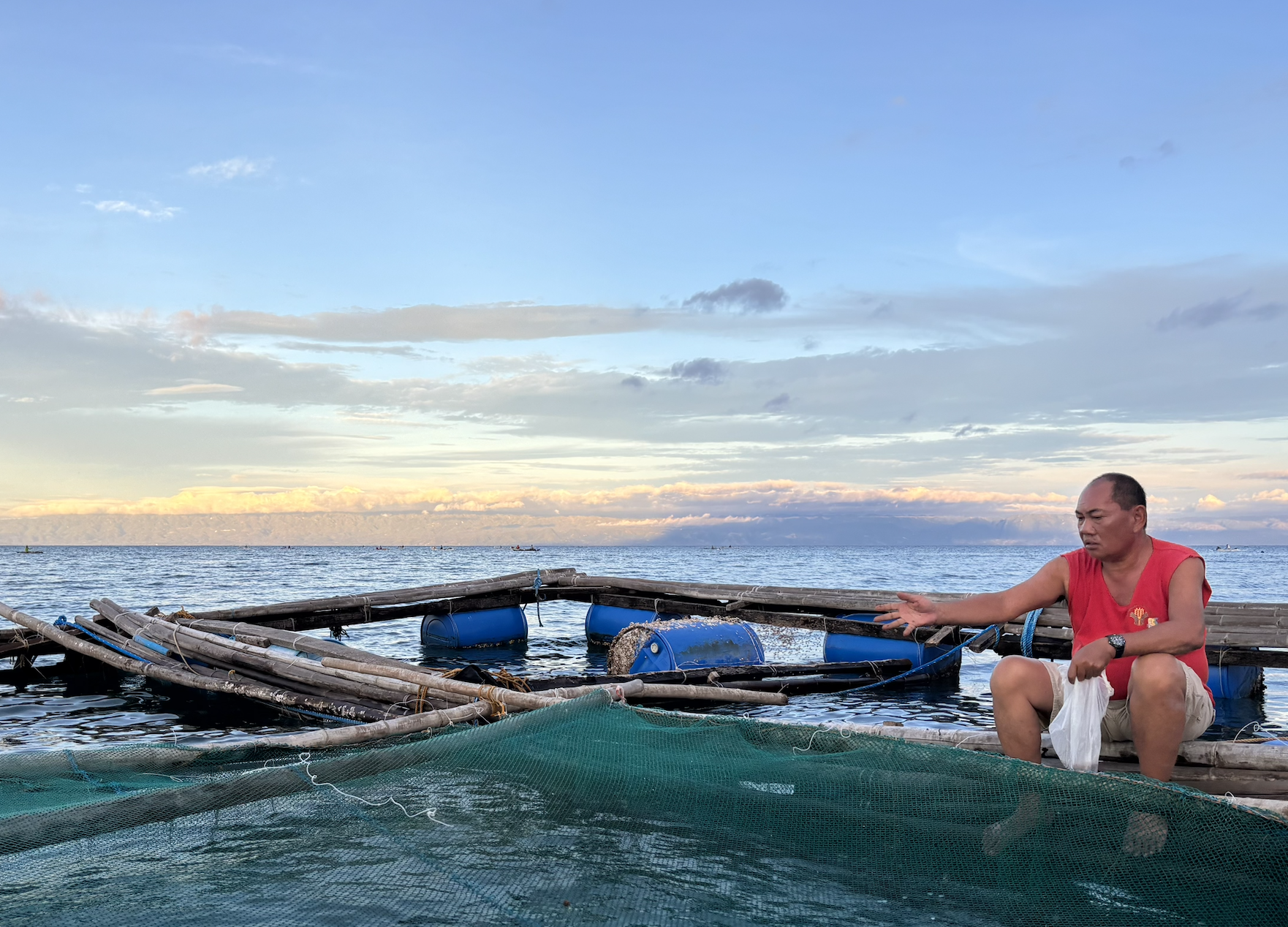
Across the Philippines, small-scale fishing communities are facing intensifying climate shocks, alongside long-standing challenges around income volatility and financial exclusion. Even where climate adaptation finance is increasing globally, it often fails to translate into systems that work reliably at the last mile — reaching people quickly, clearly, and in a way that strengthens confidence over time.
Rare has supported the launch of a world-first parametric insurance product that offers protection for small-scale fishers in the Philippines. This represents a major milestone, but the real measure of success is whether payouts can consistently reach fishers quickly and fairly, including those living in remote coastal settings.
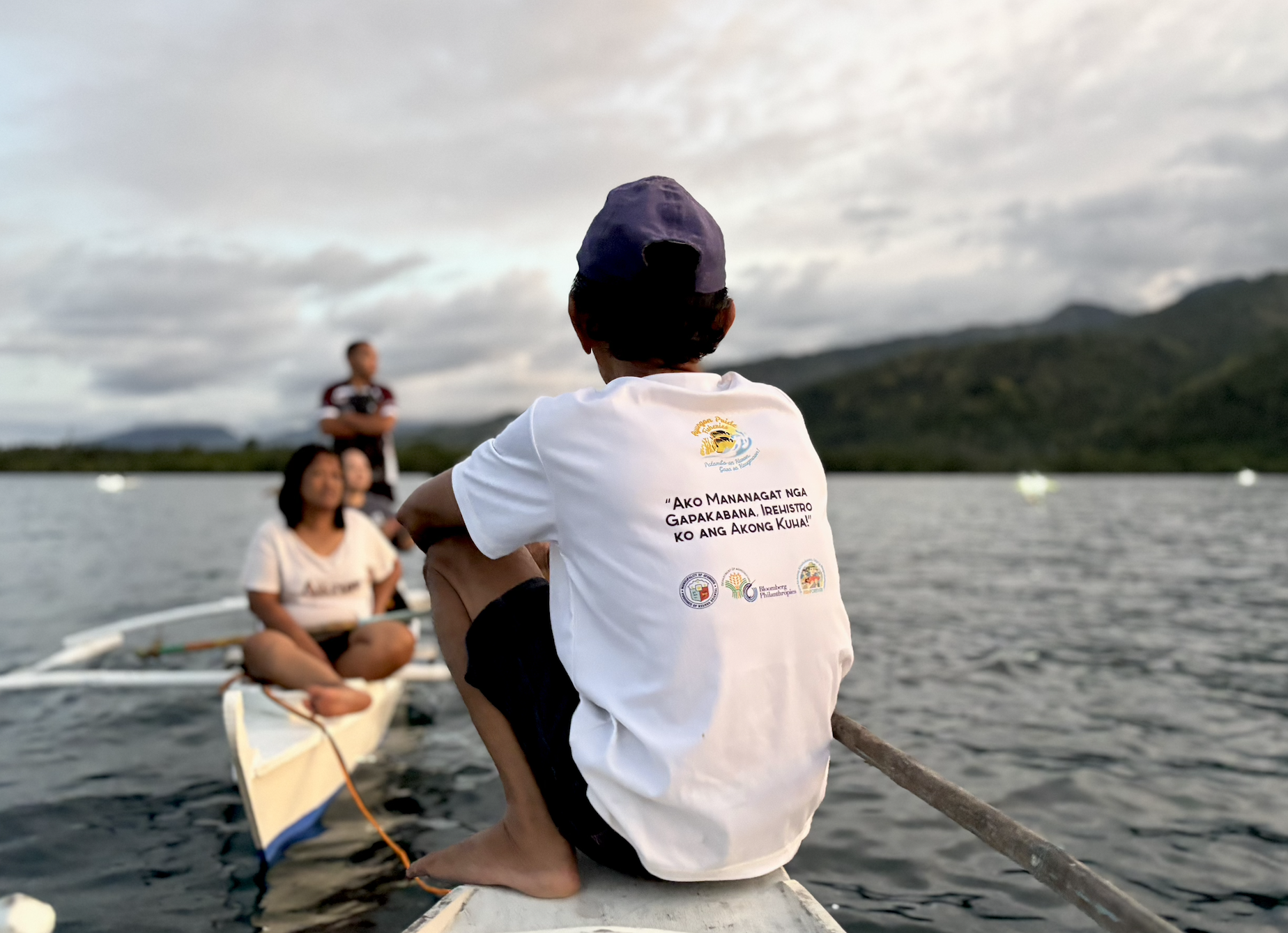
At present, there are significant barriers in last-mile delivery. Many fishers do not have smartphones, do not have the required Know Your Customer (KYC) documents, or do not have verified electronic wallet accounts — and without this identity verification, digital payout providers cannot safely confirm the recipient and disburse funds directly, which can force payouts onto slower, less transparent alternatives. In parallel, digital literacy and connectivity constraints can make it difficult for people to access, understand, and trust digital payout mechanisms.
Even when payout channels exist — including GCash, Palawan Express, and cheques — there is no consistent system for tracking and verifying whether payments were received. This creates friction, delays, and uncertainty at the point when households are most vulnerable, and risks undermining confidence in the insurance product overall.
The Idea
This pilot will run a user experience (UX) scoping study to design an inclusive and reliable pathway for climate insurance payouts in fishing communities. The central premise is pragmatic: new systems are not necessarily required. Many relevant tools and onboarding solutions already exist in the digital payments ecosystem, and the pilot will focus on identifying which of these can be adapted to the constraints fishers face in practice.
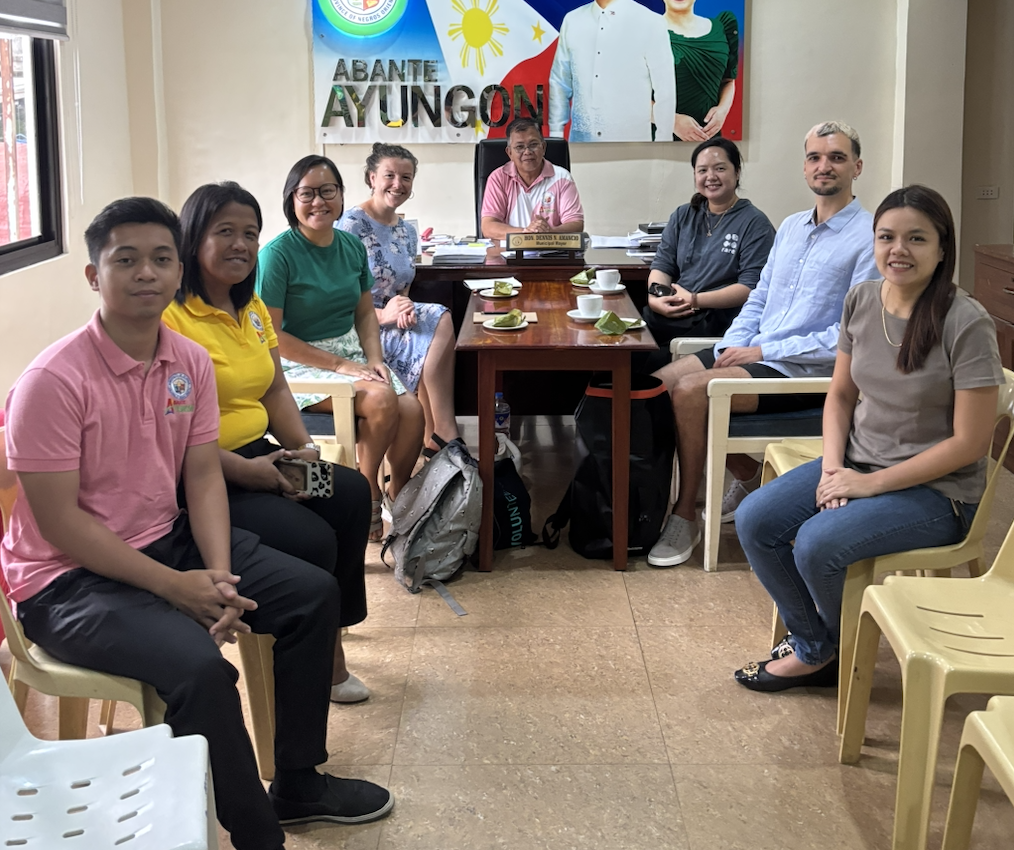
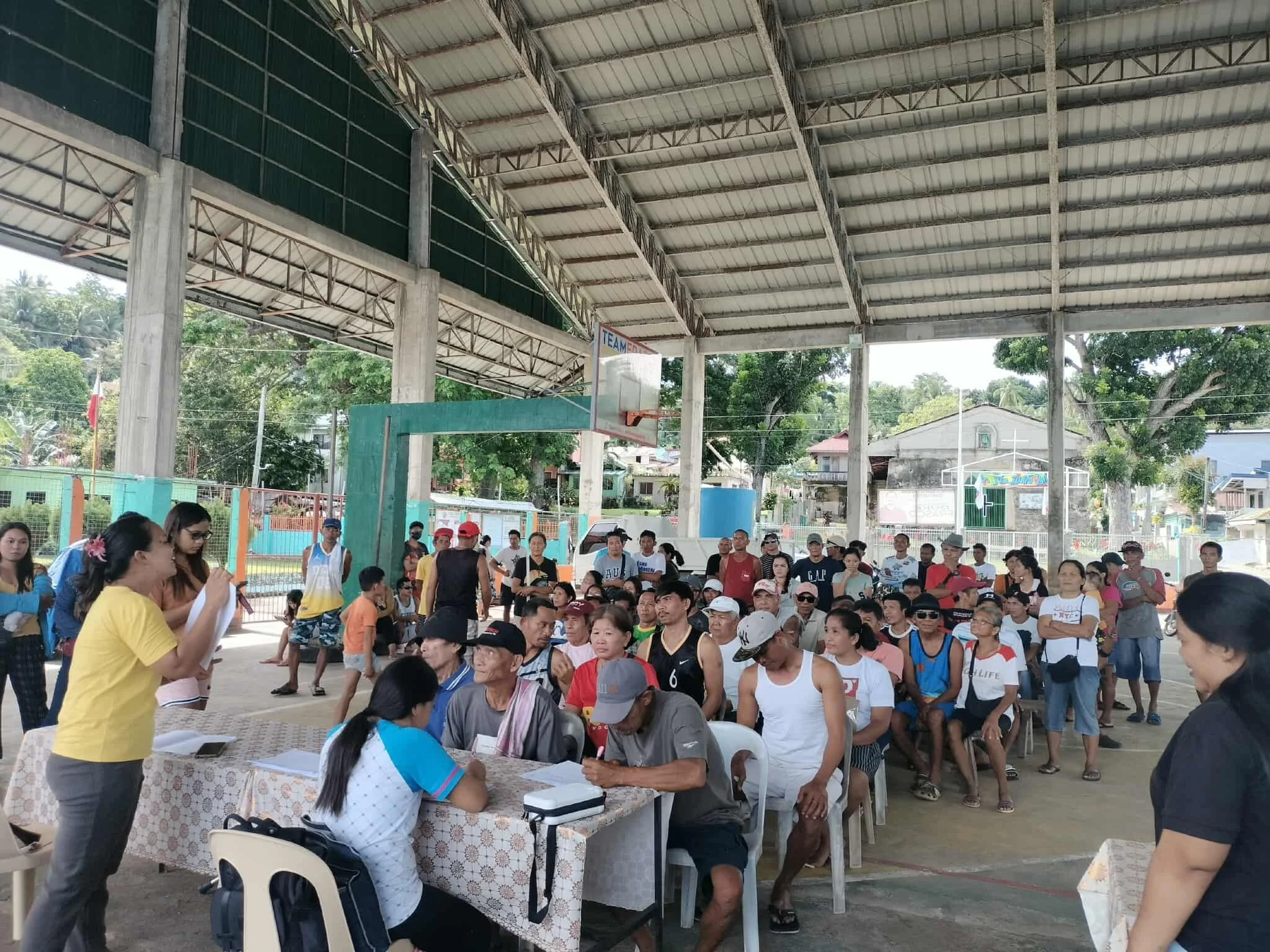
Rare and partners will map the end-to-end payout process across existing channels and identify where breakdowns occur, including barriers related to communication, access, onboarding, and verification. This will be complemented by stakeholder and community engagements in Camotes, Antique, and Negros Oriental to test whether shortlisted solutions are feasible, understandable, and appropriate for local contexts.
The pilot will then synthesise learning into a small set of feasible, tech-enabled interventions and a roadmap for future integration of the solutions at scale. Outputs will include a consolidated user journey and bottleneck analysis, a shortlist of solutions ready for partner implementation, and an insights paper to support adaptation finance practitioners working to strengthen inclusive last-mile delivery.


Our learnings and stories so far


A new film and report sharing what we learned from our first climate adaptation portfolio. Can frontier technologies turn climate risk into something someone is willing to pay for?