A blog by Alison Filler, a Frontier Tech expert, about our Climate Adaptation portfolio

Climate adaptation is increasingly recognised as one of the most urgent challenges of our time. Yet while climate risks are accelerating, capital deployment is not. Adaptation and resilience initiatives still receive only a small share of global climate finance, approximately $65 billion out of $1.9 trillion in annual flows (Climate Policy Initiative, Global Landscape of Climate Finance 2025).
Over the past year, the Frontier Tech Hub has been exploring how to diversify and scale capital into the critical area of climate adaptation and resilience. Specifically, we are supporting teams with promising innovations to transition from public grant funding to more blended or private capital streams.
Our first cohort includes three teams operating in Vietnam and the Philippines, each developing tech-enabled parametric insurance solutions to support farmers and fishers in managing climate risk. Each team is testing a distinct approach to scale climate adaptation and financial resilience solutions.
Supply chain stabilization: In the Philippines, Mayani is bundling satellite-enabled insurance coverage into offtake agreements to reduce climate risks and stabilize incomes for fisherfolk.
Public-private partnership:Rare, also operating in the Philippines, is collaborating with local government agencies to design inclusive insurance models, including digital payout pathways for fishers without access to smartphones or formal bank accounts.
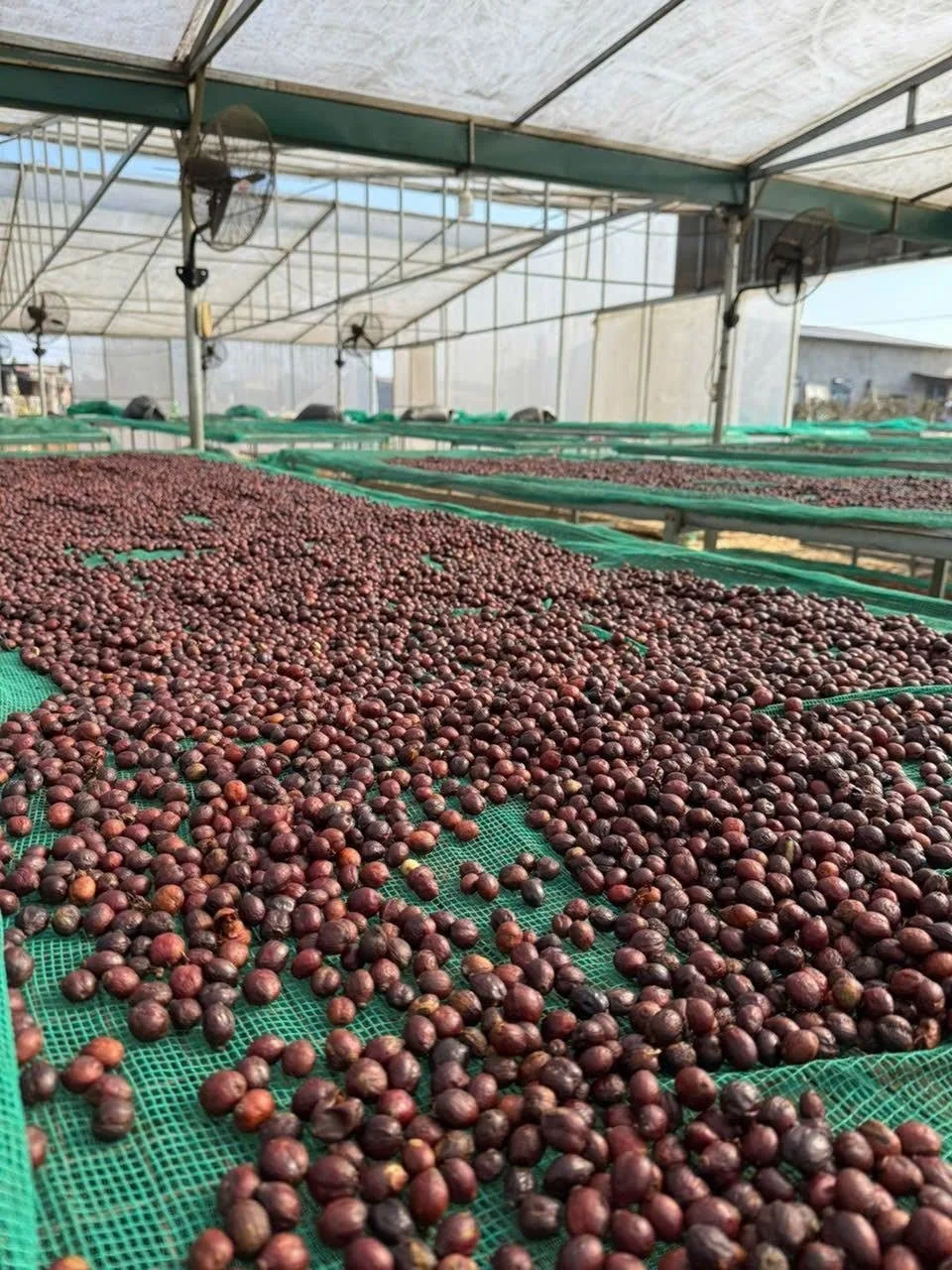
Premium market access: In Vietnam, Hillridge is linking traceability technology with weather insurance to boost the climate resilience of smallholder coffee farmers while enabling them to access higher-margin international markets.
You can read more about each of these pilots on their pilot profiles.


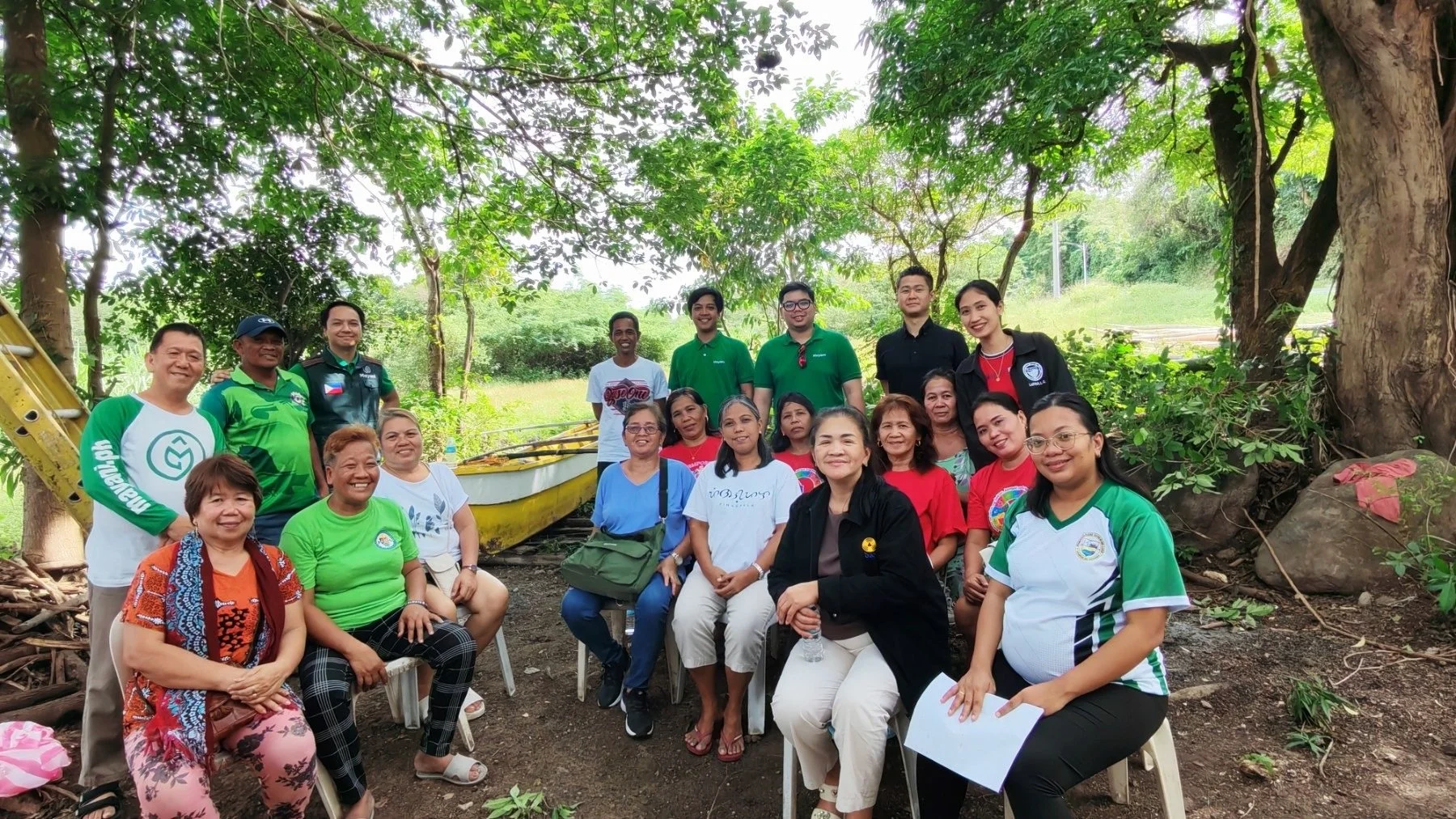
Working closely with these teams has provided a practical lens into the challenges of moving from pilot-stage innovation to investment-ready business models that demonstrate both impact and commercial viability in complex, underserved markets.
Across these models, a consistent pattern emerges: the barrier is not innovation, but the ability to translate adaptation impact into signals that capital markets can understand and price.
To support this transition, we are bringing funders and innovators closer to one another by asking: What makes adaptation solutions investable? What types of evidence will convince investors to back adaptation technologies and services?
This challenge is often described as the “missing middle” of impact finance: a gap between early-stage grant funding that supports innovation and the larger pools of commercial capital required for scale. Many adaptation solutions fall into this gap, as they are too early or too context-specific for private investors, yet too commercially oriented for continued grant support.
Through interviews with philanthropic funders, impact investors, and innovation funds working in the sector, we have begun to identify the signals investors prioritise, as well as the common pitfalls that prevent promising adaptation solutions from securing follow-on funding.
Below are several insights emerging from those conversations.
What Investors Actually Look For
Throughout our research, funders consistently pointed to five factors that distinguish early-stage innovators that successfully raise follow-on capital:
1. Grow teams to both build and sell
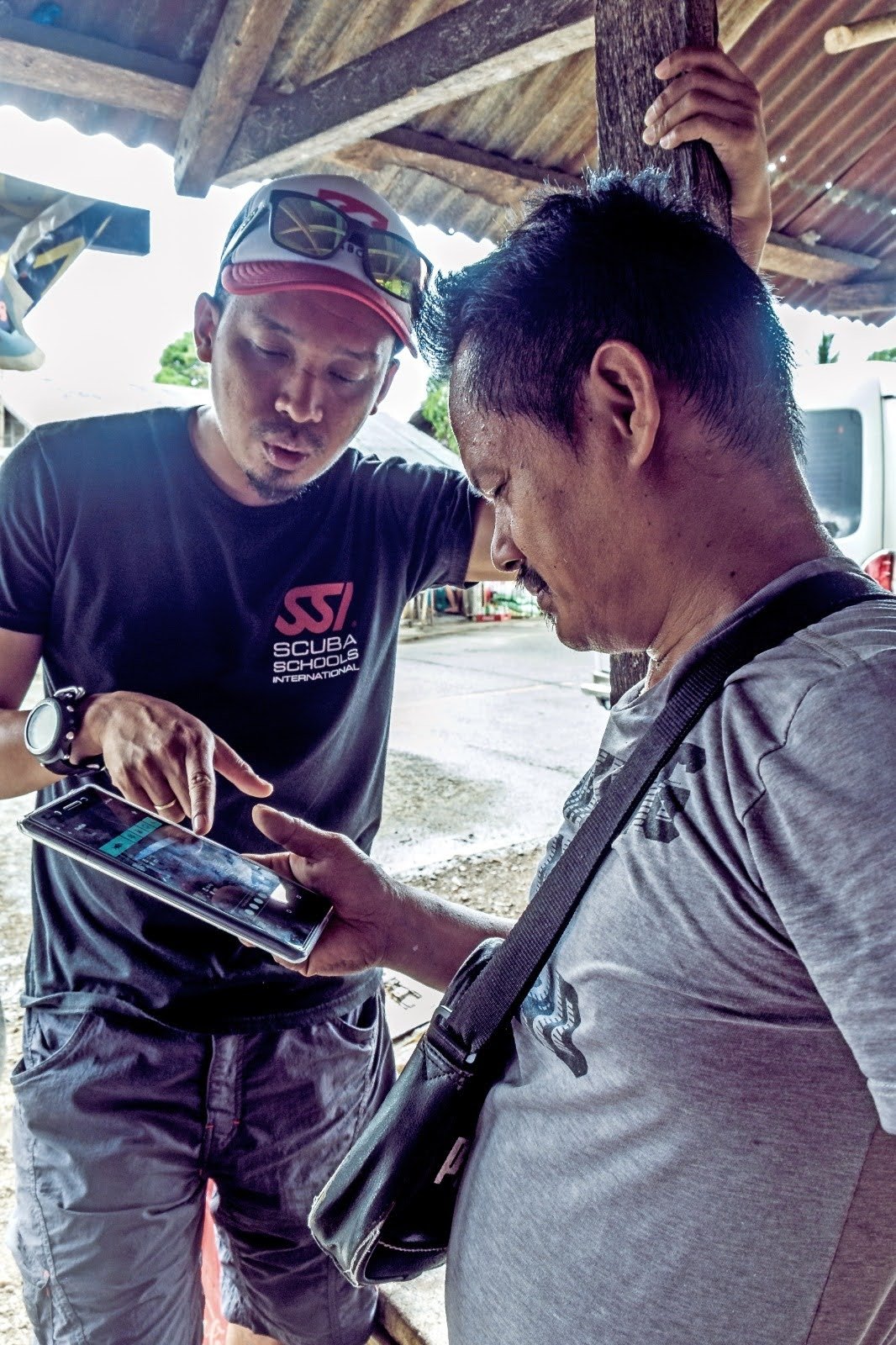
The strength of the founding team remains one of the most important drivers of investment decisions.
Many climate startups are led by strong technical founders with backgrounds in engineering, earth sciences, or research. While this expertise is valuable, investors consistently look for a balance between technical capabilities and commercial skills, including sales, operations, and market development.
Teams that combine engineering talent with commercial experience tend to inspire greater confidence that they can both launch and scale a viable company.
Funders are also cautious of the “one-person show.” Startup founders who attempt to manage every aspect of the business themselves can signal risk. Instead, investors prioritize complementary skillsets within the team and strong problem-solving capabilities to tackle the many unknowns that lie ahead for an early stage company.
In the context of climate adaptation, this often means combining climate science or risk modelling expertise with deep local market knowledge and distribution capabilities. Teams working with smallholder farmers or fishers must not only design accurate climate risk products, but also be able to build trust, navigate informal economies, and deliver solutions through robust channels that reach underserved markets.
Solutions need to demonstrate clear, repeatable growth channels are in place. Funders must know their cost of acquisition, have active distribution partnerships, and show that they can reliably expand to new geographies or segments without starting from scratch.
2. Translate adaptation impact into economic value

When transitioning from grants to other forms of capital, impact potential alone rarely attracts investment.
Funders look for clear evidence of how a solution creates financial value for its customers, whether by reducing operational costs, increasing revenue, or helping users avoid financial losses. For founders, this means articulating the economic case for their product alongside its environmental or social benefits.
Creative revenue models can further strengthen a company’s position. Some businesses generate supplemental income through financing services layered onto their core products, cross-selling complementary offerings, or earning commissions through partnerships. These approaches can improve margins and make business models more resilient.
In adaptation contexts, this can be particularly challenging, as many solutions generate value by preventing future losses rather than delivering immediate gains. Founders must therefore translate avoided risk into tangible economic and financial outcomes – such as stabilized incomes, improved yields, or access to new markets or better pricing – as well as demonstrate why customers (or intermediaries) are willing to pay for that protection.
Solutions need to demonstrate viable financial models alongside impact in the form of predictable and growing revenue while reducing dependency on any single source.
3. Prioritise market traction over technical perfection
For venture capitalists and institutional funders, traction is often the most powerful signal.
Investors look for evidence that a solution is gaining real market adoption, including strong growth rates, expanding customer bases, and a credible path to profitability. Within traditional VC timelines, companies must demonstrate the potential to scale quickly enough to generate returns (typically a ten-year horizon).
A common mistake made by early stage teams is prioritising technical perfection over market entry. Instead, startups should build iteratively, launching a minimum viable product that is “good enough” to test with real users. Early market engagement helps generate the feedback needed to refine both the product and the business model. By overemphasizing technical readiness, founders risk losing their market window to competitors.
In adaptation markets, traction may not always look like rapid user growth. It can also include repeat usage across seasons, partnerships with aggregators (e.g., cooperatives or large buyers), or embedding solutions within existing value chains. These signals demonstrate that a product is not only technically viable, but also commercially relevant in complex environments.
4. Use the right capital at the right time

Another critical factor is the ability to match the right types of capital to different stages of company growth. Founders must be clear about their capital ask, how and why it fits their current journey.
Early-stage experimentation is often best supported by grants or concessional capital, which allow companies to test demand and refine their models without immediate pressure for returns. Commercial capital, in contrast, is typically more appropriate for scaling proven solutions.
Investors look for evidence that founders are deliberate in how they sequence funding sources. Using the right capital at the right time signals financial discipline and increases confidence in the business.
For adaptation solutions, this sequencing is especially important given the higher uncertainty and longer timelines often associated with impact realization. Blended finance structures, like combining grants, concessional capital, and private investment, can play a critical role in de-risking innovation and unlocking larger pools of capital as models mature.
5. Match the right investors to your stage

Finally, founders often underestimate the importance of engaging the right investors at the right time.
Different funders have different mandates, risk appetites, and return expectations. A startup generating its first revenues will require a different type of investor than one scaling rapidly across markets. Rather than pursuing every introduction opportunity, founders should prioritize building relationships with investors whose focus aligns with their stage and sector.
Starting these conversations early is also key. Waiting until existing funding runs out can create unnecessary pressure and limit options. In practice, a targeted fundraising strategy is far more effective than a broad, unfocused approach.
In adaptation contexts, the investor landscape is particularly fragmented, spanning philanthropic funders, impact investors, DFIs, and commercial capital providers. Successfully navigating this ecosystem requires understanding not only who to approach, but also when and how to align with different expectations around impact, risk, and return.
The road ahead for adaptation investment
Climate adaptation technologies have enormous potential to help societies manage the growing risks associated with climate change and future-proof economic growth.
However, unlocking this potential is a question of investment readiness and capital alignment.
Bridging this gap will require closer collaboration between innovators, funders, and ecosystem actors to shape viable pathways to profitability and scale.
For founders in the adaptation space, success will depend not only on developing impactful solutions, but also on demonstrating the signals investors prioritise: strong teams, clear economic value, market traction, and disciplined capital strategies. As the adaptation market continues to mature, startups that combine technical innovation with business fundamentals will be best positioned to attract the capital needed to grow.
At the Frontier Tech Hub, we are now concluding our first cohort of climate adaptation innovation in Vietnam and the Philippines, and are actively building the next phase of this work, focused on strengthening investment pathways and scaling what works.
We are looking to partner with:
Funders interested in deploying capital into high-potential adaptation solutions
Innovators seeking support to strengthen investment readiness and scale their models
Ecosystem partners working to unlock new forms of climate and adaptation finance
If you are interested in joining our funding platform, our next cohort or collaborating with us, we encourage you to get in touch with us - gita@hellobrink.co and nathan@hellobrink.co.