Monitoring biodiversity with frontier sensing technologies
THE QUESTION
Can we gather better data on insect biodiversity with the help of sensing technologies and AI?

LOCATION: Kenya and Uganda
SECTOR: Nature and Biodiversity
TECH: AI and Internet of Things
TIMELINE: September 2024 - March 2025
PIONEER: Emmy Chirchir, Robina Abuya
PARTNERS: UKCEH
The Challenge
Biodiversity is declining at an alarming rate. One WWF study found vertebrate wildlife populations have dropped by an average of 69% in just 50 years. Insects—essential to ecosystems as pollinators, nutrient recyclers, and food for other animals—have seen a 75% decline in biomass over the past 27 years.
Excessive pesticide use, habitat destruction, invasive species, and climate change drive this crisis. Yet, the problem is compounded by a lack of reliable data, especially in the Global South, where biodiversity is highest but monitoring is most limited. Without this data, it’s hard to understand the scale of the problem or take action to reverse it.
We need new tools to close this knowledge gap and better understand how biodiversity is changing.
The Idea
This pilot will make use of systems that are already showing success to test and showcase the effectiveness in Kenya and Uganda, where biodiversity is rich but understudied.
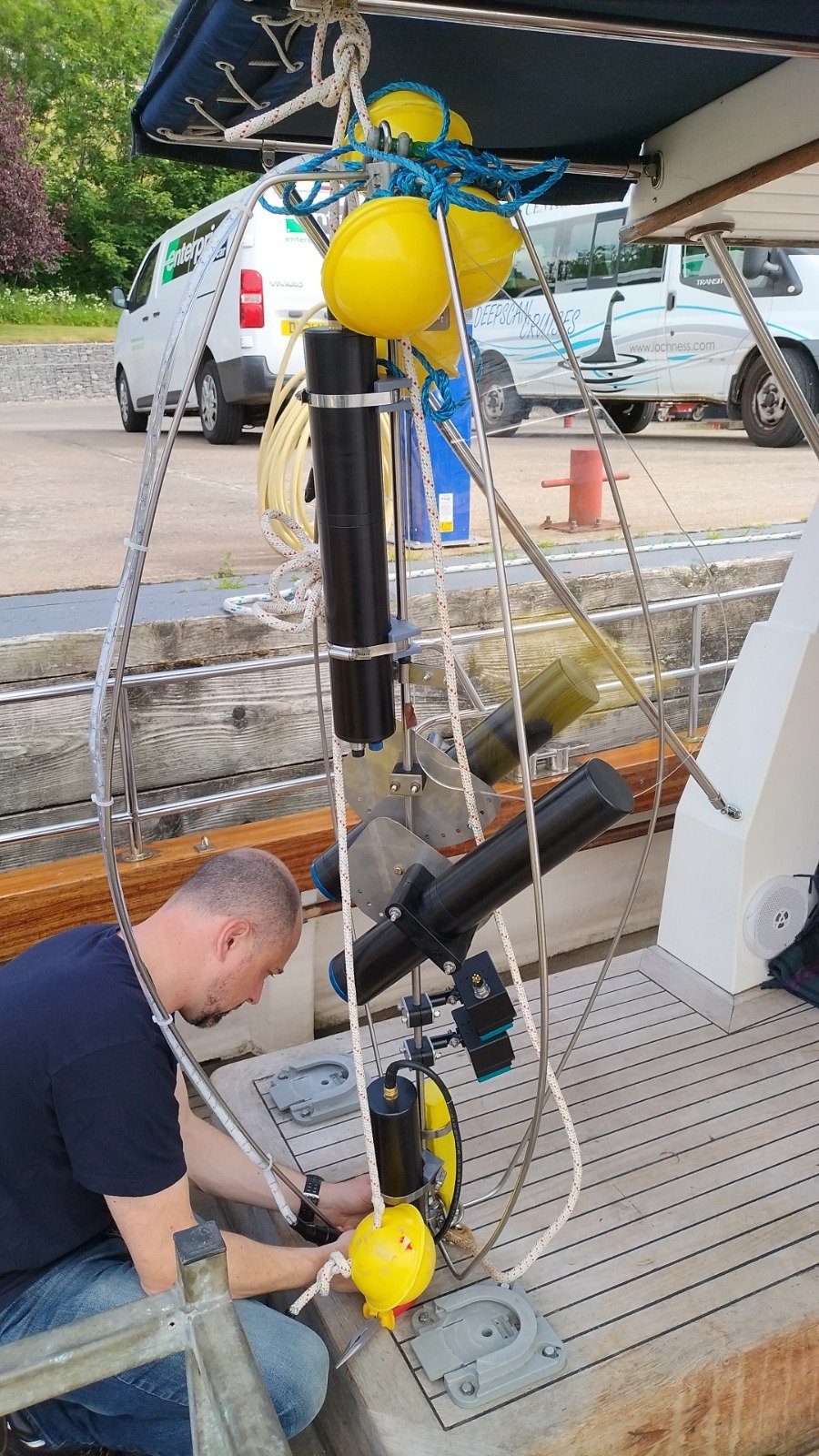
The system, known as AMI+ (Automated Monitoring for Insects), combines cameras, acoustic sensors, and AI-powered data analysis. AMI+ builds on earlier technology developed by the UK Centre for Ecology and Hydrology (UKCEH), designed to track nighttime flying insects using imaging.
The system processes data in real time with AI models and cloud-based platforms, delivering insights into insect populations and overall biodiversity. Now, a mini version of AMI+ is being developed to be more affordable and suitable for remote, less accessible areas.
The latest version adds powerful features like:
Recording audible and ultrasonic sounds to monitor birds and bats.
Sending data remotely using telemetry.
Providing automated system health checks.
Using solar, battery, or mains power for flexibility in diverse environments.
This pilot aims to:
Fill knowledge gaps: Generate new data on insect biodiversity in two highly biodiverse regions.
Showcase technology: Demonstrate how advanced sensing tools can improve monitoring efforts.
Support conservation: Provide critical insights to guide conservation efforts in regions where data is scarce.
By bringing advanced technology to the heart of the biodiversity crisis, this project hopes to better understand—and ultimately help reverse—the devastating decline in insect populations.
Our learnings and stories so far
This pilot hasn’t published any learnings or stories yet - stay tuned!
Over the past year, the Frontier Tech Hub has been exploring how to diversify and scale capital into the critical area of climate adaptation and resilience. Here’s what we learned from our first three pilots.
The World Bank calls carbon markets "essential for accelerating climate action in developing countries," but can ambitious frameworks deliver for the communities they're meant to serve?
When the Solomon Islands’ first CNC milling machine arrived, the operator role needed to be familiar with the AutoCAD design software. In a company of nearly 100 people, six were women, and two of them knew AutoCAD: Vai, and her sister. The opportunity went to Vai.
Today, Violet Ochieng is Kenya’s country representative for precision agriculture, in a field where around 90% of licensed pilots are men. She has built her expertise largely by finding her own way, and she is determined that the next generation will not have to do the same.
Pradita was an intern at Field Ready Nepal in 2017 when she saw the 3D printer on the table. Eight years after the pilot project, she is the Founder and Executive Director of Fab Foundation Nepal, continuing to explore the same question.
From Tanzania and the Sahel to Ukraine, Mexico, and Southeast Asia, this new cohort reflects a drive to design and harness tools for the fragile systems, low-connectivity environments, and real institutional constraints that need innovative solutions more than ever.
As AI capabilities evolved at breakneck speed, the DevExplorer team rebuilt their tool three times in a single year. This blog reflects on the technical and organisational lessons learned from building an LLM-powered product for international development in a rapidly shifting AI landscape.
Today, we’re announcing a new cohort of pilots harnessing frontier technologies to strengthen information integrity.
Around the world, people are looking forward to different celebrations to mark the end of the year. We’ve been counting down the days in December with a list of films to settle down to watch, to remind your brain what’s possible when imagination, innovation and frontier technologies collide.
Despite growing confidence in AI, there’s more appetite than ever to experiment with and learn about it in safe, low-risk ways. Here are three ways we've been intentionally creating space to play with AI.
While AI tools for monitoring forest cover exist already, these solutions are often trained on data that does not apply across other contexts. Our pilot in Tanzania found that impact depends on local skills, institutions, and long-term ownership.
Can banana-fibre paper reduce nematode-related losses in white yam production in northern Ghana? Our two discovery reports outline the promises of a novel nature-based solution and the practical steps towards real-world adoption.
Explore related pilots
Curious about how frontier technologies are impacting nature and biodiversity? Read about our other pilots in this sector 👇🏽

Can drone imagery and AI map reef health at scale, providing faster and lower-cost alternatives to traditional underwater monitoring in the Caribbean?
Can open data systems help smallholder farmers prove they’re following deforestation rules and stay in global supply chains?
Can we gather better data on insect biodiversity with the help of sensing technologies and AI?
Can drones deploy a special nano-biogel fire retardant in Brazil’s forests to stop the spread of wildfires?
Can low-cost, easy-to-deploy deep sea cameras enable low-to-middle income countries to explore the deep-sea?
Can DNA forensics help authorities tackle illegal wildlife trade in Colombia?
Can an AI-enabled fire detection system prevent wildfires through machine-learning and quickly notify authorities when a fire is detected?
Can a digital platform improve the bivalve (oysters & mussels) market in coastal communities in Mozambique whilst improving livelihoods and promoting conservation?
The Frontier Tech Hub works with UK Foreign, Commonwealth and Development Office (FCDO) staff and global partners to understand the potential for innovative tech in the development context, and then test and scale their ideas.

Can AI enable civil society organisations, culturally and contextually embedded but often under-resourced, to act faster and at a more ambitious scale to create more resilient societies, and to detect mis- and disinformation initiatives more effectively?