Data for matchmaking: connecting start-ups and funders
THE QUESTION
Can an AI-powered platform connect Kenyan start-ups with the right funders to help them secure early-stage investment?
LOCATION: Kenya
SECTOR: Sustainable Economic Development
TECH: AI
TIMELINE: September 2024 - Present
PIONEER: Daniel Wilcox
PARTNERS: TBC
The Challenge
Funding is one of the biggest hurdles for start-ups in Kenya. Entrepreneurs often don’t know where to seek funding or face long and complicated application processes. On the other side of the coin, many investors hesitate to back early-stage ventures due to perceived risks and regulatory barriers.
Kenya is home to about 7.41 million micro, small, and medium enterprises (MSMEs), yet according to a World Bank report, over 40% cite access to finance as a significant obstacle to growth. Around 70% of start-up loan applications are rejected, leaving many businesses stuck in a cycle of financial insecurity. Meanwhile, investors and venture capitalists struggle to find and vet promising ventures to support.
This disconnect between start-ups and funders stifles innovation, limits job creation, and slows economic growth in one of Africa’s leading hubs for entrepreneurship.
The Idea
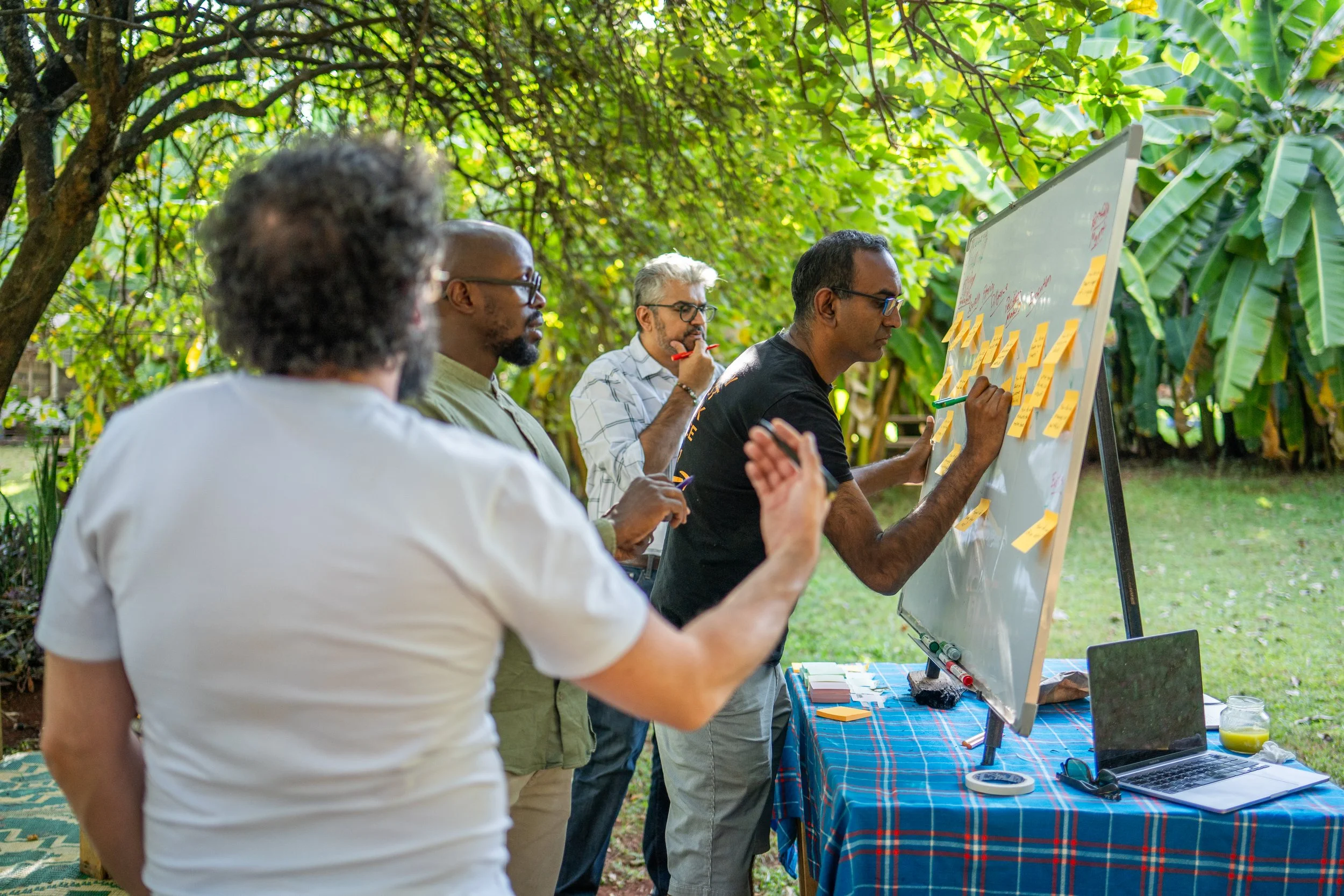
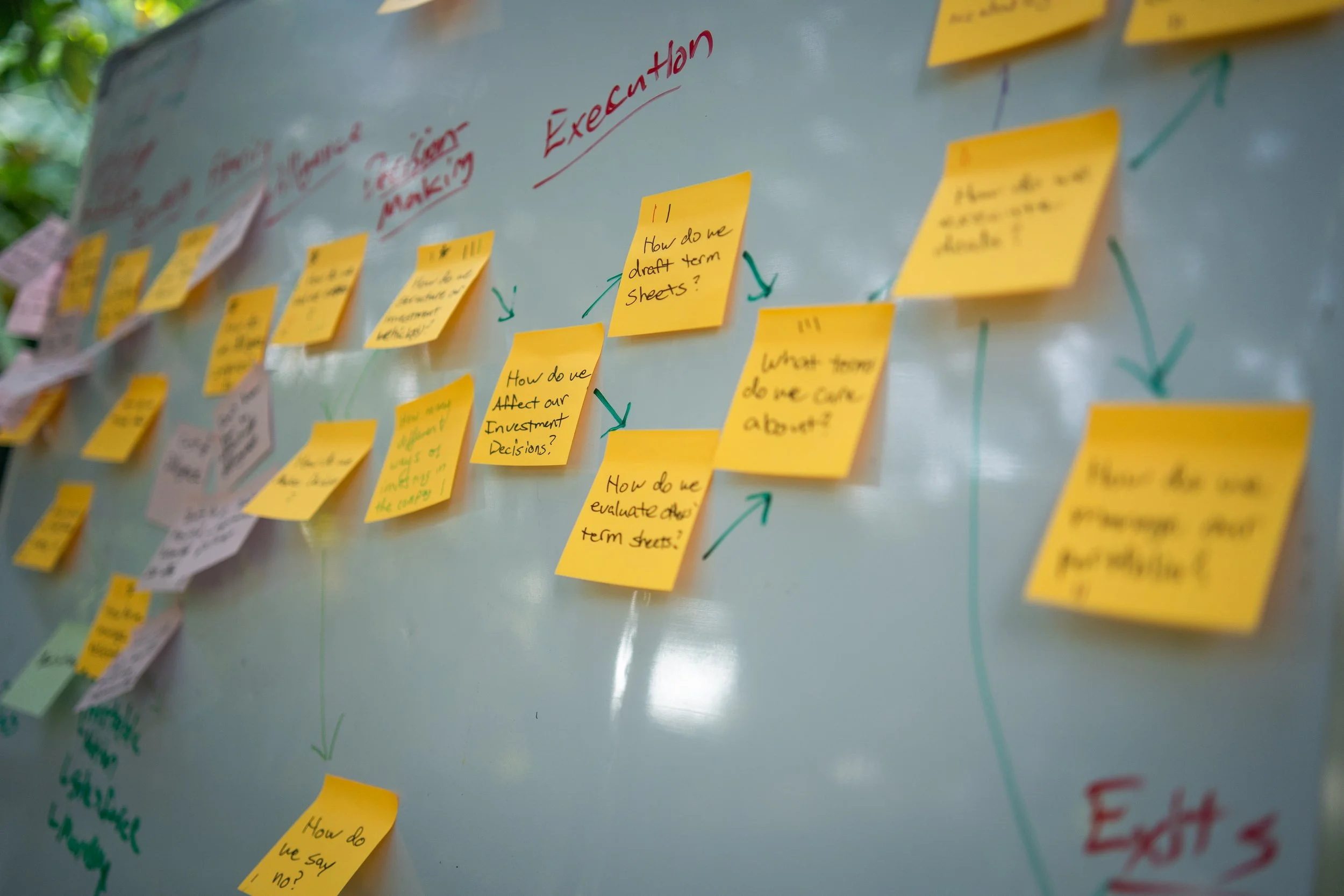
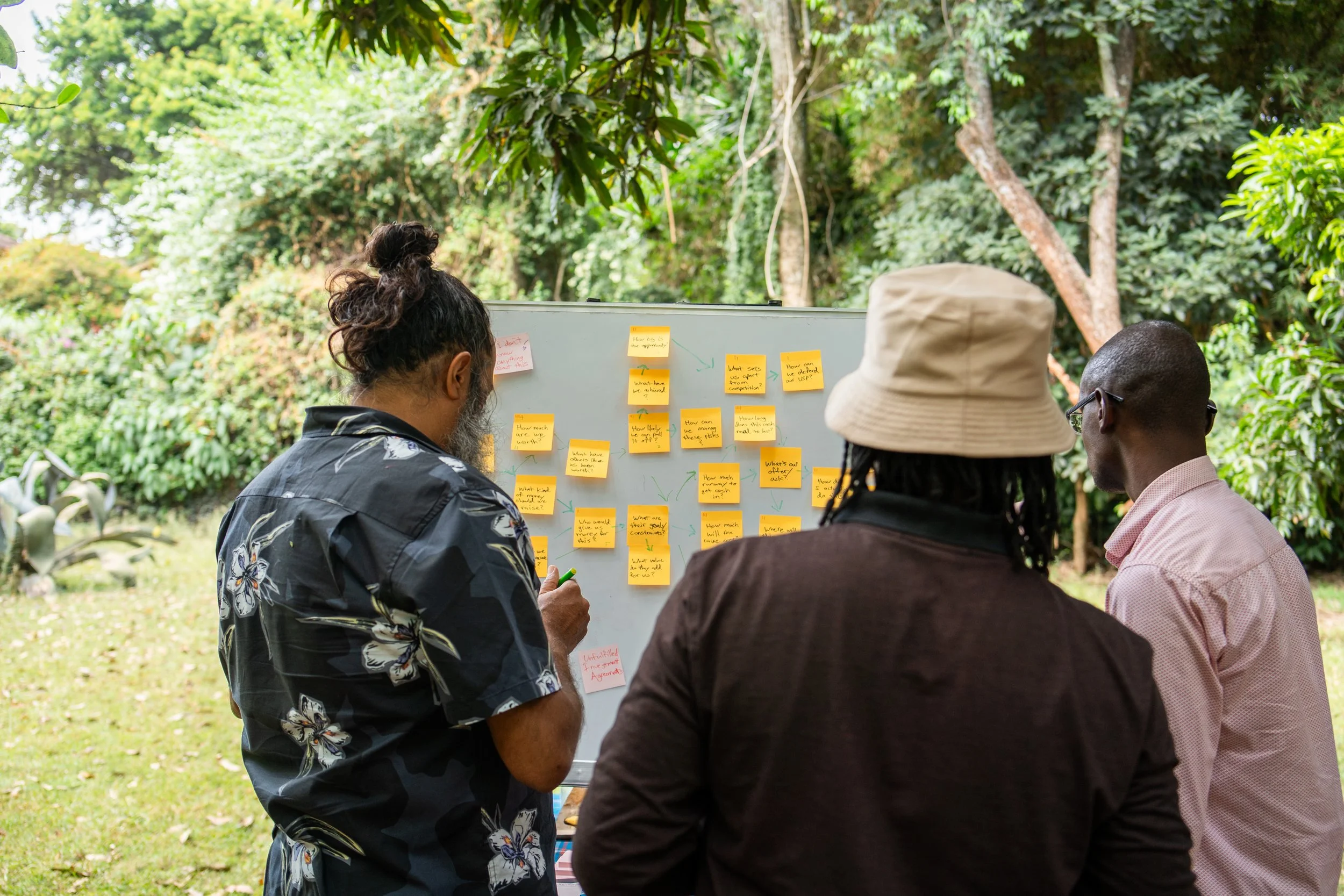
What if start-ups and funders could find each other more easily? This pilot will develop an AI-driven platform to bridge the gap.
The platform will serve as a matchmaking tool for start-ups and investors, offering:
Tailored recommendations: AI-powered insights to match start-ups with funding opportunities that fit their needs.
Streamlined processes: Simplified applications to reduce the burden on entrepreneurs.
Investor risk tools: Advanced analytics to help funders assess and mitigate risk.
Feedback loops: Collecting and sharing insights from rejected applications to improve future submissions.
Community support: Peer-to-peer learning spaces for start-ups to connect and share advice.
This platform aims to make the funding process more efficient and accessible for both start-ups and investors. By leveraging AI, it can scale more effectively than current manual or fragmented solutions.
The Kenyan start-up ecosystem plays a crucial role in creating jobs, driving innovation, attracting foreign investment, and reducing poverty. By improving access to funding, this project has the potential to unlock growth for thousands of businesses, fueling sustainable economic development across the country.
Our learnings and stories so far
This pilot hasn’t started to publish yet, but there are plenty of other blogs to read below. Check back soon!

Around the world, people are looking forward to different celebrations to mark the end of the year. We’ve been counting down the days in December with a list of films to settle down to watch, to remind your brain what’s possible when imagination, innovation and frontier technologies collide.
Despite growing confidence in AI, there’s more appetite than ever to experiment with and learn about it in safe, low-risk ways. Here are three ways we've been intentionally creating space to play with AI.
Can banana-fibre paper reduce nematode-related losses in white yam production in northern Ghana? Our two discovery reports outline the promises of a novel nature-based solution and the practical steps towards real-world adoption.
What happens when climate-driven forest fires outpace the capacity of existing fire detection and response mechanisms? Our pilot in Pakistan looked at how AI can enable early-warning systems for forest fires. Read the findings here.
Tackling the illegal wildlife trade is made harder by the limited tools to accurately identify species and determine their origin. Our MinION pilot in Colombia looked at portable DNA sequencing for better wildlife protection.
Gaps in WASH asset data mean that broken water points often go undetected, disproportionately affecting remote and marginalised communities. This pilot looked at how AI-assisted validation could strengthen oversight and ensure WASH infrastructure issues are addressed before they escalate.
Rapid digitisation of local health systems risks leaving behind those most in need of services. This report examines how practical digital features can improve visibility of vulnerable patients and support more equitable outreach.
Each month we take one global critical challenge and explore what’s happening on the frontier of innovation. This month we're On the Frontier of Biodiversity Data.
Driven by the rise of AI tools and the explosion of the global datasphere, governments are facing a rapid shift in how data is created and used. This blog examines the new skills and organisational changes needed for governments to use AI for data analysis responsibly and effectively.
The tiny tweaks, big-time losses and moments that lead to better solutions for those who need them most.
Four years ago, we wrote about failure as something to minimise. Today, we celebrate it as our most valuable asset.
We are now accepting grant applications from innovators who are developing tech solutions to unlock adaptation finance and strengthen MSME resilience in Viet Nam and the Philippines. Click here for more.
Can carbon markets really fund land restoration in the Sahel, or are we chasing unicorns? Our Drylands pilot uncovered the hurdles, opportunities, and tech innovations shaping this critical question.
Explore related pilots
Curious about how frontier technologies are impacting sustainable economic development? Read about our other pilots in this sector 👇🏽
Can an AI-powered platform connect Kenyan start-ups with the right funders to help them secure early-stage investment?
Can conventional plastic production facilities be retrofitted to produce bioplastics?
Can digital remittance technology support informal businesses in Southern Africa?
Can geological data technologies enable donors to track their financial and peace returns in conflict-ridden areas?
Can localised manufacturing technologies minimise supply-chain constraints faced by remote islands in the Pacific?
Can blockchain technology improve the land records system and service delivery, while unlocking greater investments?
Can an output verification platform for Development Impact Bonds increase the efficiency and effectiveness of data collection and impact evaluation?
Can a portable benefits platform that provides protections to ‘gig workers’ in Kenya’s economy protect these workers from economic setbacks?
Can an ecommerce platform serve rural areas of Nigeria and enable farmers to source agricultural inputs to significantly improve their productivity?
Can a sustainable wireless mesh network be installed for a market in Maputo, Mozambique that can benefit female traders?
The Frontier Tech Hub works with UK Foreign, Commonwealth and Development Office (FCDO) staff and global partners to understand the potential for innovative tech in the development context, and then test and scale their ideas.

APPLICATIONS OPEN: We’re looking for a strategic advisor that can help the FOUND pilot, supported by the Frontier Tech Hub, move away from early-stage thinking towards questions of impact, adoption, sustainability and influence.