

THE QUESTION
Can localised manufacturing technologies minimise supply-chain constraints faced by remote islands in the Pacific?

LOCATION: Solomon Islands
SECTOR: Sustainable Economic Development
TECH: 3D Printing
TIMELINE: September 2022 - March 2025
PIONEER: Tom Coward
PARTNER: BJS Agencies, Tropical Group Builders, AdKonec
The Challenge
Businesses in the Solomon Islands face high costs, long delays and limited choice because many manufactured products must be imported from overseas. In the building and joinery sector, items such as doors, windows, cabinetry, furniture and specialist fittings are often sourced from larger markets such as Australia or China, adding cost, time and uncertainty to local projects. At the same time, local manufacturers often rely on manual production methods, limiting their ability to produce high-quality, customised products at scale. This reduces competitiveness, slows project delivery and means that valuable local materials, including tropical hardwoods, are often exported with limited local value-add.
The Idea
This pilot tested whether advanced, localised manufacturing technology could strengthen production capacity in the Solomon Islands and reduce dependence on imported finished goods. Following an initial scoping phase that considered several distributed manufacturing options, the pilot focused on introducing CNC milling technology to Tropic Group Builders in Honiara. The CNC machine enables precise, repeatable production of bespoke joinery products using local hardwoods and plywood, including cabinets, doors, furniture and decorative features. The pilot tested whether the equipment could be imported, installed, operated and maintained locally; whether staff could develop the necessary design and production skills through a blended remote and in-person training model; and whether CNC production could improve quality, reduce waste, shorten lead times and create new commercial opportunities.
What the Pilot Found
The pilot demonstrated that CNC manufacturing can be successfully introduced in a small island context, although freight, customs and setup requirements need to be planned realistically. Local staff were able to move from no CNC experience to basic independent operation using online learning, remote expert support and targeted in-person training. Early production runs showed clear efficiency and quality benefits, including faster fabrication, reduced material waste, improved precision and the ability to produce high-value bespoke products locally. Market interest was also confirmed through stakeholder engagement and early customer demand, suggesting that CNC technology can give local manufacturers a competitive advantage while supporting import substitution, local value-add and more resilient Pacific supply chains.
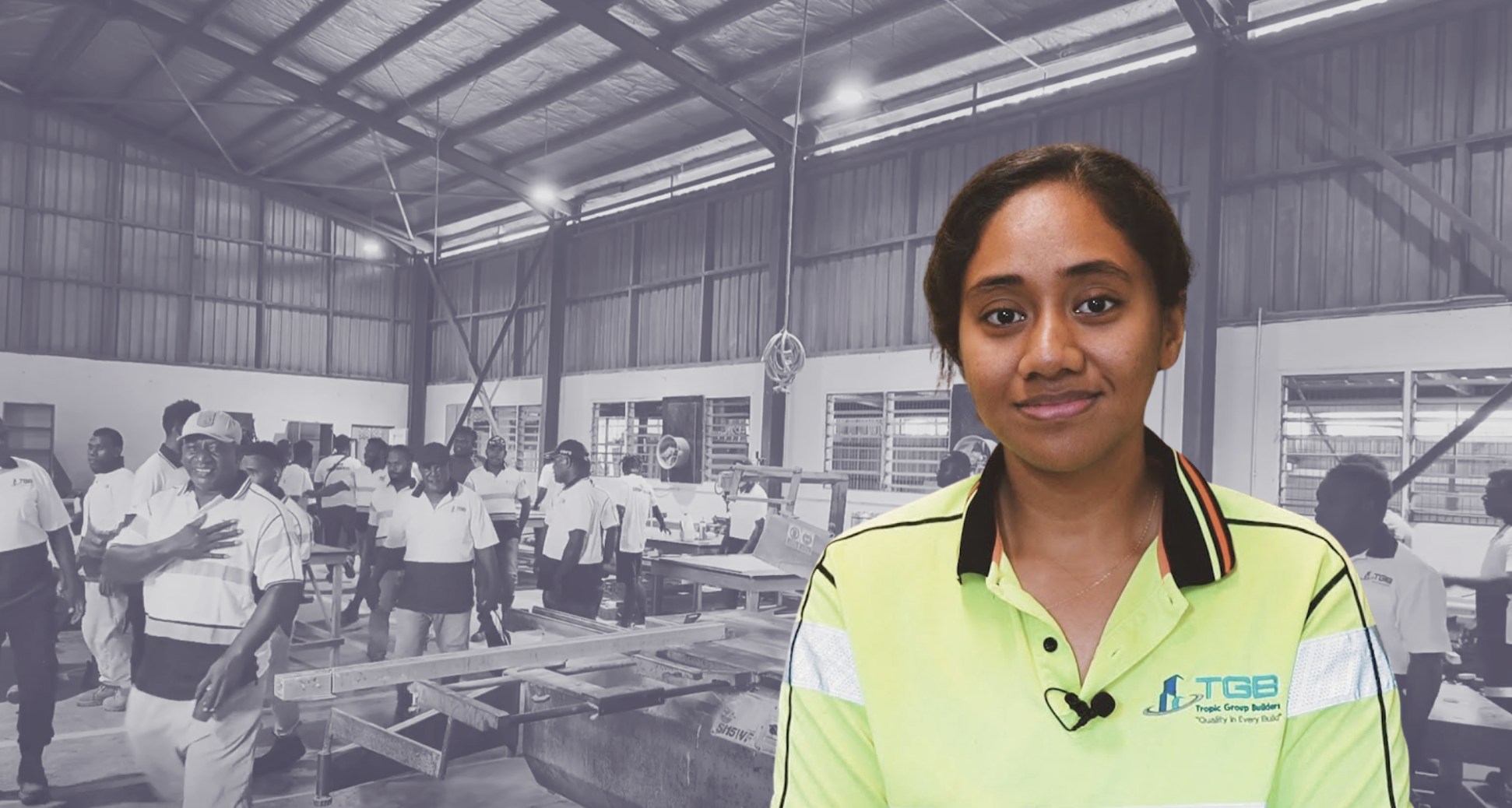



12 September is the International Day for South-South Cooperation. This year's theme, Solidarity Rising, rests on the observation that proven solutions already exist across the Global South, but too often they stay fragmented and hard to reach.