A blog by Lil Patuck, Evidence and Storytelling Lead, about our latest climate adaptation portfolio learnings.
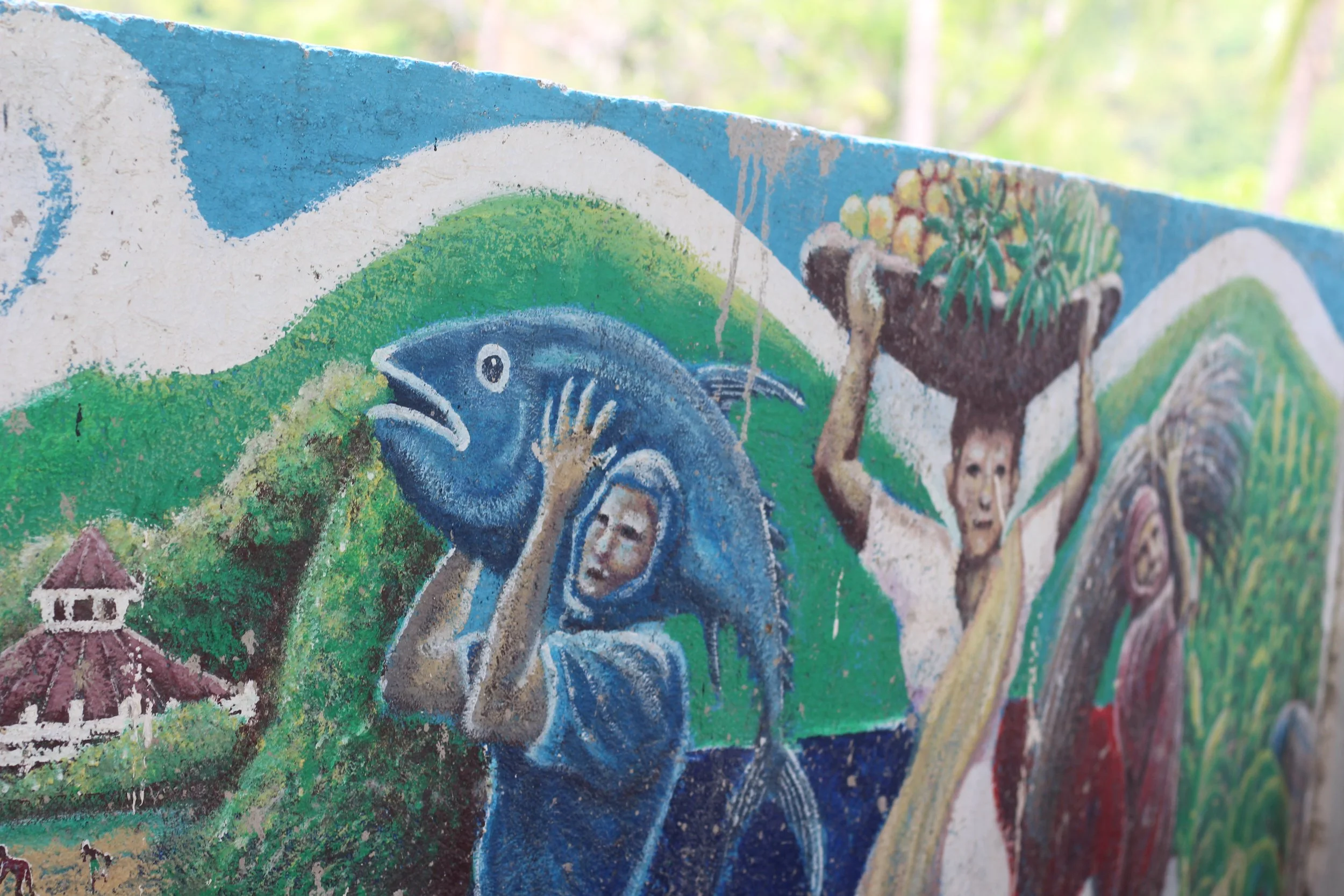
Fishers and farmers in Southeast Asia's food systems, on land and coast, are among the most climate-exposed people on earth. A single typhoon, flood, or drought can wipe out a season's income overnight, and many have neither the buffer to absorb the loss nor the means to adopt adaptive, resilience-building practices. Since 2000, disasters have affected 3.7 billion people in Asia, against 1.1 billion across the rest of the world combined.
In the Batangas region of the Philippines, Elluterio Quezon described a working life for fisherfolk where the sea simply doesn't deliver a steady income anymore: "Sometimes, three days a week. Sometimes, zero. That's just how it is."
Rising fuel prices alone eat into whatever margin is left, and the outcome is that a fisher who knows a storm is coming will likely go out to fish regardless. Unstable rural income has become a key driver of climate risk exposure. A few days’ savings won't cover a two-week disruption to income.
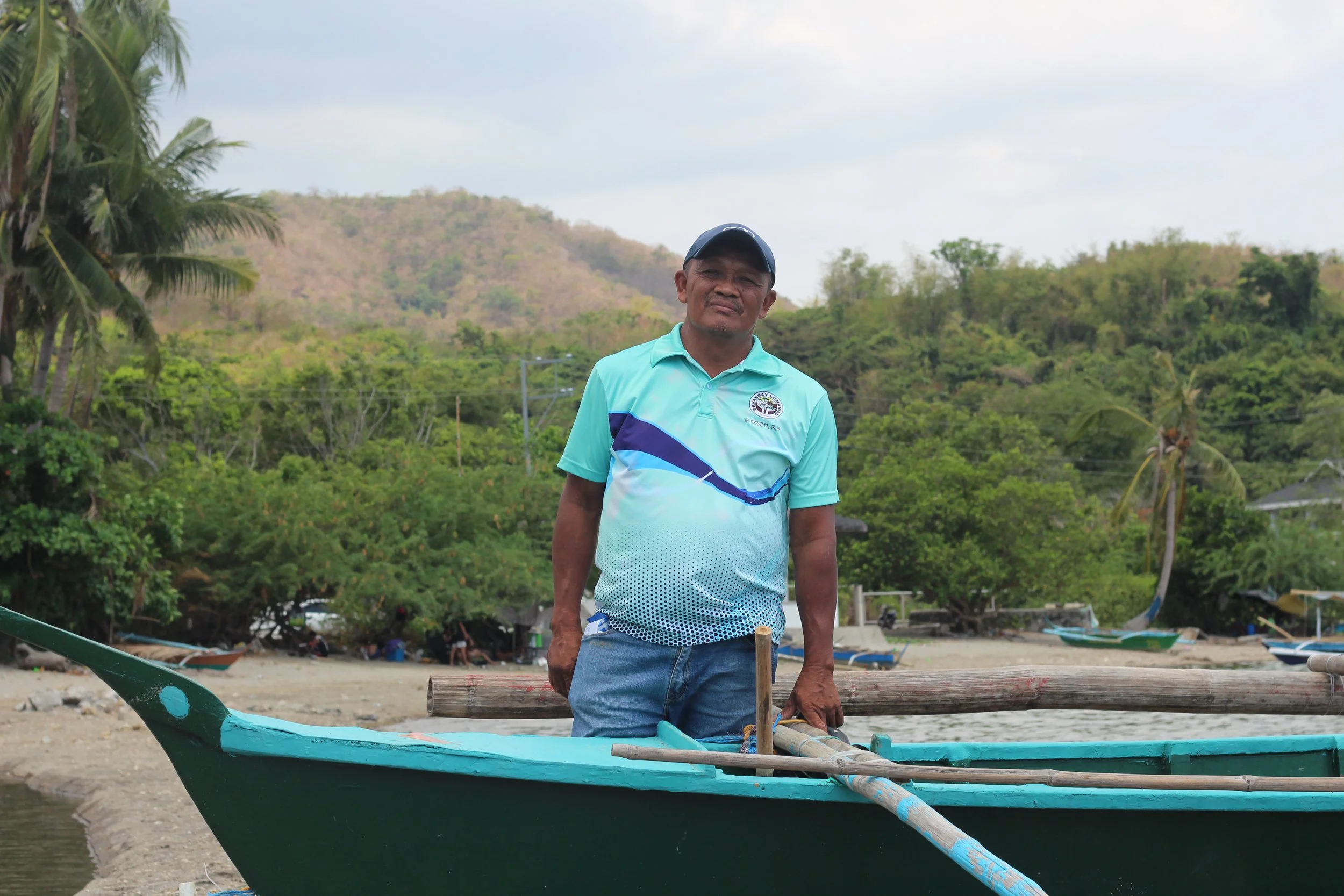
Elluterio Quezon in Lian, Batangas
“When a solution is working well, it becomes hidden — everyone takes it for granted. Climate resilience should just be a way of doing business.”
Only 5% of global climate finance goes towards adaptation. Developing countries will need around $3.3 trillion between now and 2035, but on current trends, only around $840 billion will flow. With domestic fiscal constraints and with aid budgets falling in the UK, the US and elsewhere, public money will not close that gap.
Meanwhile, food systems are becoming increasingly exposed. The FAO estimates that disasters caused $3.26 trillion in losses to crops, livestock, fisheries and aquaculture between 1991 and 2023, and more than 90% of those disasters were climate-related. Southeast Asia accounts for a disproportionate share of these losses.
But a survey of 165 Asian funders managing over $1 trillion in assets ranked agriculture and fisheries as their top adaptation sectors of interest, yet those sectors attract only 6% of documented adaptation finance. The central barrier named was the pipeline: most ventures are too early, too small or too unproven to attract private investment at scale.
Creating the pipeline
This was the starting point for the FIRST Fund's initial cohort. Between December 2025 and March 2026, we ran three pilot projects in the Philippines and Vietnam.
All three tested the same underlying idea from different angles: can frontier technology and financial innovation turn climate risk into something investable, with someone downstream (such as a buyer, exporter or government) willing to pay for it?
Each pilot tackled a different piece of the puzzle.
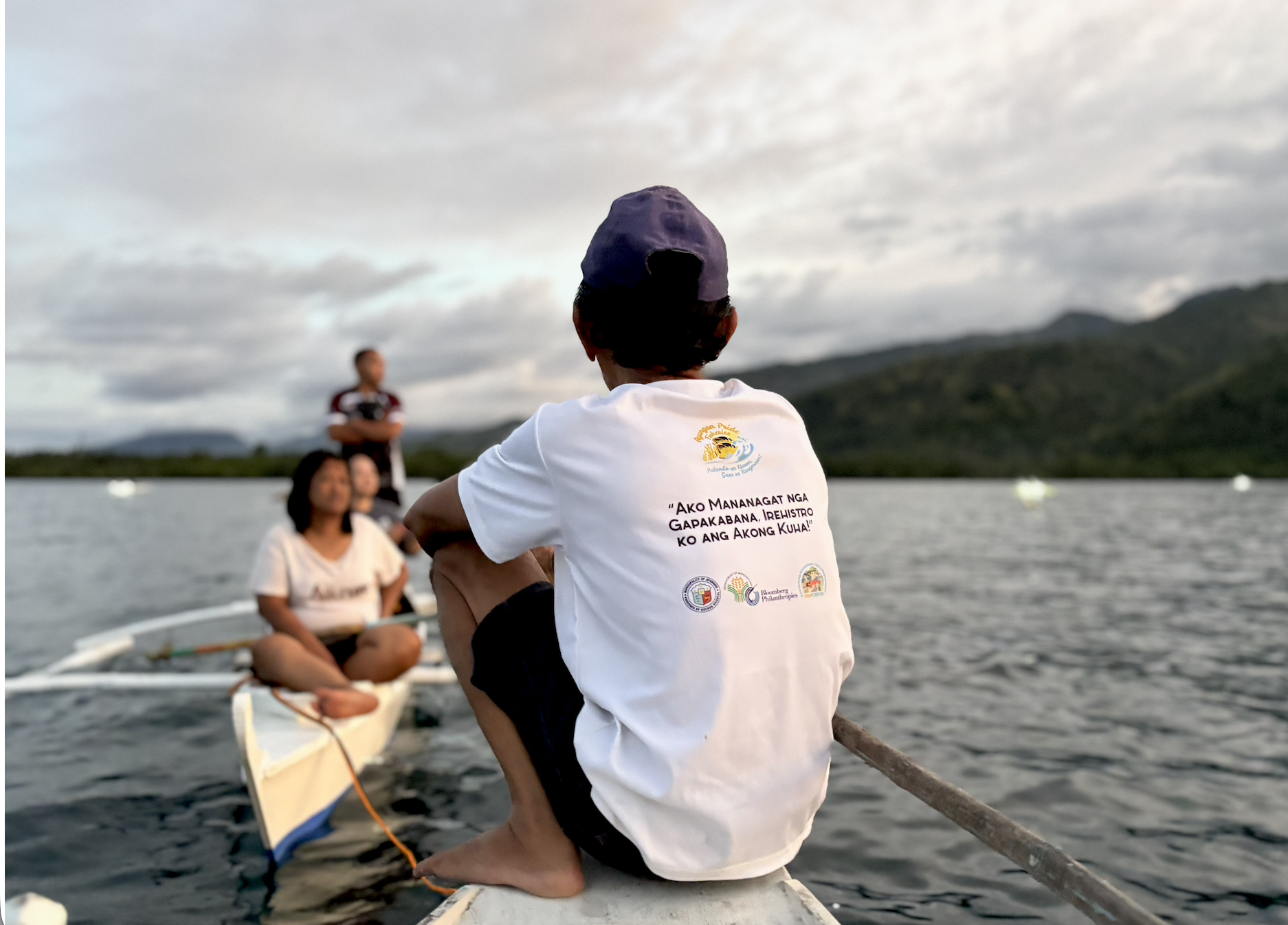
Mayani paired parametric insurance with an offtake agreement, so fishers had a predictable price for their catch alongside automatic cover when the weather made fishing impossible.
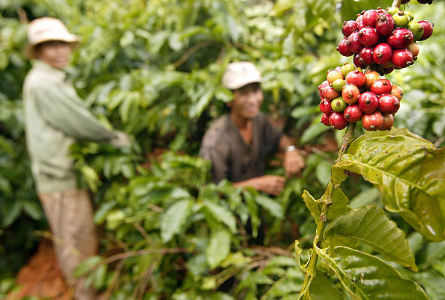
Hillridge built traceability into Vietnam's coffee supply chains, giving smallholders access to export buyers who pay a premium for verified, deforestation-compliant coffee, with insurance funded out of that transaction.
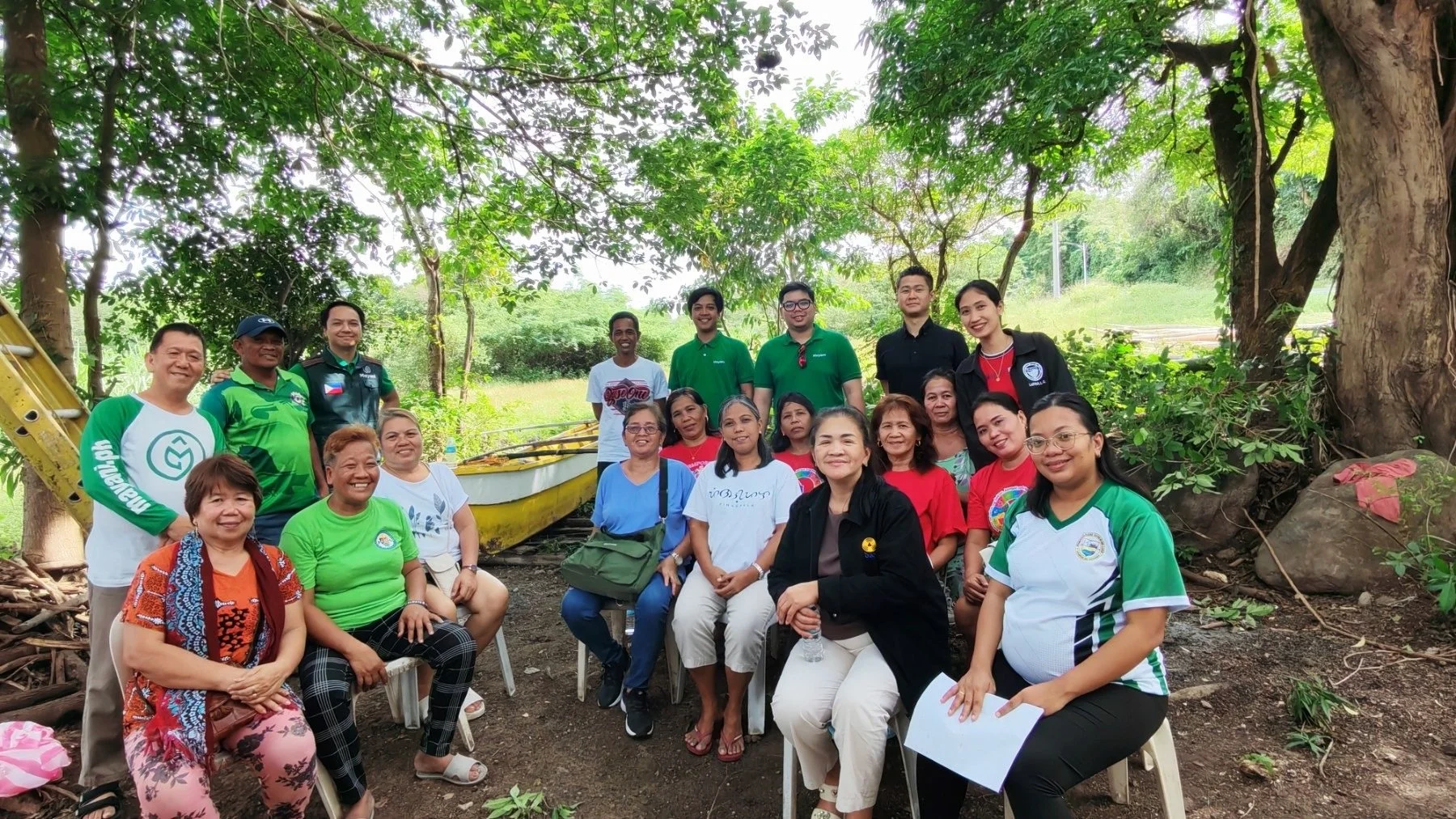
Rare worked on the last mile: getting payouts into the hands of fishers with no smartphone, no bank account, and no digital footprint, using the sari-sari stores and GCash agents already woven into everyday life: trusted and known.
Three learnings that held across all three pilots
Awareness isn’t the gap
Every pilot found the same thing from a different starting point. Hillridge's coffee farmers named extreme weather as their top concern, but only 8% had ever held crop insurance. Rare's fishers had access to a working payment network and still weren't getting paid. In no case was the missing piece better information about the risks, but the money to absorb the disruption when the risk landed.
Every pilot proved the mechanism and then hit the cost of running it.
This is probably the most useful (and least comfortable) finding for funders. Mayani pays fishers on collection and waits weeks for buyers to pay. Hillridge needs roughly $1.25m in revolving capital to fund a 1,000-tonne coffee pipeline. Rare has government funding for this year's premiums but no multi-year commitment. All three proved the tech and demand, but also hit the same wall: working capital to bridge the gap between paying producers and getting paid by buyers.
Insurance needs to exist within another product
None of the three ventures tried to sell parametric cover on its own, because it doesn't have a route to market as a standalone product. It only worked once it was attached to something that already gave people a reason to show up, like an offtake agreement, a premium export buyer or a government-backed programme. For Mayani, instead of selling insurance directly to fishers, the premium came out of the margin on fish they were already selling.
“I wouldn’t even surface parametric insurance as a concept in the encounter [with fisherfolk]. I’d call it supply chain resilience. Sometimes the best climate solutions don’t look like climate solutions.”
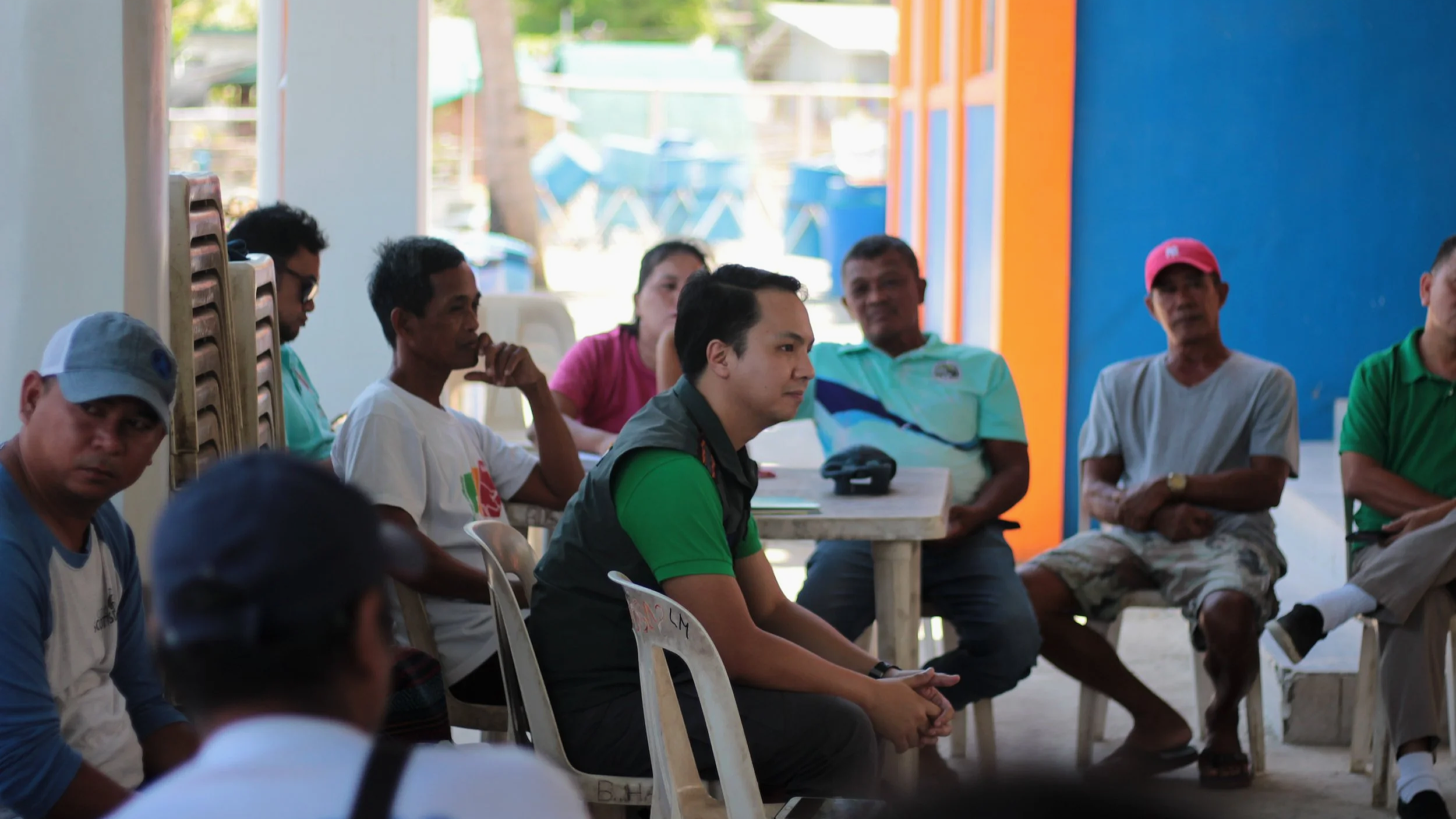
JT Solis meets with fisherfolk in Lian, Batangas
The full report lays out what we tested, what held up, and what remains unproven, including the open questions that will determine whether any of this scales.
If you’d like to dig in further…
📚 Read the full portfolio learnings report
🎬 Watch the film following two of these pilots in the Philippines
1️⃣ Discover more about the FIRST Fund