A blog by Mwanĩki Nyaga from the Evidence and Storytelling team on the role of South-to-South Cooperation in our work.

12th September is the International Day for South-South Cooperation. This year's theme, Solidarity Rising, rests on the observation that proven solutions already exist across the Global South, but too often they stay fragmented and hard to reach.
In the Philippines, there is a word: diskarte. Another, more general to Indo-Aryan speakers across Asia, is jugaad. Both name the flexibility and resourcefulness that gets you to a working answer when the formal route is limiting or simply absent.
"You've got to zig and zag in the way you navigate uncertainty to make it work."
— Gita Luz, Head of Global Partnerships
One of our key principles on the Hub is that we invest in people, not tech. It’s the former that embodies resourcefulness and that human ambition to explore the uncharted, whatever word you use to describe it.
What the Agĩkũyũ knew
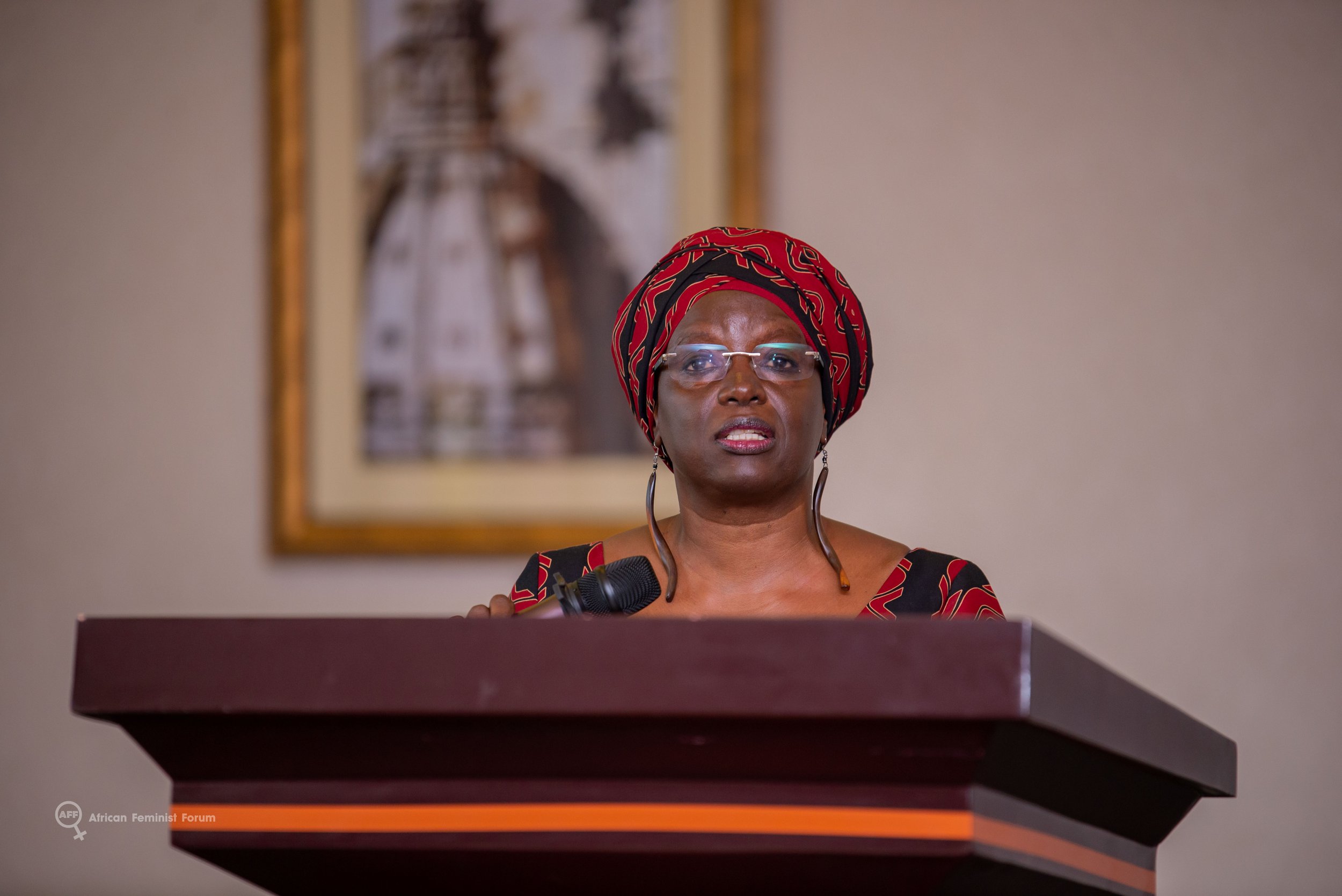
Sylvia Tamale, the Ugandan legal scholar and human rights activist, used her Devaki Jain lecture, A is for Africa, to argue that those who dominate knowledge production also set the standards for what counts as legitimate knowledge, and that those standards are drawn narrowly enough to disqualify most of the world's.
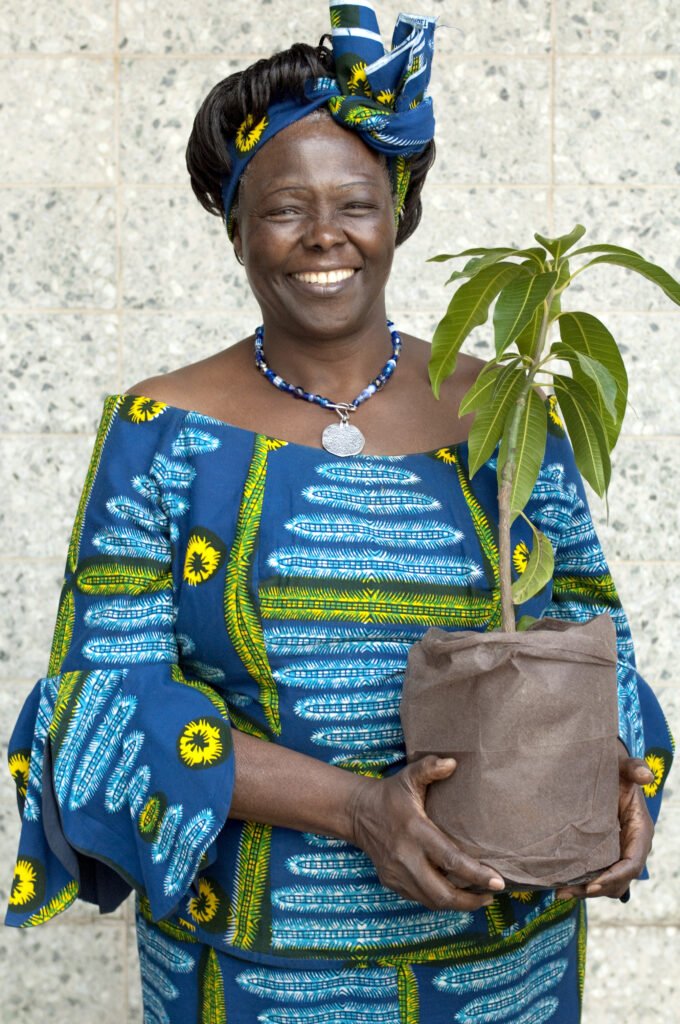
She illustrated it with a story shared by Professor Wangari Maathai (a social, environmental, and political activist and the first African woman to receive the Nobel Peace Prize) about her Gĩkũyũ childhood. Sent out to gather firewood, Maathai was forbidden to touch the mũgumo (strangler fig tree), which was held sacred and was never to be cut or burned. Years later, as an environmental scientist and founder of Kenya's Green Belt Movement, she understood that the tree was protected because its roots held the highland soils against erosion and chiseled rocks to make underground springs that provided water for the villagers.
The knowledge was present as story and taboo, which lived among the youngest of the Agĩkũyũ long before they could have explained it. When the colonial missionaries and administrators arrived in Kenya, Western science had no such account. They ordered most of these trees to be cut down for their representation of “pagan” gods. The people who understood the tree were not recognised as knowing anything.
Once a way of knowing is ruled inadmissible, those who hold it need someone else's validation before what they know counts, and therefore, cooperation between them gets routed through institutions built to withhold it.
This did not start with a funding gap
There is a tidy narrative going around, in which Western aid budgets shrink, and South-South collaboration rises to fill the space.
"It's not about the drop in Western aid making South-South collaboration happen more. It's already been happening. So much of it just tends to get mediated through Western connections and Western lenses."
— Gita Luz
What happened to the mũgumo happened again at scale, and this time it was made permanent. After 1945, the institutions that would govern development were built with the Global North holding the lion's share of the equity, which meant it set the standards that determined the policy and decided how capital moved. The boldest demands of the 1970s, for fairer terms of trade and restraint on transnational corporations, were addressed to precisely those institutions and were refused.
The Buenos Aires Plan of Action of 1978, from which the International Day for South-South Cooperation descends, was a more lasting attempt to get two countries to mutually agree to trade skills and expertise between them (without external permission needed). Almost half a century later, what is changing is the room this work takes up in the development conversation.
Nobody has to ‘catch up’
The Frontier Tech Hub exists thanks to funding from the UK International Development’s Global Research and Development Portfolio, but over our 10 years of testing tech, we’ve learnt that the expertise we most need is rarely ours to supply. The people who know whether something will work are the ones who will live with it; maintaining, regulating and continuing to fund it.
"Our push isn't for societies to become high-tech. Our push is for technology to fit societies where they are. The solutions are usually already there, and our job is to help people through a process."
— Gita Luz
Three examples of what that looks like:
Nine regulators writing their own rulebook.
Drones can carry medicine to clinics that roads can't reach, but across much of Africa the rules for flying them either didn't exist yet or were so strict and so expensive to comply with that operators ended up flying unregistered, which increases risk.
So in 2023, nine African civil aviation authorities and ministries formed the Wakanda Beyond Peer Action Group, working with the Drones Doing Good Alliance, Smart Africa's Digital Academy and the Hub. Each authority picked a live problem in its own country and ran a real experiment on it, then brought what happened back to the group every fortnight, and eventually in person in Kigali.
A year on they had a shared toolkit built entirely from things that were actually tried, and they also organised a second phase around six challenges the members chose for themselves.
Nepalese experts who advised “No”.
A pilot in the Solomon Islands set out to test plastic recycling through 3D printing. The Hub brought in 3D printing experts from Nepal, whose own work in low-resource settings gave them the standing to judge. They found robust evidence that the context was not yet suited to 3D printing, advising the pilot to pivot to CNC precision woodwork and joinery. That decision cut production times by a quarter and realised a five percentage point drop on waste. Signs that the local woodwork sector was stimulated were also observed.

A tool that travelled between shared constraints.
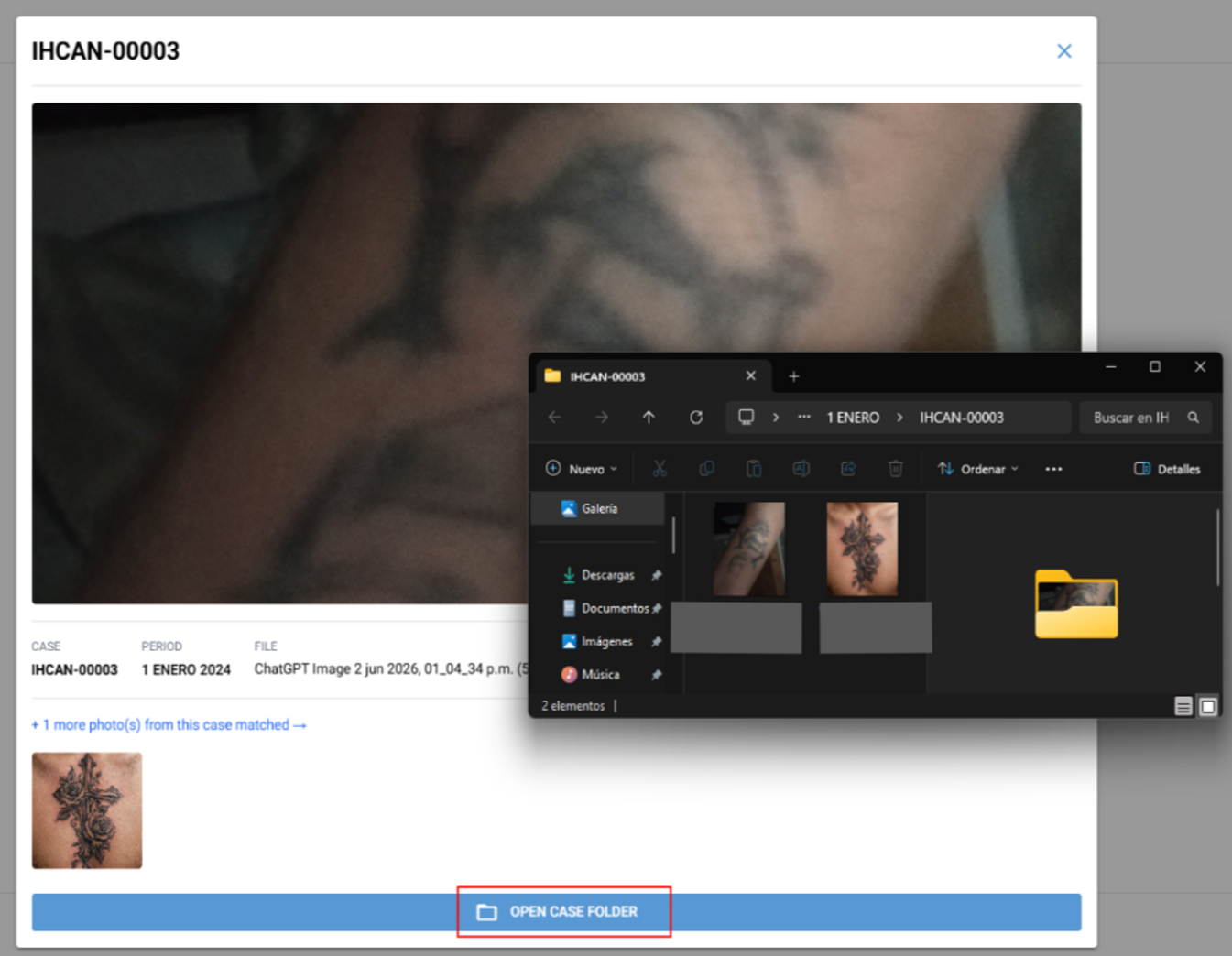
identIA, built with LAB-CO and grown from an earlier Hub experiment called FOUND, supports the identification of the disappeared. It now runs inside forensic institutions in Jalisco, Quintana Roo and Zacatecas in Mexico, and in Guatemala, where the same crisis meets the same stretched forensic capacity.
When earthquakes struck Venezuela, a programmer in Buenos Aires built a reporting site for searching families in three hours, running on facial recognition software donated by LAB-CO, and it received more than thirty thousand reports in two days.

A more useful job
Places that share constraints tend to share solutions that actually work in them. A regulator in Accra learns more from Nairobi, because their airspaces share many commonalities. An engineer in Kathmandu may have a better idea of what will survive in Honiara, because she has watched something similar fail at home. A forensic team in Guatemala reaches for a tool built in Mexico, where the crisis of the forcibly disappeared wears a similar shape.
What follows is a smaller, more useful job than we once imagined for ourselves. People rooted in a context usually know what needs solving, and often have a fair idea of how to do it. What they tend to lack is an enabling environment that gives room to test, a way to reach peers working on the same thing, or enough support to carry an idea from imagination into lived reality.
More solutions moving sideways between people who recognise each other's problems on sight may be what's worth funding, and it’s what the next decade of this work looks like to us.