
FIRST Fund
Fishers and farmers across Southeast Asia are facing mounting climate shocks, but this urgency and interest is not turning into capital on the ground.
Watch the film
We’ve just completed our first cohort of pilots. This 9-minute film follows two of them as they work to protect fishing communities' livelihoods across the Philippines. Discover how resilience finance works best when it's woven into the systems people already rely on, not bolted on from outside.
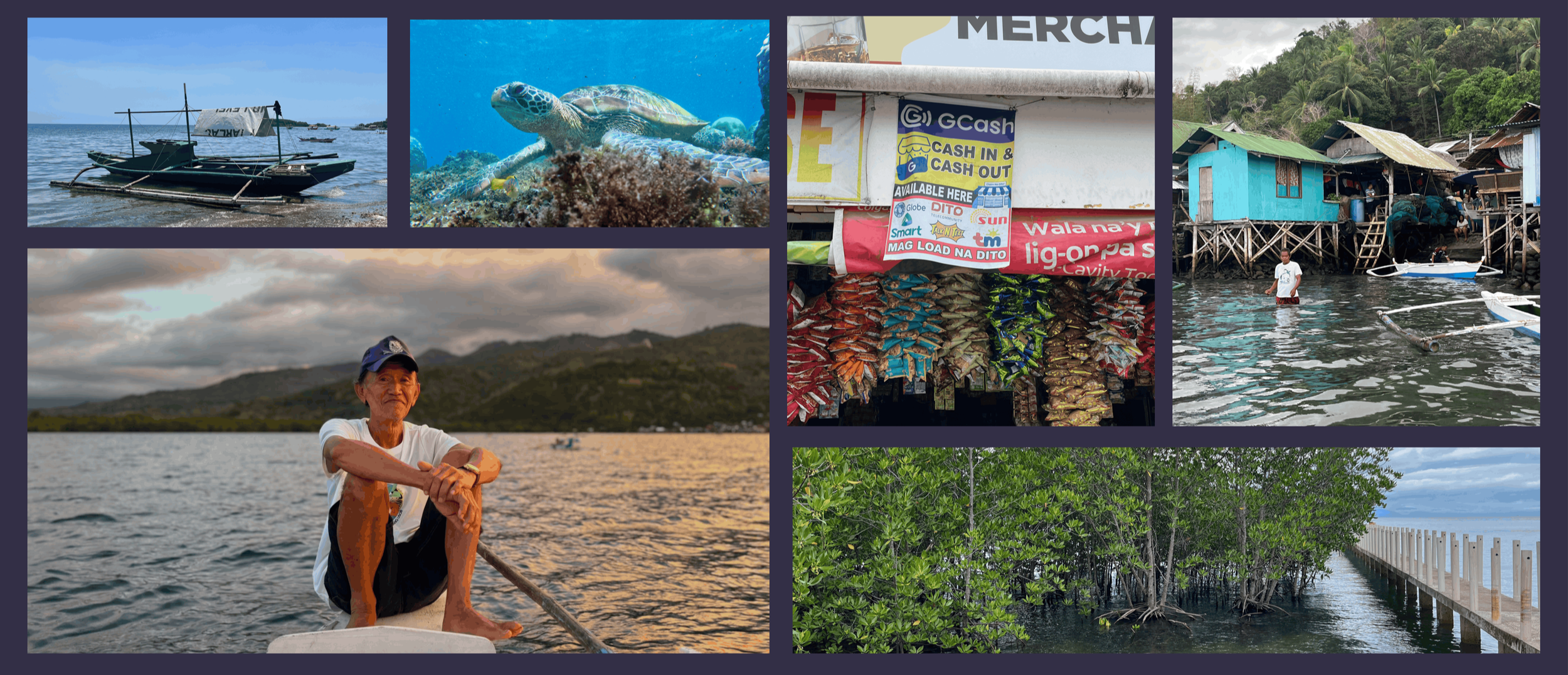
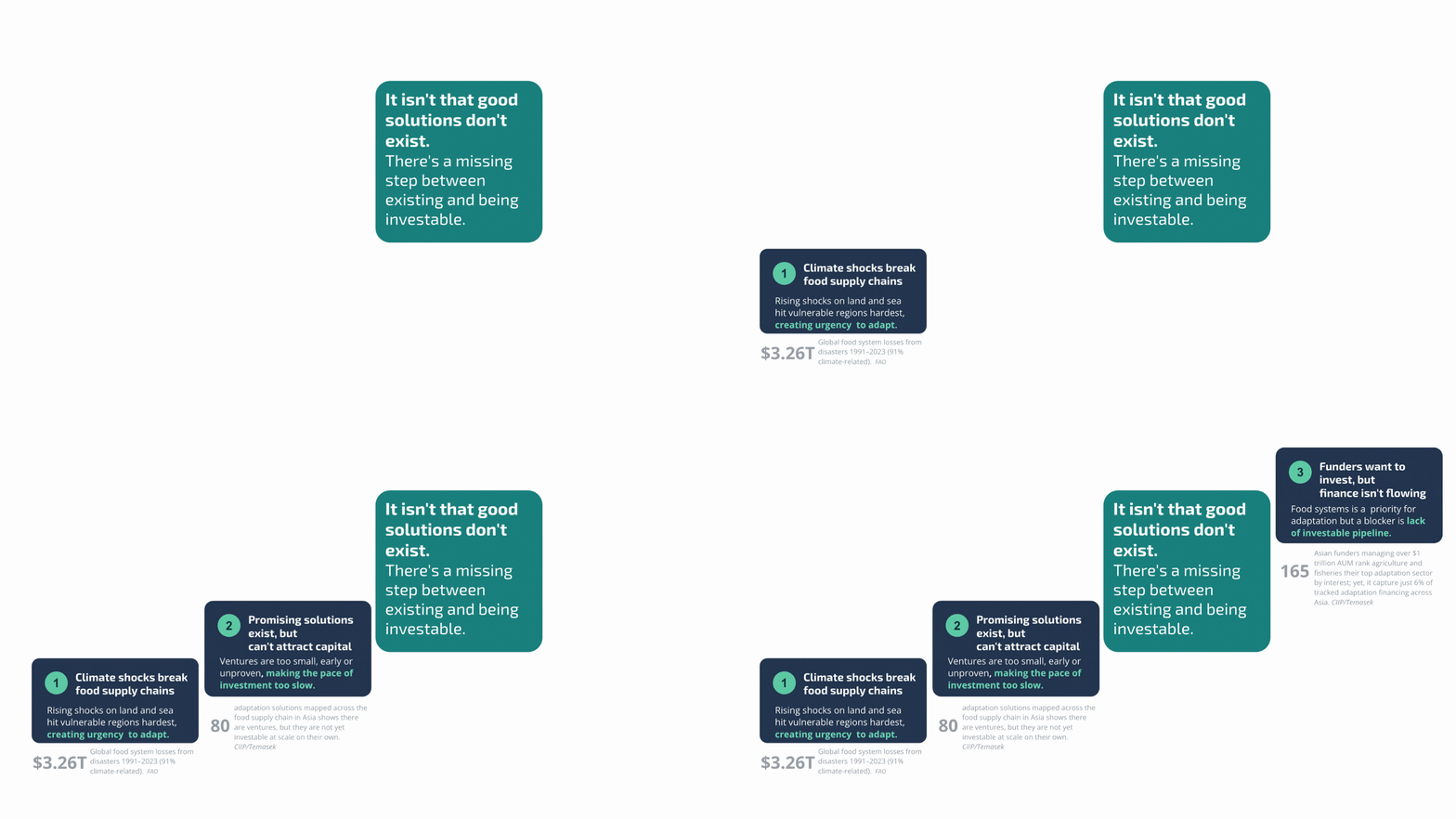
Between 1991 and 2023, disasters caused an estimated $3.26 trillion in losses to crops, livestock, fisheries, and aquaculture. Over 90% of these losses were climate-related.
– FAO (2025)
Climate shocks travel across food supply chains, yet the adaptation finance stays fragmented into isolated pilots and one-off deals.
Ideas and capital are there, but progress and learnings are siloed, and innovations are perceived as nascent and high risk. Why?
What is the FIRST Fund?
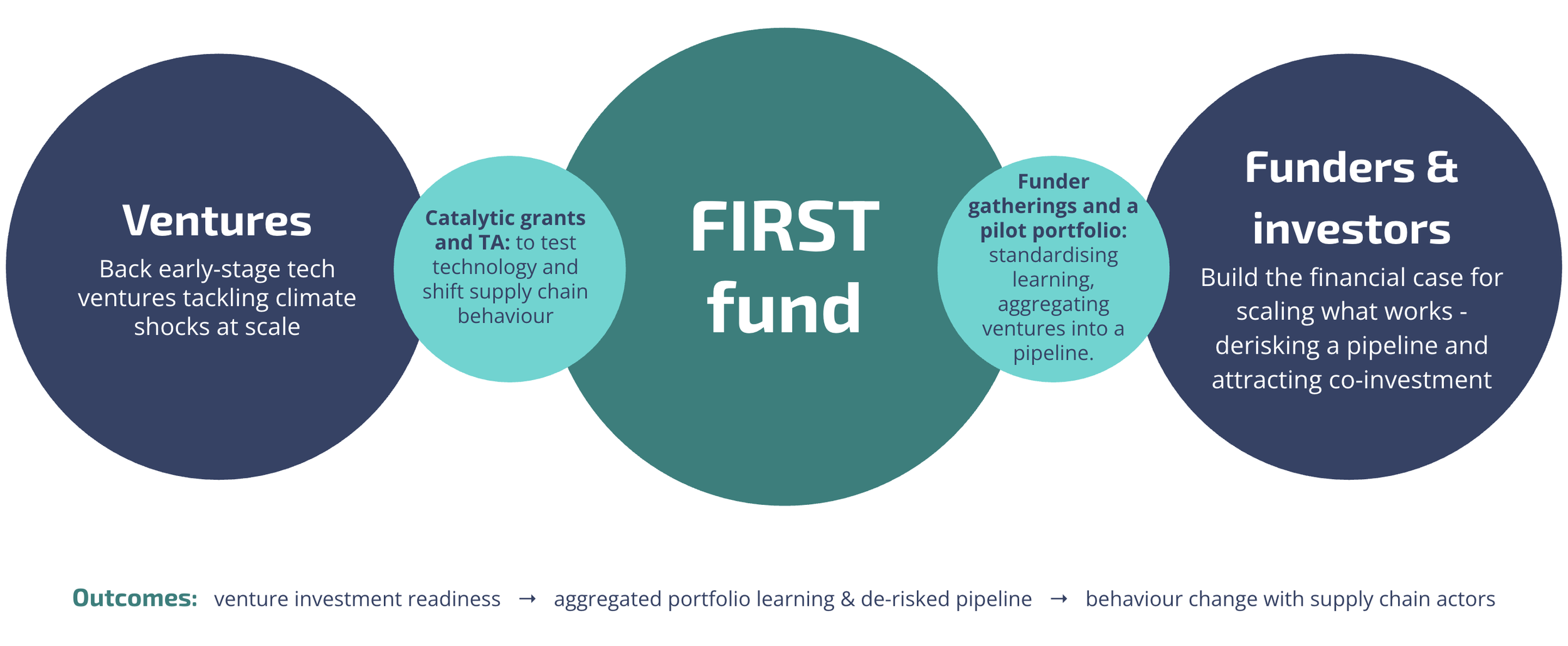
The FIRST Fund (Facility for Investment Readiness and Scalable Technology) is our attempt to contribute to this adaptation finance challenge for Southeast Asia's food systems. We give entrepreneurs flexible funding and hands-on support to test real-world unknowns, while convening funders into the learning early so evidence can move towards funding and investment.
How it works
The FIRST Fund sits as a first step between early-stage tech ventures and the capital that scales them
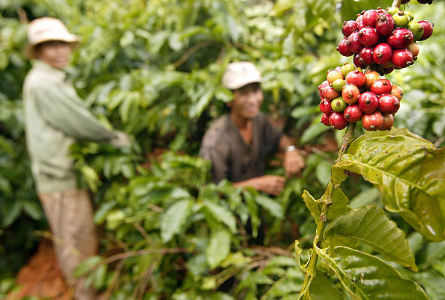
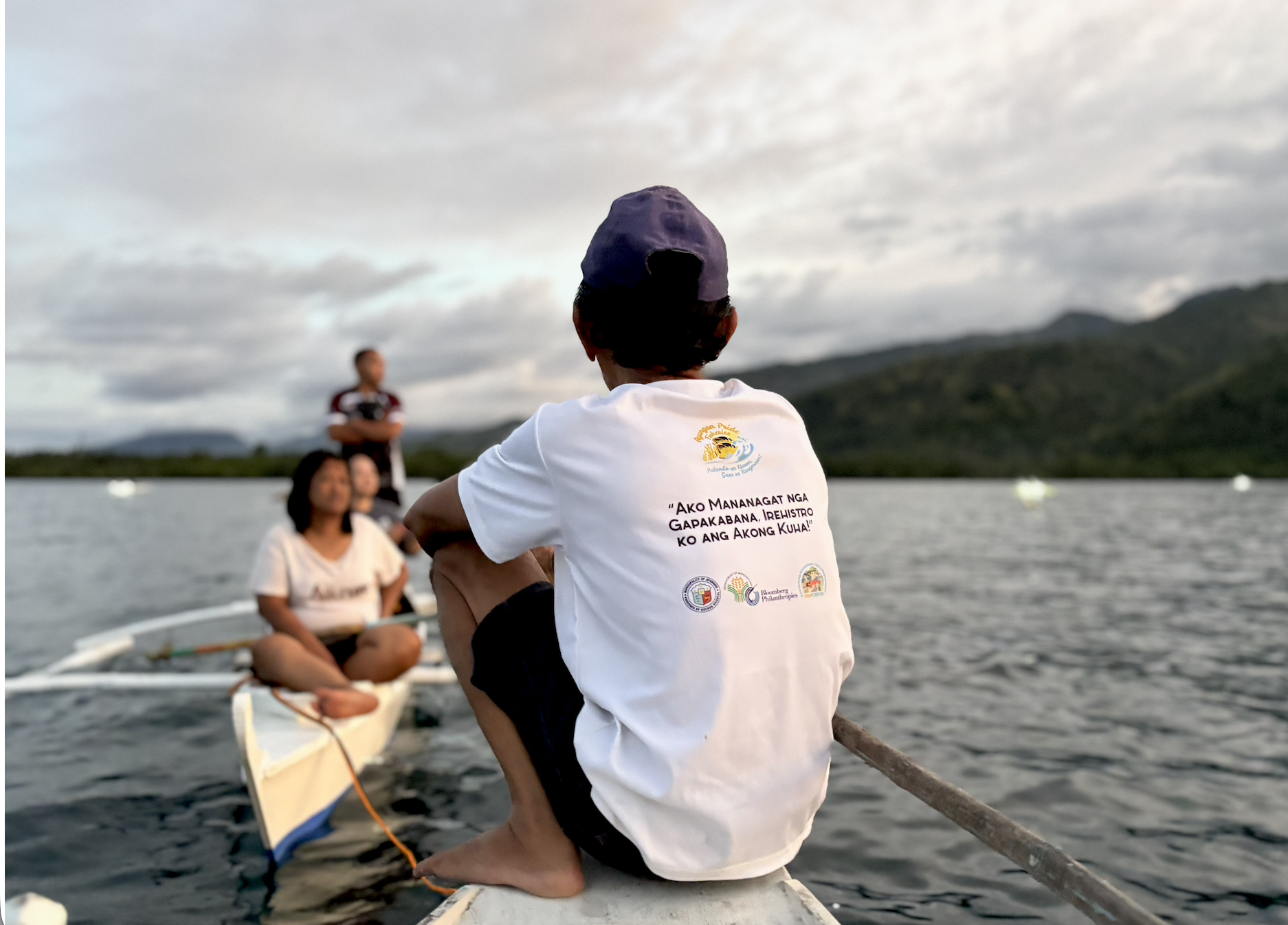
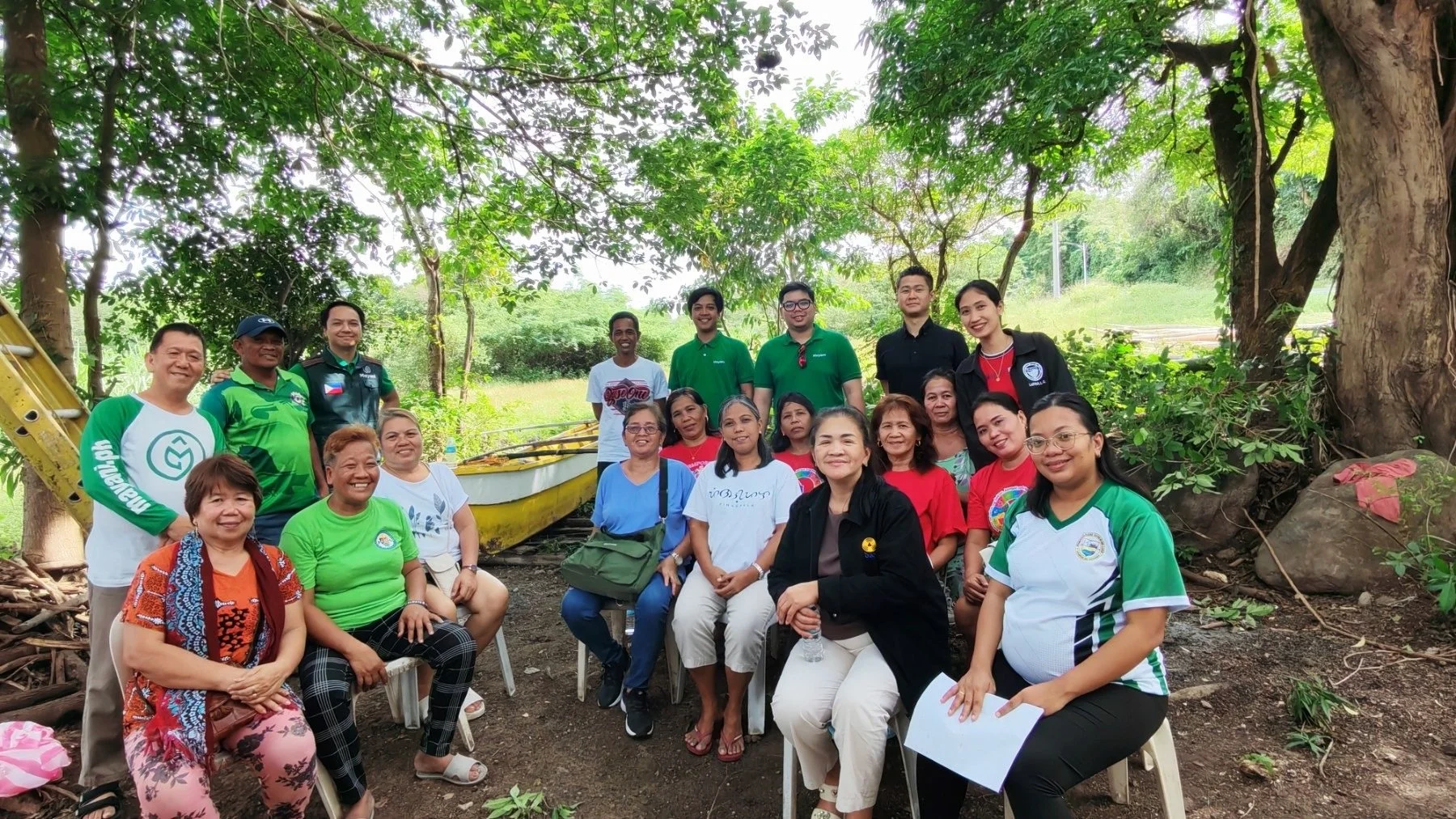
We started with the breakpoints that make food supply chains vulnerable, testing three parametric insurance pilots with farmers and fishers in Vietnam and the Philippines.
Next, we’re widening the lens across five links in the chain, i.e., production, storage, processing, distribution, and retail and export.
Interested in exclusive invites to Funders Circles or deep dives into our key learnings and insights?
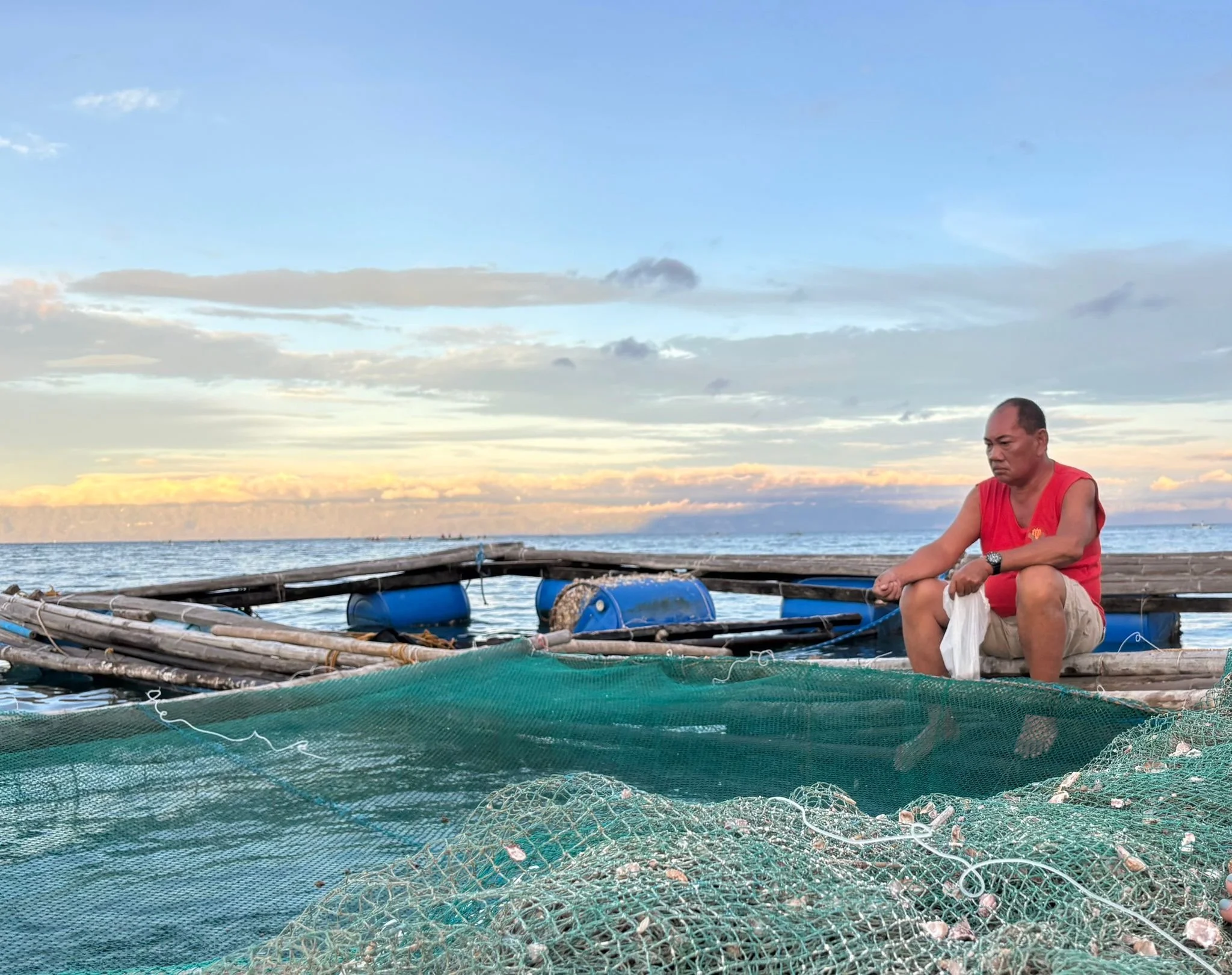
“When the waves are too strong, the fishers in our municipality can’t catch fish and they have nothing to feed their families. I’m thankful for the parametric insurance. It’s a big help for the fishers, especially the ones who have never received insurance before. At least now some of them have.”
Soray Nodokot, Government Worker, Municipality of Ayungon
What does a path to stabilising Southeast Asia’s food system from climate risks involve?
-
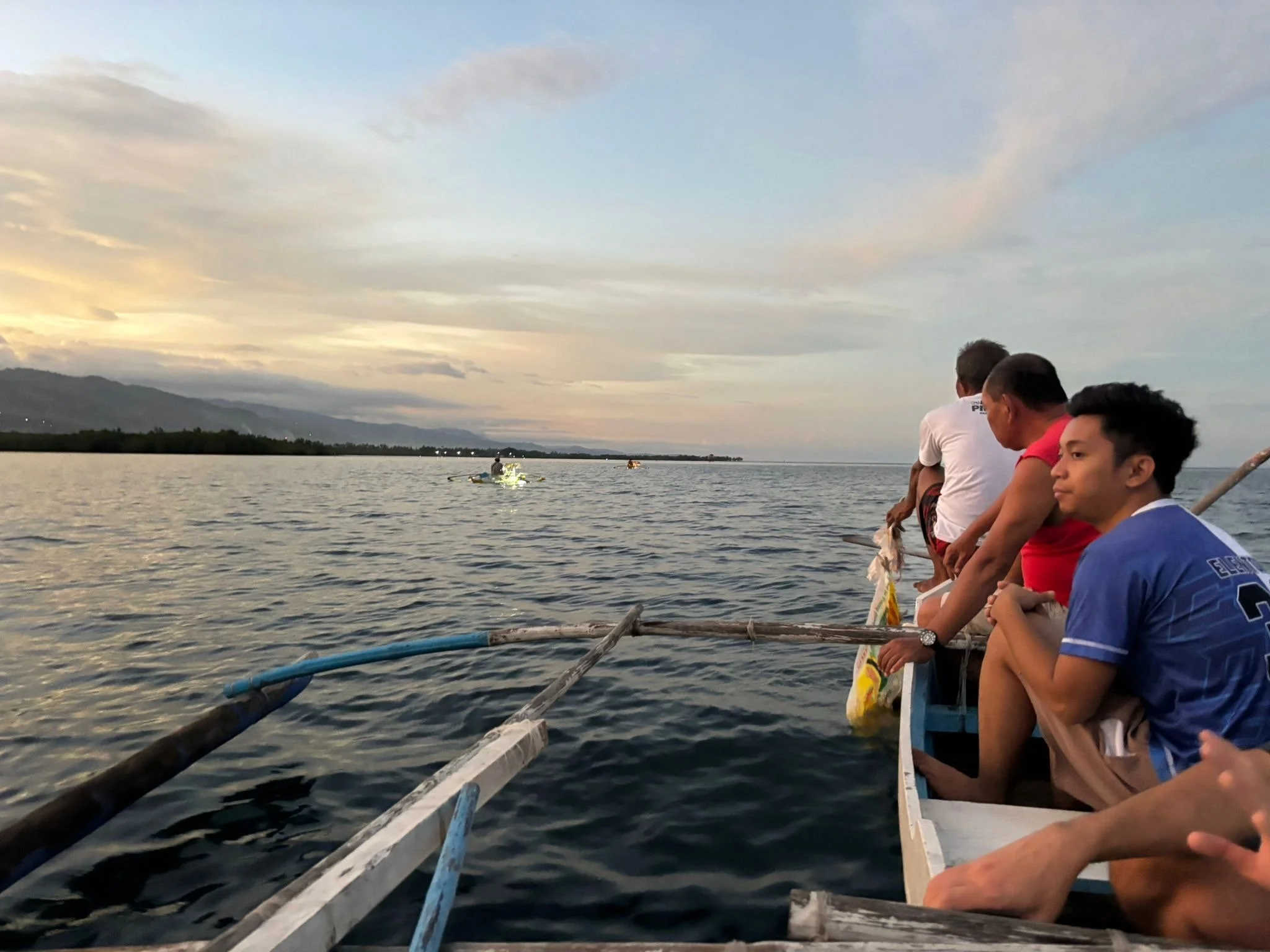
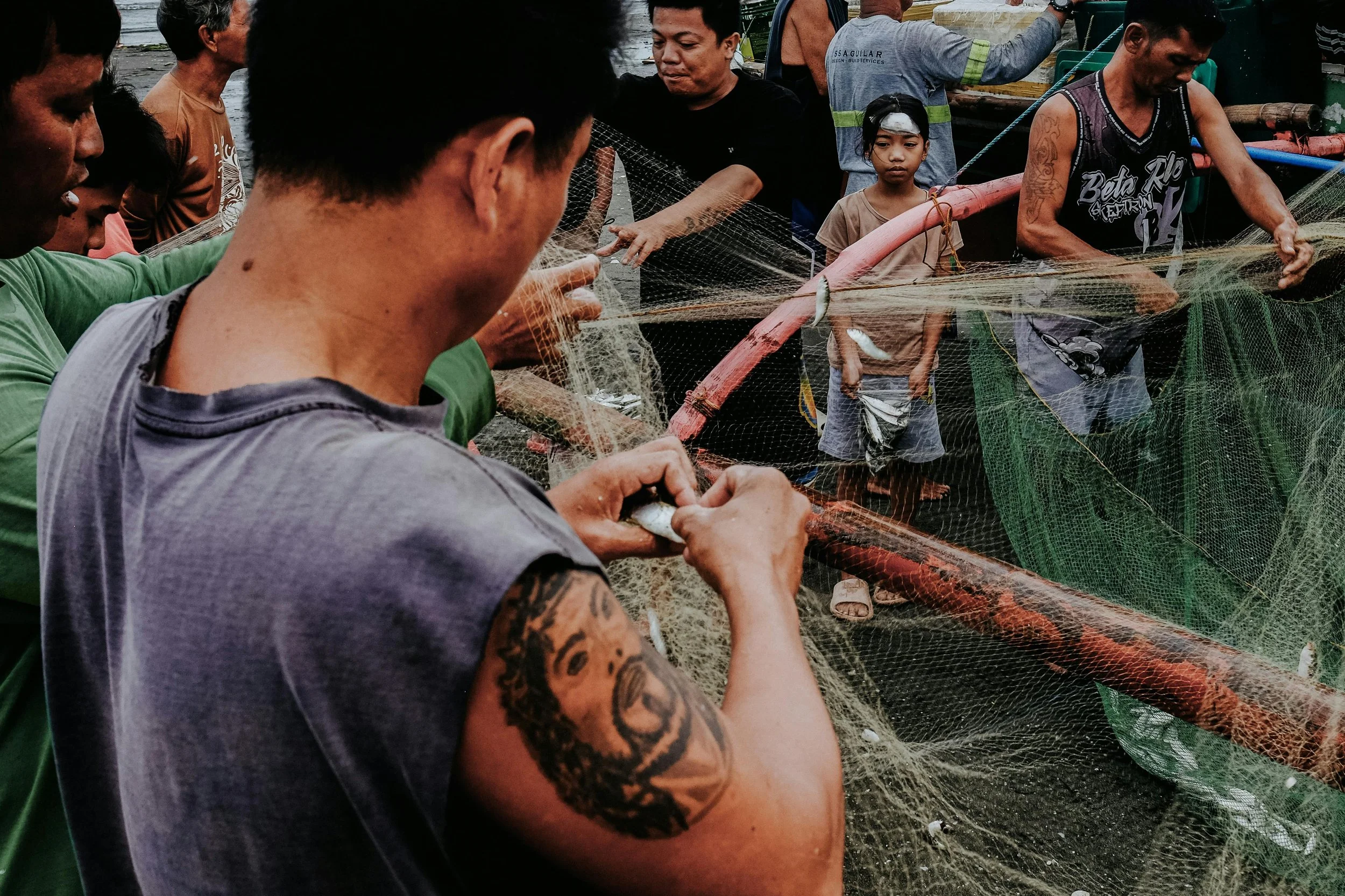
Fisherfolk working with Mayani know when conditions are dangerous and go out anyway, because the alternative is no income that week. Among Hillridge's coffee farmers, 78% named extreme weather among their top concerns, and only 8% had ever held insurance. Better data does not change behaviour. Reliable income does.
-
None of the three ventures found a route to selling cover as a standalone product. It became viable only when attached to something that raised or stabilised income, such as a government programme funding the premiums, access to a market paying more for traceable produce or an offtake agreement with a buyer.
-
In every pilot the payer sat further along the chain, whether a domestic buyer, an export buyer or a government. That makes the viability of adaptation finance at the point of production dependent on conditions somewhere else in the supply chain.
-
Rare's payouts worked where local government officers and BFAR field staff were present to assist, reaching 58 of 64 fishers in a live payout. Mayani's community engaged because the municipal government and BFAR were in the room. Hillridge's aggregators turned out to be the channel for onboarding and explaining the product, not just for logistics. None of the three could have reached users directly.
-
All three proved their mechanism but to reach scale significant working capital is needed. Mayani pays fisherfolk weeks before its buyers pay it. Hillridge estimates a US$1.25m revolving requirement to fund a 1,000 tonne pipeline. Rare's equivalent is multi-year premium financing, without which the payout model cannot run.

If you’d like to dig in further…

We are the Frontier Tech Hub
An award-winning global hub funded by the UK Foreign, Commonwealth and Development Office through its Global Research Technology and Development portfolio. Since 2016, the FT Hub has invested £10.7M in over 108 early-stage ideas and radical technology solutions across 45 countries, attracting £26.4M in co-funding.
Scroll through our in-depth research
We’ve been developing bodies of evidence for 10 years, bringing together learnings and insights from across our portfolio to share what works when harnessing frontier technologies to solve real-world problems. You can also explore our podcasts, films, newsletters or futures explorations for more.









The Cool by Design pilot is exploring whether passive cooling techniques can help shape shelter that is adapted to a hotter future.