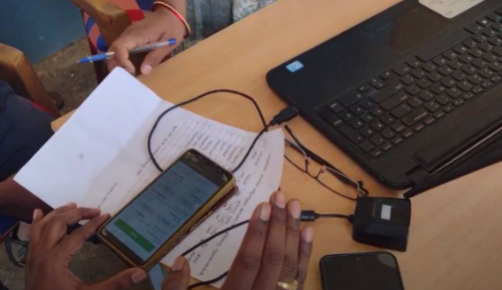
Building consumer confidence in water for a future with less plastic
THE QUESTION
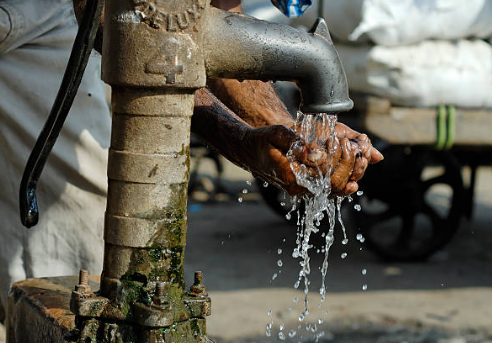
Can sharing data about public water filtration systems build trust in the water supply and reduce the use of single-use plastic bottles?
LOCATION: India
SECTOR: Infrastructure and Energy
TECH: Internet of Things
TIMELINE: September 2024 - Present
PIONEER: James Godber
PARTNERS: TBC
The Challenge
Bengaluru depends on water from the river Cauvery, but long dry spells are making this harder to rely on. To keep water flowing, more groundwater is being used, and tanker trucks move water around the city—an expensive and unsustainable solution.
The city has several public water dispensaries run by the government, which could help reduce this pressure. But many people don’t trust the filters. They worry about cleanliness and safety, so they avoid using these dispensaries. Many people refuse to drink filtered water, even when eating in popular restaurants. Instead, they turn to single-use plastic water bottles. India already produces nearly 4,000 tonnes of PET plastic waste every day, and this number is growing by 27% each year.
Even people with reusable bottles face a challenge: there aren’t enough places to refill them, and many homes don’t have suitable water purification systems (such as UV or reverse osmosis). Without trust in public water, breaking the habit of bottled water seems impossible. But what if trust could be rebuilt?
The Idea
What if you could check when a water filter was last cleaned or how much water it had been used for? Making this information easy to access could help people trust public water again.
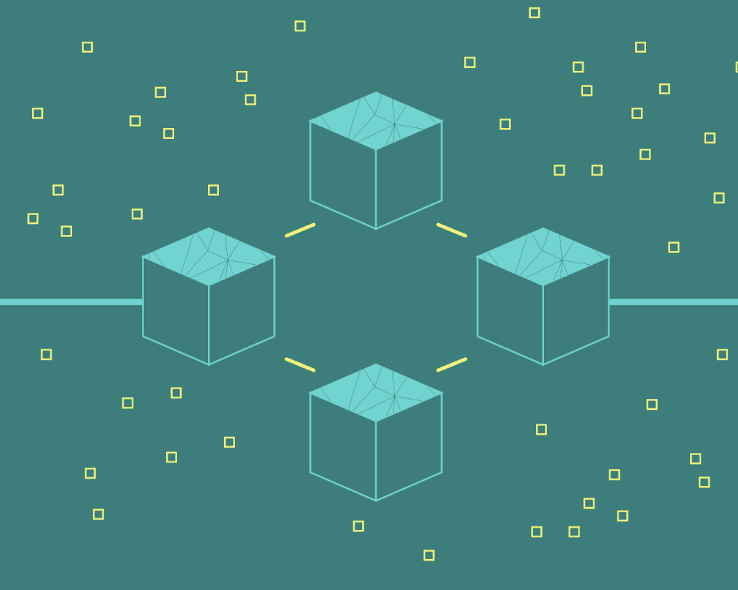
This pilot will test the idea by connecting public water dispensaries to a database. A simple app will show information like filter maintenance, service history and water usage. Each filter will have a unique ID so people can check its status on a GIS-enabled map or by scanning a QR code. To make the data reliable, it could even be secured using blockchain technology.
The pilot will start small, testing a few dispensaries to see how people respond. If it works, the benefits could be big:
Less plastic waste: Fewer single-use bottles polluting the environment.
Healthier communities: Safer drinking water and fewer illnesses.
Energy and resource savings: A more efficient water supply for the city.
Cost savings: Lower costs for both the city and residents.
With better information, Bengaluru can make its public water system more trusted, sustainable, and widely used—helping the city and the planet at the same time.
Our learnings and stories so far
This pilot hasn’t started to publish yet, but there are plenty of other blogs to read below. Check back soon!
Around the world, people are looking forward to different celebrations to mark the end of the year. We’ve been counting down the days in December with a list of films to settle down to watch, to remind your brain what’s possible when imagination, innovation and frontier technologies collide.
Despite growing confidence in AI, there’s more appetite than ever to experiment with and learn about it in safe, low-risk ways. Here are three ways we've been intentionally creating space to play with AI.
Can banana-fibre paper reduce nematode-related losses in white yam production in northern Ghana? Our two discovery reports outline the promises of a novel nature-based solution and the practical steps towards real-world adoption.
What happens when climate-driven forest fires outpace the capacity of existing fire detection and response mechanisms? Our pilot in Pakistan looked at how AI can enable early-warning systems for forest fires. Read the findings here.
Tackling the illegal wildlife trade is made harder by the limited tools to accurately identify species and determine their origin. Our MinION pilot in Colombia looked at portable DNA sequencing for better wildlife protection.
Gaps in WASH asset data mean that broken water points often go undetected, disproportionately affecting remote and marginalised communities. This pilot looked at how AI-assisted validation could strengthen oversight and ensure WASH infrastructure issues are addressed before they escalate.
Rapid digitisation of local health systems risks leaving behind those most in need of services. This report examines how practical digital features can improve visibility of vulnerable patients and support more equitable outreach.
Each month we take one global critical challenge and explore what’s happening on the frontier of innovation. This month we're On the Frontier of Biodiversity Data.
Driven by the rise of AI tools and the explosion of the global datasphere, governments are facing a rapid shift in how data is created and used. This blog examines the new skills and organisational changes needed for governments to use AI for data analysis responsibly and effectively.
The tiny tweaks, big-time losses and moments that lead to better solutions for those who need them most.
Four years ago, we wrote about failure as something to minimise. Today, we celebrate it as our most valuable asset.
We are now accepting grant applications from innovators who are developing tech solutions to unlock adaptation finance and strengthen MSME resilience in Viet Nam and the Philippines. Click here for more.
Can carbon markets really fund land restoration in the Sahel, or are we chasing unicorns? Our Drylands pilot uncovered the hurdles, opportunities, and tech innovations shaping this critical question.
Explore related pilots
Curious about our work on other pilot ideas in India and the South Asia region? Click below to explore our portfolio 👇🏽
Can we use technologies to detect environmentally damaging activities and help hold governments accountable?
Can IoT technology efficiently manage resources (water, air) and waste in real time?
Can conventional plastic production facilities be retrofitted to produce bioplastics?
Can AI tools be used to improve the quality of data collected and stored within Nepal’s national management information system – NWASH - for asset management of WASH infrastructure and planning and delivery of WASH projects?
Can geospatial data on climate change scenarios adequately inform community planning on activities that aim to support the local environment?
Can drones be effectively embedded into Nepal’s health system to deliver life-saving medication and vaccines to rural areas?
Can an AI-enabled fire detection system prevent wildfires through machine-learning and quickly notify authorities when a fire is detected?
Can blockchain technology improve the land records system and service delivery, while unlocking greater investments?
Can a distributed manufacturing ecosystem that aggregates PPE demand from the field and fulfills it through hyper-localised manufacturing deliver PPE to frontline healthcare workers in a quick and efficient manner?
Can Artificial Intelligence strengthen the supply chain of the Public Distribution System in India to address food insecurity?
Can drones improve infrastructure management and monitoring in rural India?
Can distributed ledger technology help to improve the transparency of the humanitarian supply chain, allowing for more responsive management of the aid system?
Could localised 3D Printing technologies be transformative in a post-disaster context?
The Frontier Tech Hub works with UK Foreign, Commonwealth and Development Office (FCDO) staff and global partners to understand the potential for innovative tech in the development context, and then test and scale their ideas.

APPLICATIONS OPEN: We’re looking for a strategic advisor that can help the FOUND pilot, supported by the Frontier Tech Hub, move away from early-stage thinking towards questions of impact, adoption, sustainability and influence.