
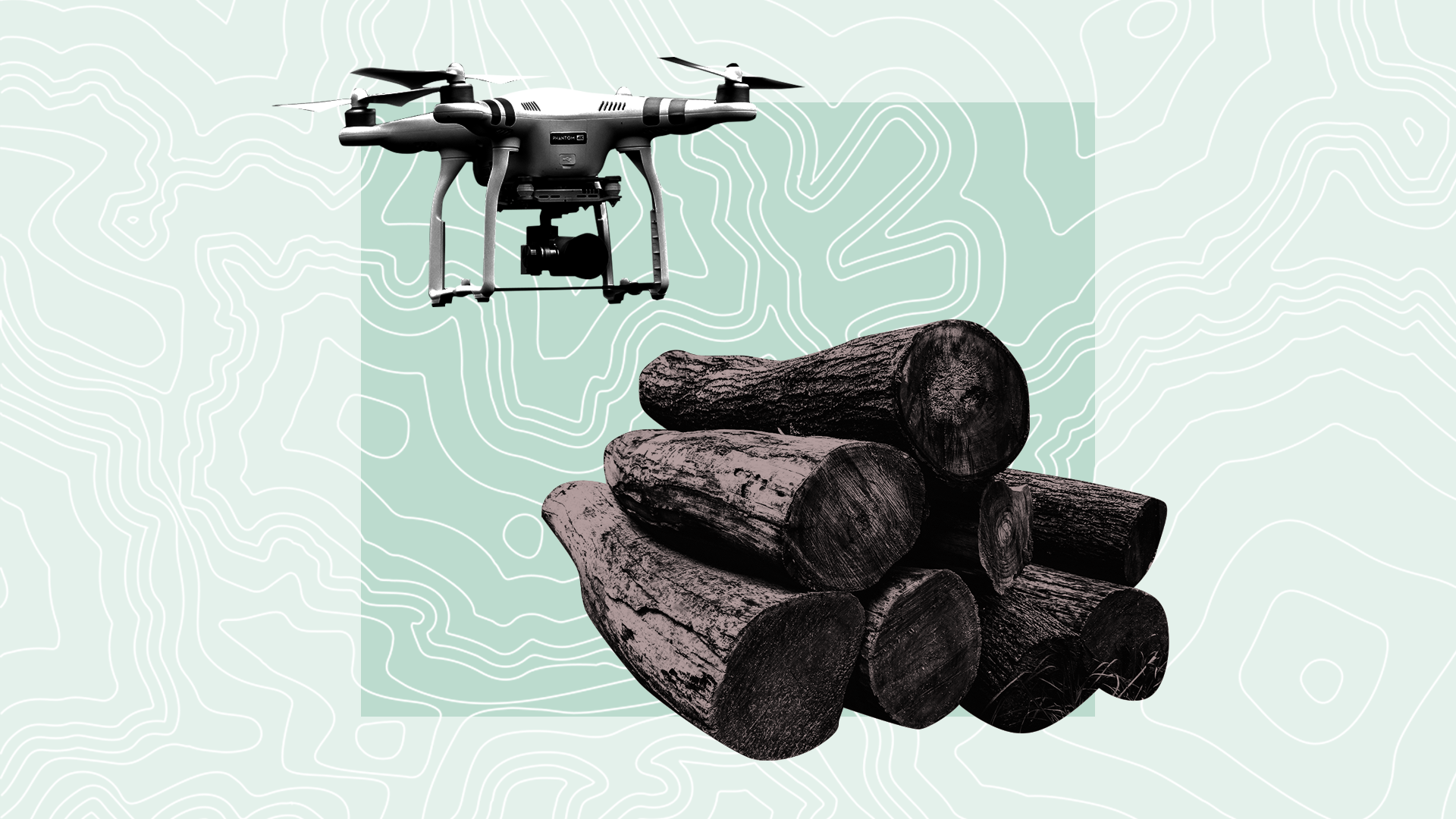
Can drone-based, remote sensing create a reforestation value chain in Sierra Leone?
The original spark for what eventually became Project Sapling came to Christina Toepell when she was on holiday in the north east of Sierra Leone.

Unleashing Change through Individual Effort in Community-Based Flood Early Warning System: A Case Study of Parbati Gurung
In the early morning of December, amidst the sunlit mid-hills of the Eastern Himalayas, chilling northerly wind gust through the Karnali River. Parbati Gurung unlocks the door to a flood monitoring station.

Transforming Sierra Leone’s Landscape: A Community Tree Planting Event Powered by Mobile App Geotagging
Explore learnings from Project Sapling’s recent planting event.

Investing In New Forests? — How to prove trees have actually been planted.
Read more about Project Sapling’s field trial.

Humanitarian aid deduplication using blockchain technology
This post captures learning from the fourth sprint of our pilot, “De-duplicating aid to enhance the impact of humanitarian assistance”.

An update on our first sprint: Integrating satellite and ground big data to improve cocoa production
This post captures learning from the first sprint of our pilot — ‘Integrating satellite and ground data to improve transparency to cocoa value chain’.

Can sensor technologies help to safeguard the future of beekeeping in South Africa?
This post captures learning from the first Sprint of our pilot — ‘Harnessing sensor technologies to improve beekeeping productivity in South Africa’.

Could access to real-time data enable smarter targeting of health and social services in the Philippines?
By her own admission, Liz Bautista is a bit of a geek. Early in her career, she had taken supplemental courses on robotics, coding and data analytics simply because she was interested in how those technologies might supplement her interests in governance, public policy and development.

Can big data analytics support local governments in Nepal to prepare communities against climate and non-climate shocks?
In April of 2015 Nepal was affected by a large earthquake that killed almost 9,000 people and injured around 22,000 more.

Project EmpatIA: Local Impact, Global Reach
Explore learnings from our pilot, ‘EmpatIA — AI to enhance healthcare in remote areas of Peru'.
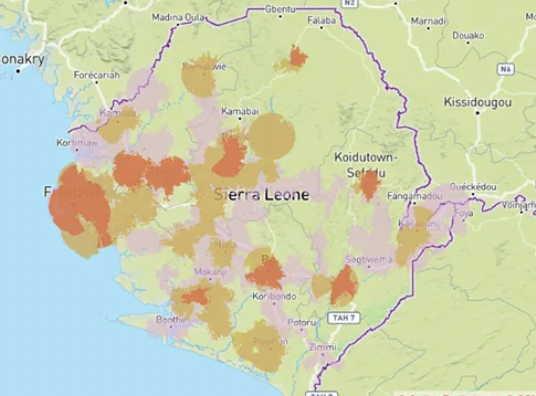
Determining Digital Literacy for Reforestation in the Mansonia Community, Sierra Leone
Explore learnings from the second sprint of our pilot, Project Sapling

Blockchain-based deduplication: Towards a standardized data management practice
This post captures learning from the third sprint of our pilot, “De-duplicating aid to enhance the impact of humanitarian assistance”.

Drone Mapping UK Cornwall On The Way To Africa
Explore key learnings from our pilot, Project Sapling.

Project EmpatIA Starts: Peru
Explore learnings from our pilot, ‘EmpatIA — AI to enhance healthcare in remote areas of Peru'.


ELEK TEY Sprint Two Learnings
This post captures learning from the second sprint of our pilot — ELEK TEY, Electrifying Water Transport for Better Livelihoods.

Can you cost-effectively track soap?
This blog outlines learnings from our pilot — ‘Smart geo-seals to track delivery of humanitarian aid’

How virtual and augmented reality could provide an empathy tool to disguise victims of CSRV and increase levels of justice
This could protect identities by replacing blurred faces with life-like avatars. The possibilities are broad. And these strands could all pull together to shift the power balance and offer victims a genuinely safe and possible route to justice.
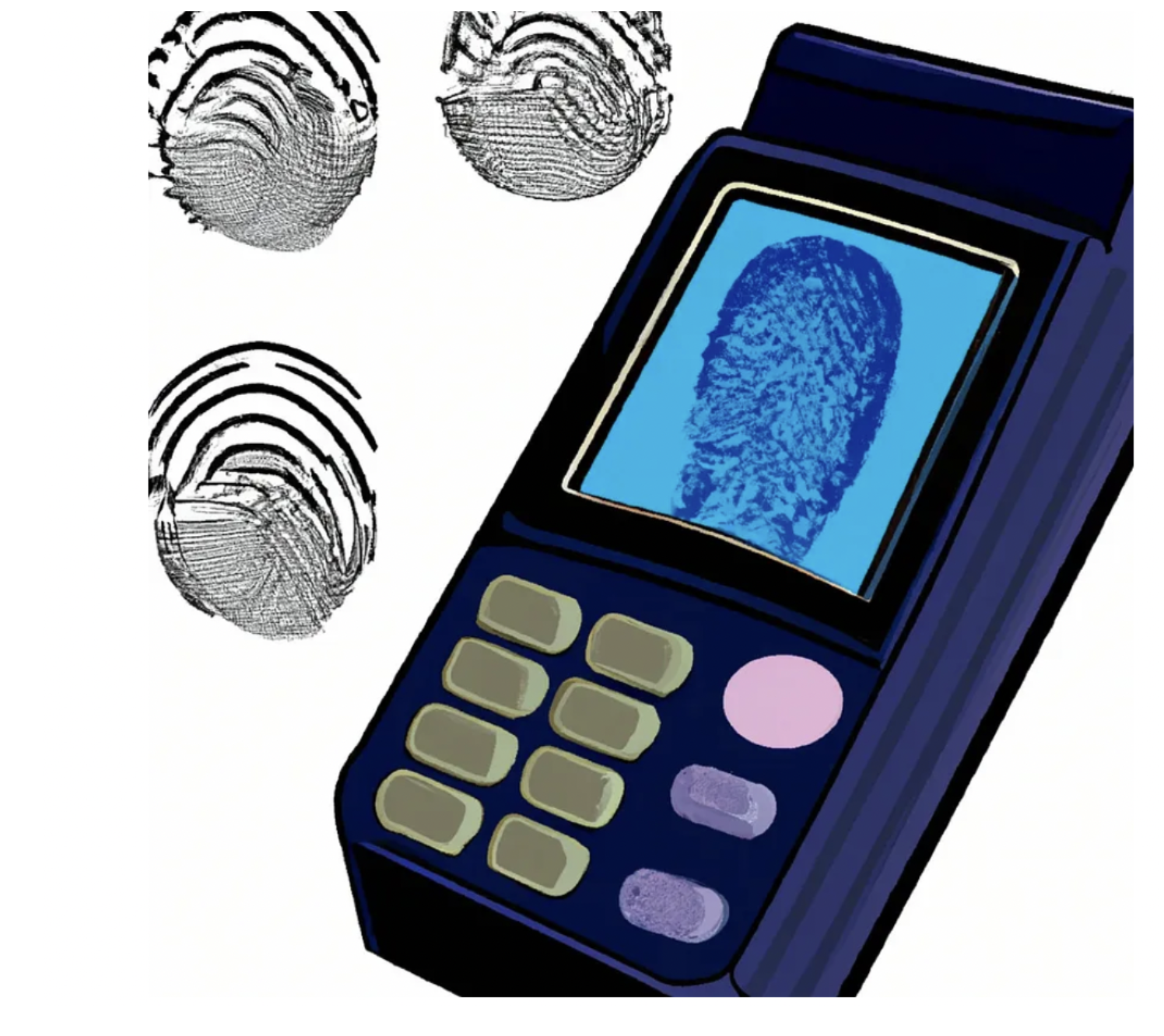
(3/3) Deep dive into beneficiary de-duplication in the Nigerian context: Use of biometrics
This is post three of three that captures learning from the second sprint of our pilot, “De-duplicating aid to enhance the impact of humanitarian assistance”.

(2/3) Deep dive into beneficiary de-duplication in the Nigerian context: Compliance with data protection laws
This is post two of three that captures learning from the second sprint of our pilot, “De-duplicating aid to enhance the impact of humanitarian assistance”.