

Fieldtrip to the Future
What forces might shape tomorrow's cities?
Picture your favourite city. Take a moment to really think about it.
Now, let’s rewind 20 years to 2005. Imagine what that city looked like back then.
Ask yourself: What’s happening in this city today that would have been unimaginable in 2005?
For example, consider how remote work and cashless payments have changed how people in cities live.
In Kenya, who would have guessed that M-Pesa, which launched just two years after 2005, would go on to transform the way people move, pay, and live in a city?
Or think about Paris: in 2005, it would have been difficult to argue that the city had a ‘cycling culture’. Yet, in a very short period of time, it became a cycling paradise, with the number of cycling routes doubling between 2022 and 2023.
These examples show that we often miss the trends that most shape the future, including the future of cities. When we imagine what’s ahead, we tend to focus on high-tech, sci-fi visions, while overlooking the social and cultural shifts that often have a much greater impact on how urban spaces actually change.
At the same time, as people’s lives in cities change, the cities themselves will evolve as well. For example, in Sub-Saharan Africa, 70% of the buildings and infrastructure needed by 2040 have yet to be built. This presents a unique opportunity to reimagine how cities might function and feel.
At the Frontier Tech Hub, we use futures and foresight methods to create space for more imaginative and strategic thinking about what might lie ahead. The challenge lies not in predicting how cities will change - which is practically impossible - but in exploring different possibilities for the cities of the future. Exploring these possible futures help us surface how cities could be different, consider the implications of particular developments, and make better-informed decisions today.
We applied this approach by exploring the future of cities, using Nairobi as a case study.

Nairobi 2045: a field trip to the future
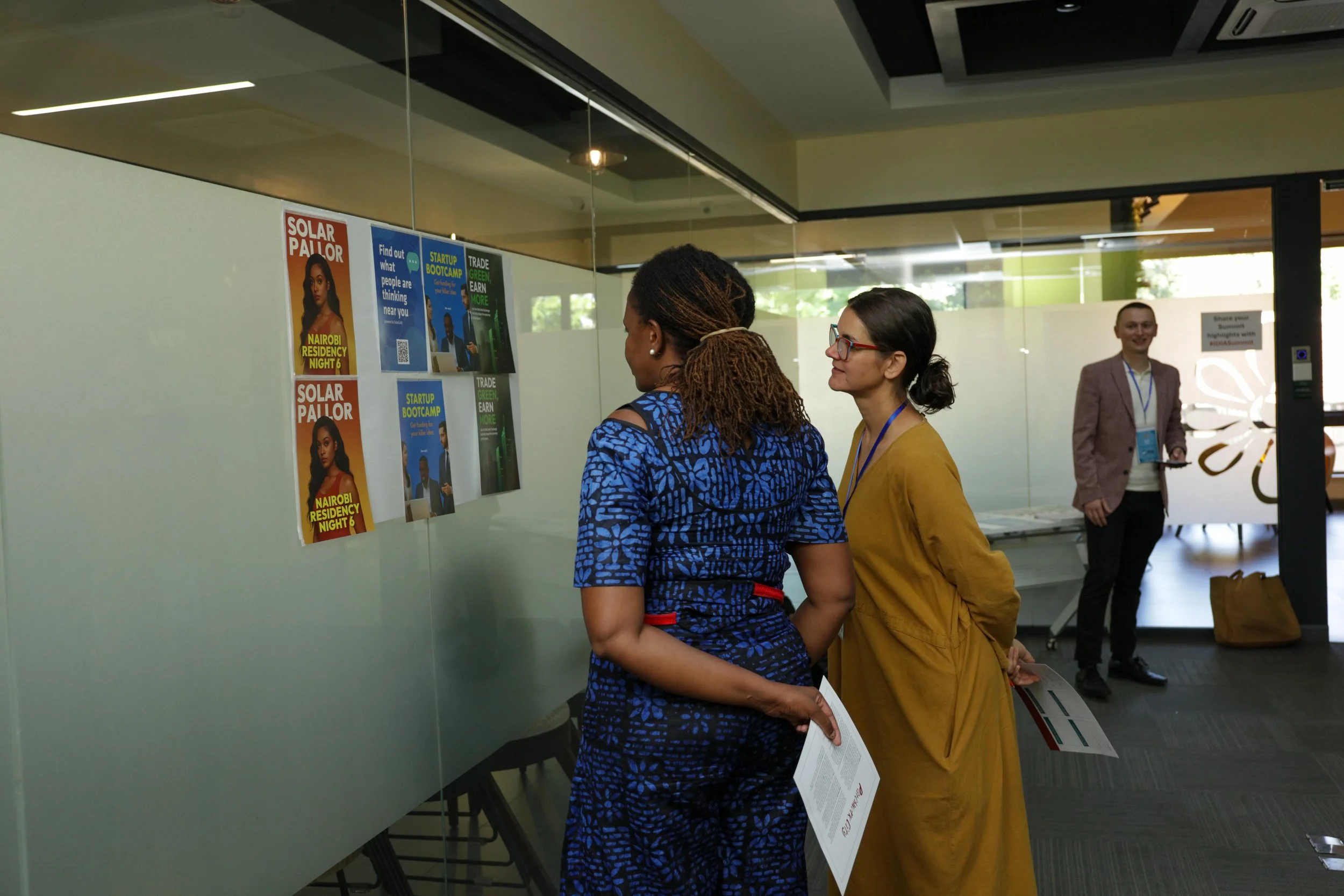
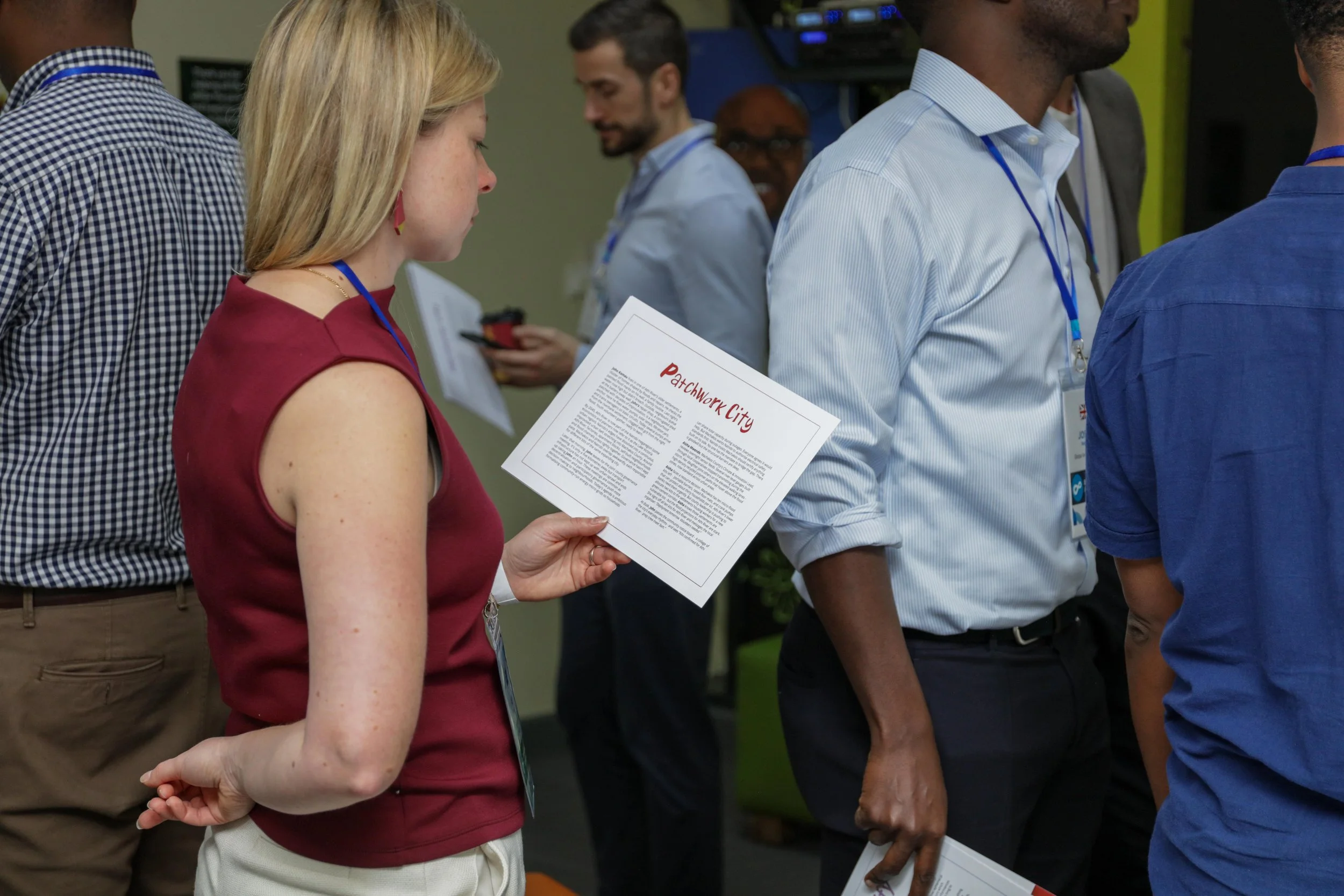
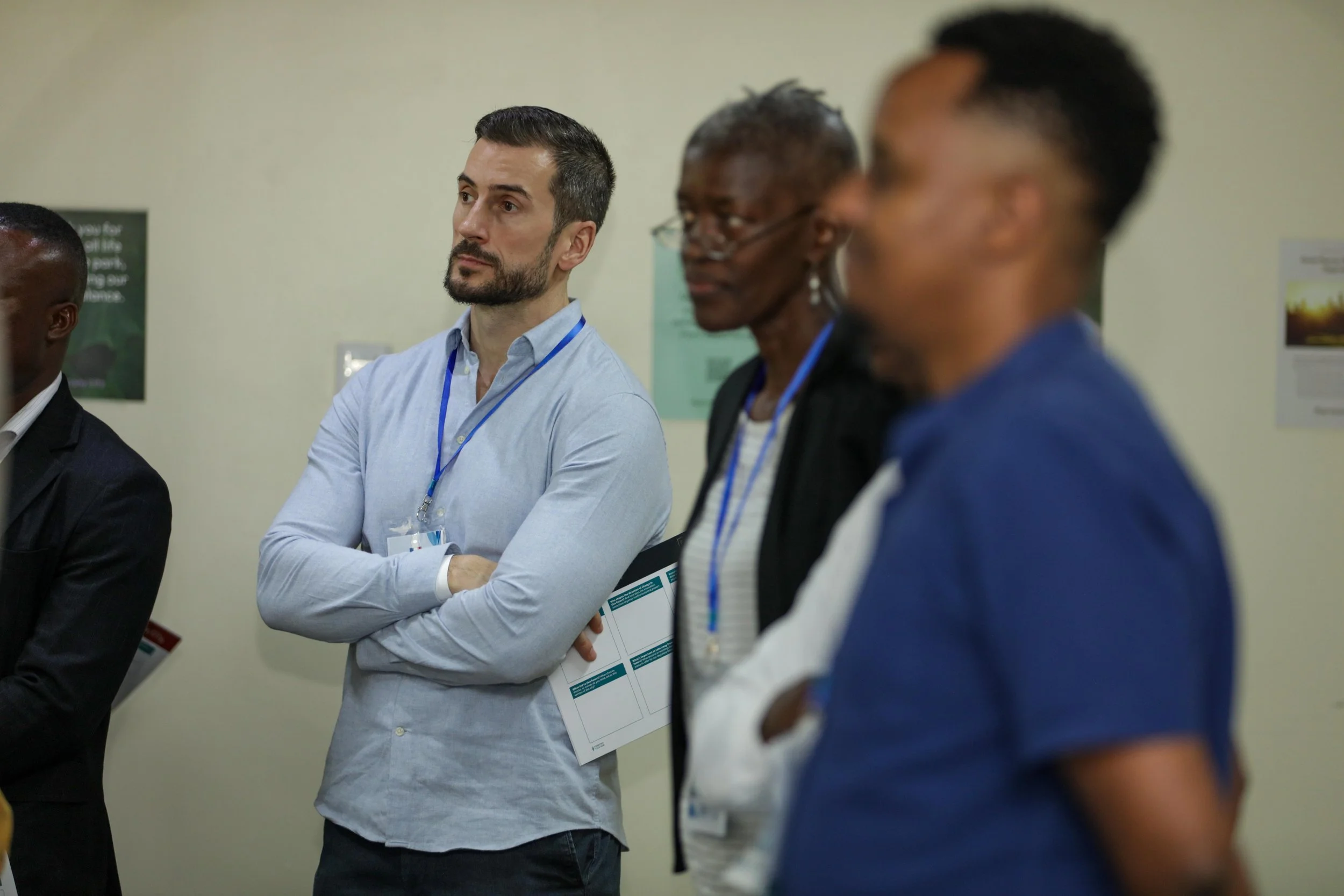
In 2025, we collaborated with the International Development Innovation Alliance (IDIA) to run a workshop at their Global Summit, using immersive activities to help decision-makers imagine the future of cities and make more informed choices about where international development innovation can have the greatest impact.
We weren’t trying to predict what 2045 will look like. Instead, we used proven foresighting methods that have been adopted by other parts of the UK Government to widen what we consider possible, explore the implications of different kinds of change (e.g. social, technological, environmental), and help people act towards futures that match their collective hopes and aspirations.
The work culminated in an immersive workshop, a "Fieldtrip to the Future", where IDIA members put on their metaphorical backpacks and visited three scenarios from the year 2045.
The scenarios were informed by research into global urban trends, which helped us come up with 20 key drivers. The drivers are underlying forces that will impact urban futures, particularly across Sub-Saharan Africa.
Now, choose your future…
Working with fictional, imagined scenarios can help you explore the implications of emerging trends and their underlying drivers. Rather than offering predictions or recommendations, these act as provocations, challenging conventional thinking and sparking innovative, forward-looking strategies.
Click on one of the three options below to transport yourself to the year 2045, where things may look, for better or for worse, a lot different.



Introducing the Driver Cards
We identified several drivers of change, underlying forces that will play a critical role in the future of cities.
Keeping an eye on these drivers will be essential to help prepare for what lies ahead, so we’ve created a set of cards to help people think them through.
How to use the cards:
These cards are for anyone wanting to explore the forces that will shape urban futures. Whether you're a planner, strategist, or decision-maker, going through the different steps will help you spot potential relationships between the drivers and consider key areas to focus on.
Click “Start Selecting” below to begin.