
Nairobi 2045: a field trip to the future




Naomi leaves the small flat she still shares with her parents on the outskirts of Opportunity City. Nairobi has become the region’s exception - a magnet for capital, talent, and ambition at a scale none of its neighbours can match. The sky is full of cranes, the ground full of promise, and yet the speed of it all feels increasingly hard for her to keep up with.
On her way to the bus, she passes the mural her mother painted years ago, its colours fading beneath the dust kicked up from a new construction site. Her parents raised her in this same neighbourhood, back when artists could stitch together small lives from local gigs and community spaces. Today those spaces are harder to find. Rents have pushed most people out, and every few weeks new families arrive from drought-stricken counties or from across the borders, drawn to a city that still feels like one of the few places where progress is possible.
At her office tower, Naomi starts her day reviewing biosignature dashboards for a leading environmental data company - prestigious, well-funded, and deeply tied to the booming climate-tech economy. Her job is to interpret visualisations, prepare briefs for senior analysts, and attend networking sessions with clients wanting to understand their biocredit performance. Kenya’s leadership in this sector is undeniable, but the prosperity she helps fuel feels distant. Her rent rises faster than her salary, and most months she struggles just to stay afloat. The idea of building her own sustainable tech venture feels increasingly reserved for people with capital, connections, or the time to take risks she can’t afford.
Meanwhile, Opportunity City keeps absorbing more people - young jobseekers, skilled workers, households escaping climate shocks or insecurity from around the region. The city welcomes them, but its infrastructure shows quiet signs of strain: fuller buses, longer queues, appointments harder to secure, and the cost of everything inching upward.
By the time Naomi heads home, the city is glowing. In her neighbourhood, crowds stream toward the new state-of-the-art arena, where global headliner S O L A R P A L L O R is on the sixth night of their week-long residency. As she walks past the venue, she thinks of how her parents once made their living as local creatives - and how rare those paths have become in a city that increasingly looks outward for its culture.
She wonders, as she blends back into the evening rush, whether a city built on opportunity can still be a place where someone like her can make a life, not just a living.

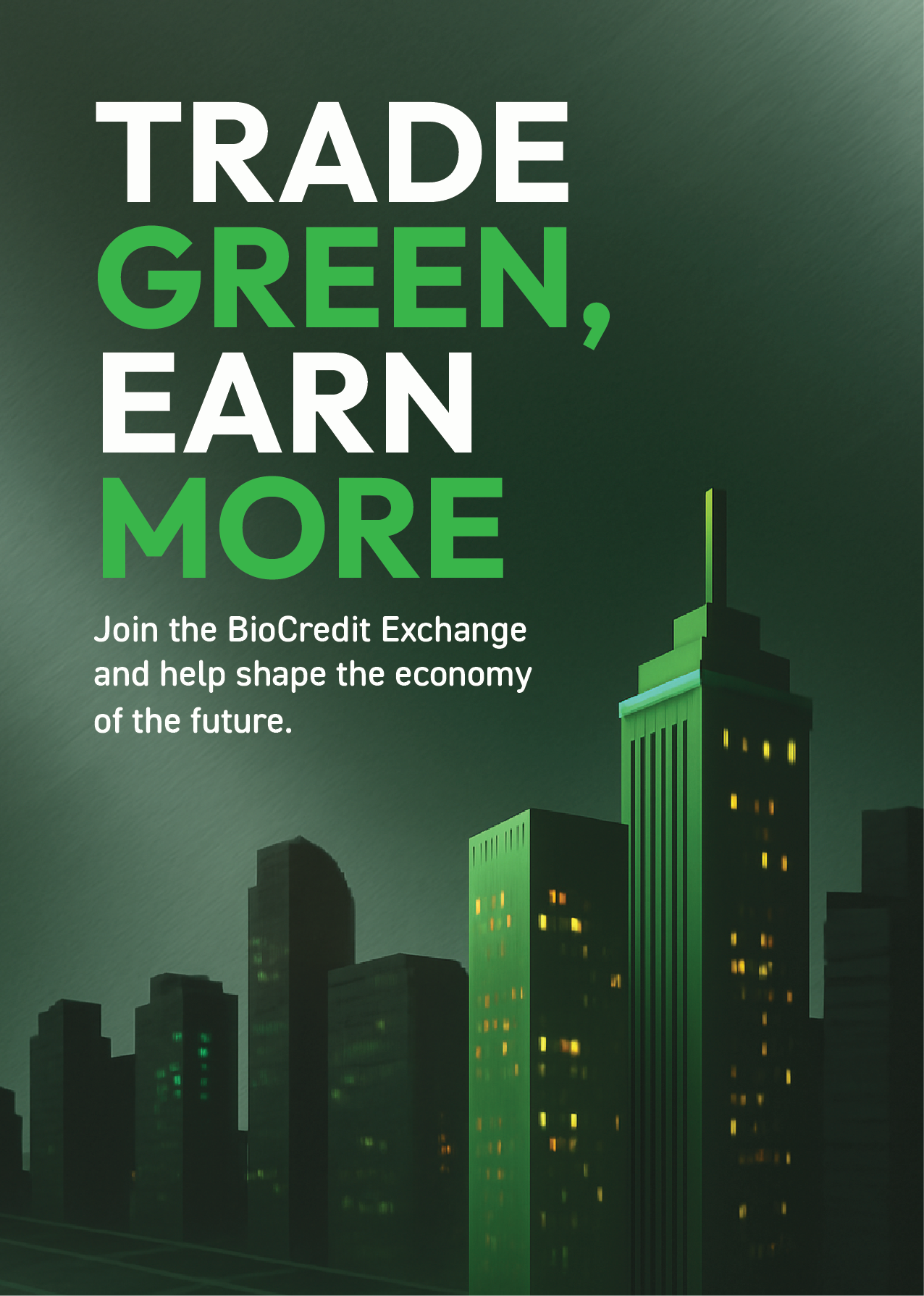
Ask yourself the following questions about Opportunity City:
What forces drove this version of the city? What key economic, political, or global trends over the past 20 years most likely produced this future?
Who benefits from this growth and who doesn’t? Where does prosperity feel widely shared, and where does it remain out of reach?
What kinds of innovation thrive here? Which technologies, business models, or policies seem to succeed in this environment and which struggle to gain a foothold?
What risks come with rapid success? What tensions or vulnerabilities emerge when innovation and growth outpace affordability, inclusion, or public infrastructure?
You’ve chosen Opportunity City. This is one of three Urban Futures scenarios exploring how Nairobi could evolve by 2045 - Click below to choose another scenario.